
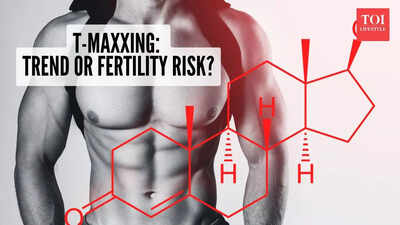
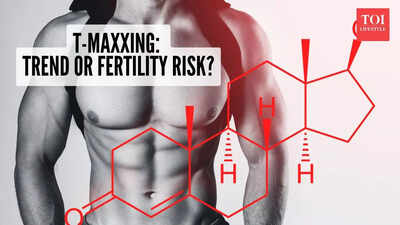
Across gyms, podcasts, and social media feeds, a new word keeps popping up: T-maxxing. It sounds scientific and powerful. The idea is simple, push testosterone levels as high as possible to gain muscle, confidence, and energy. But behind the bold claims sits a quieter question that matters to many men: could this trend harm fertility in the long run?
What exactly is T-maxxing?
T-maxxing is not a medical term. It is a lifestyle trend that focuses on raising testosterone through supplements, intense workouts, special diets, and sometimes hormone drugs. Some versions stay natural, like improving sleep or lifting weights. Others cross into risky territory, such as taking testosterone injections or unregulated pills without medical advice.The problem begins when all methods are treated as equal. They are not.
Why testosterone feels like the “master hormone”
Testosterone supports muscle growth, bone strength, mood, and sex drive. Levels peak in early adulthood and slowly decline with age. This natural drop has made many men anxious about losing strength or vitality. T-maxxing taps into that fear and promises control over ageing, even when the body is not asking for intervention.More hormones, however, does not always mean better health.

When boosting testosterone backfires on sperm
The body follows a feedback system. When extra testosterone enters from outside, the brain senses enough hormone and tells the testes to slow down. This reduces sperm production. Doctors have seen this effect clearly in men using testosterone therapy without medical need.In simple terms, the testes rest when outside testosterone takes over. Over time, this can lead to low sperm count and, in some cases, temporary infertility. This risk is real and well documented.
Supplements and “natural boosters”: Safe or shaky?
Many T-maxxing products claim to be natural and fertility-friendly. Ingredients often include zinc, ashwagandha, or herbal blends. Some may help men with proven deficiencies. But many lack strong evidence and are poorly regulated.The bigger concern is contamination. Study published in BioMed Research International have found that some supplements contain hidden hormones or steroid-like substances. Even small, undisclosed doses can disrupt sperm health over months of use.
Lifestyle changes that help without harming fertility
Not all T-maxxing ideas are harmful. Strength training, good sleep, balanced nutrition, and stress control support normal testosterone levels. These habits also protect sperm quality. The key difference lies in respecting the body’s natural range rather than forcing numbers higher.Men trying to conceive are often advised by fertility specialists to avoid hormone shortcuts and focus on steady, boring habits that work quietly over time.
The emotional side that is left out
T-maxxing is not just about muscles. It is also about identity, pressure, and comparison. Many men feel pushed to “optimise” every part of life. Fertility, however, is not a performance metric. It depends on balance, patience, and long-term health. Chasing quick hormonal wins may cost something deeply personal later.Disclaimer: This article is for general information only. It does not replace medical advice, diagnosis, or treatment. Men concerned about testosterone levels or fertility should consult a qualified healthcare professional before starting supplements or hormone therapy.