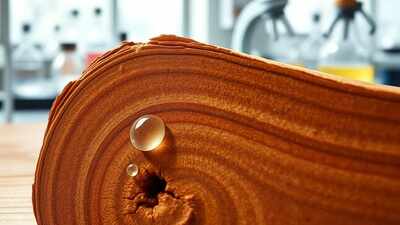
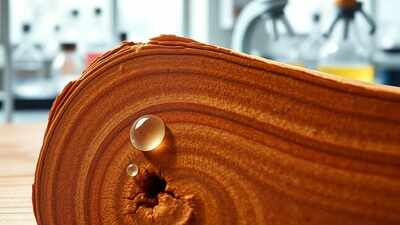
A simple pleasure is the one experienced during the polishing of a mahogany coffee table or a teak dining table on a Sunday, seeing how it shines as it gets darker and brighter while wiping it down, believing that every application of the polish or wax creates another layer of protection. However, if you have ever found yourself scratching your head after cleaning your prized piece of wood only to find it still looks dull or cloudy, you may be shocked to discover that you are not in battle with the dirt but the polish itself.Even after processing it into furniture such as a sideboard or chair, wood is still a living entity that continues to breathe. Wood is a material with an advanced cellular network that allows it to reflect light effectively. However, after using regular polish several times, a microscopic layer of wax and silicon may form between the grains. This layer works against reflection by becoming a light absorber, turning a rich and golden-colored finish into one similar to a layer of plastic.Chemistry behind the dull appearanceThe reduced appearance is not just caused by the surface layer but by the interaction between the chemical composition of the wood and external substances. In the study titled Understanding changes in holocellulose and lignin compounds in wooden structure of veneers, researchers examined the process of ageing in the fundamental chemical compounds in wood. The results indicated that the surface of wood is very reactive to molecular changes, where the accumulation of residues traps pollutants on the wood surface.This principle accounts for the difference in sensation when it comes to the “cloudy” surface. This sensation is described by people as slick or even slightly sticky since the holocellulose and lignin particles are located under the film of the synthetic resin. While this film serves not only to blur the wood texture but also makes it unable to regulate the humidity level. As a result, an artificial microclimate forms, which leads to patchy discolouration and, thus, loss of the glow.Also, they attract dust particles from around the house while being affected by UV radiation. If UV rays shine on the wood covered with cleaning chemicals, they initiate the reactions of polymers that cannot be easily removed, as opposed to regular dust. Consequently, the surface appears aged, with no more hydrophobic protection from a simple glass of water accidentally poured on it.Rejuvenating the wood surface through cleaningIf the surface continues to look dull despite all efforts, it is time to clean it thoroughly and not apply more wax. The goal is to remove the artificial film without damaging the wood underneath. For that purpose, you need to use gentle and pH-neutral cleaning products capable of dissolving oily substances. After removing the film, the surface energy will come back to normal, restoring its natural appearance.
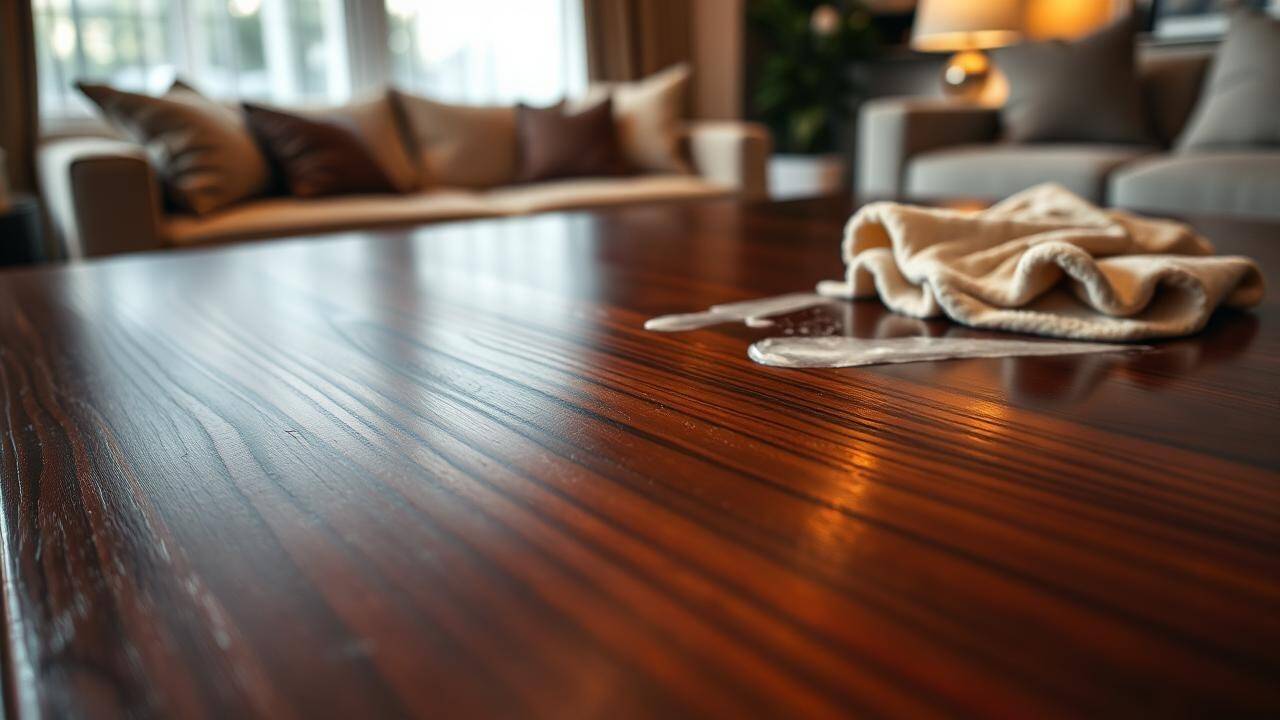
Rejuvenating your furniture requires removing this artificial layer with pH-neutral cleaners, then adopting a ‘less is more’ dusting approach with microfiber cloths.
Selecting the appropriate coating is important to avoid such problems. According to the results of research presented inBuilding and Environment, the chosen coating plays an important role in determining the wood’s energy storage and resistance to environmental conditions. For instance, the application of low-pressure melamine as a coating is effective in providing a barrier against moisture and volatility.For most homeowners, the best way to maintain this restored radiance is through “less is more” maintenance. Instead of reaching for a chemical spray every week, use a dry, lint-free microfiber cloth for routine dusting. This prevents particles from getting trapped in a sticky residue. When a deeper clean is needed, a slightly damp cloth followed immediately by a dry one is often all that is required.Practical wood furniture maintenance, redefinedProper maintenance of wooden furniture does not imply constant polishing. Instead, it involves adopting an approach that emphasises preservation. One way to do this is by conducting a basic test. Gently glide your hand over the furniture and observe whether there is friction. This suggests that there are residues on the furniture, and it is time for a complete overhaul. In selecting cleaning and finishing agents, one should avoid using substandard waxes that contain silicone.Beyond cleaning, you should manage your environment by storing wood pieces away from direct heat sources like vents or humidifiers to prevent the condensation that traps residues and dulls the finish. Finally, for a safer way to polish naturally, use a soft piece of fabric to buff the wood after its initial cleaning; the warmth generated by the friction helps bring out the natural oils within the wood grain, restoring shine without adding more chemicals.Your focus should move from creating a shiny appearance to bringing out the natural grain of the wood furniture. A small change in your approach will respect the science of wood furniture.