
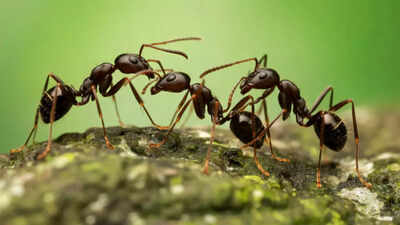
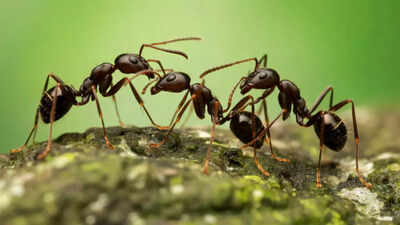
Ants living in the soil of your plants are a problem that most people have experienced; however, these creatures do more than just annoy you, as they can dig tunnels in the soil, disturb the roots, and, in some cases, be a sign of pests such as sap-sucking insects. What makes the situation better is that most cases where ants have taken over plants are easily solved by simple and safe actions, after which there is no longer a need for aggressive pesticides. The guide helps you understand the reasons ants get into pots and how to detect their presence and gives you some practical, low-risk measures to solve your problem now (from repotting to natural baits and barriers). Furthermore, it outlines the scientific methods for efficient ant control and provides you with instructions so that you can defend your plants without harming useful insects or pets.
Ants in plant soil: Safe and effective ways to remove them without chemicals
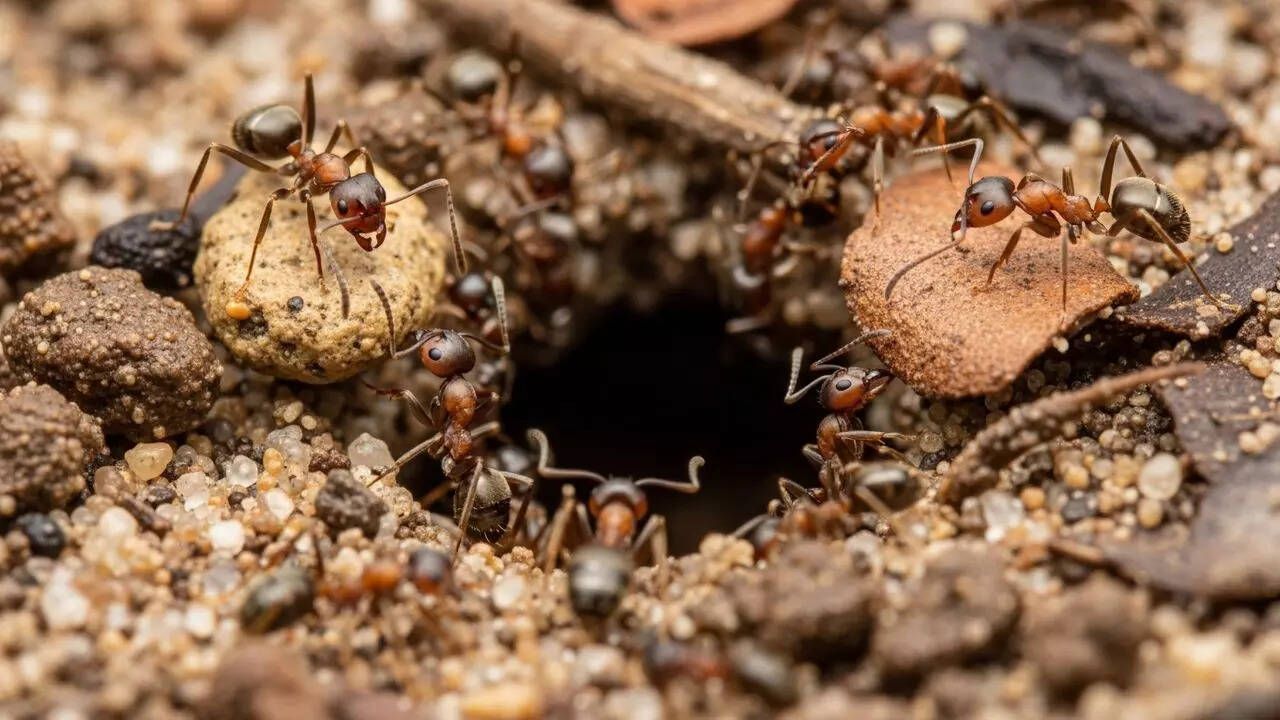
According to the study Control of pest ants by pathogenic fungi: state of the art published on PubMed, it sheds light on the different biological methods that can be used in the control of pest ant populations in gardens and agricultural areas. The study explains how these methods can weaken the ant colonies by causing them not to survive or reproduce too much, hence lessening the use of chemical insecticides. The researchers point out that these sustainable and less harmful ways are a great alternative to the use of chemicals in the surroundings of plants and soil, where pesticides might kill the good organisms, degrade the soil, and pollute the environment.
Before you start, check for these signs
- Visible ants using trails or tunnels in the soil of the pot
- Very small ants walking on the soil surface or the plant stems
- The presence of aphids, mealybugs, or honeydew-producing pests (ants farm these)
- Plants that are damaged or under stress and show wilting or slow growth
Practical ways to get rid of ants in plant soil
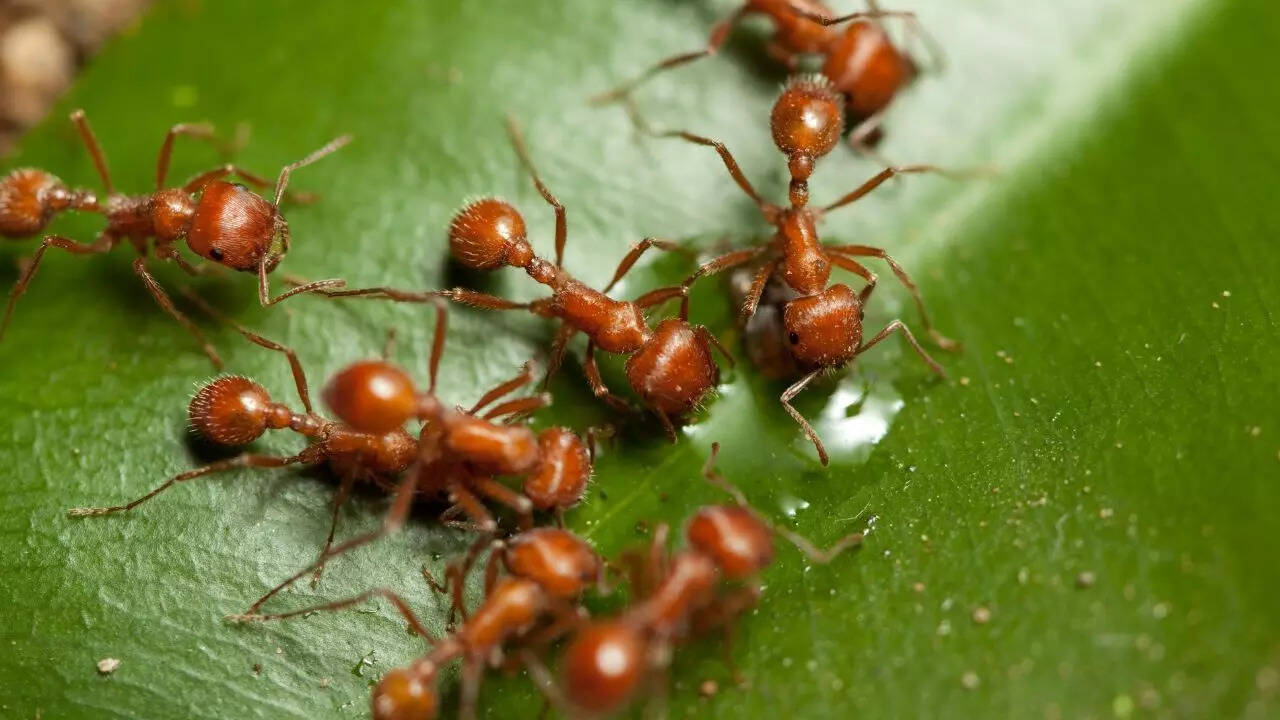
1. Remove and inspect the plantCarefully take the plant out of its pot. Throw the old soil off and check the roots for bugs. Change the potting mix with a fresh, sterile mix so that nests and eggs can be removed.2. Repot with fresh soilMost of the time, the fastest solution is repotting a plant in fresh soil. Do the cleaning of the pot properly (hot soapy water), put new potting mix there, and replant. It is a method of both removing the ants’ shelter and the sources of their food.3. Use sugar + boric acid bait (targeted)Prepare a slow-acting bait: one cup of sugar water mixed with one to two teaspoons of boric acid (or 1% boric acid solution). Put a few drops of this mixture on the caps of the bottles near the ant lines, and the ants will carry it to the colony. Do it carefully around pets and children. Finding supported by research that baiting is an efficient, low-impact way of controlling if it is used in the right manner.4. Apply diatomaceous earth (DE)Lightly powder around pot rims and soil surface with the food-grade diatomaceous earth. DE cuts through the insect’s outer shell and eventually kills it by dehydration. It is good for plants and pets if it is used dry and in small amounts. Several scientific reviews point out DE as a potential physical control means for a wide range of arthropod pests.5. Flooding/soaking methodIn case of heavy infestation, the pot can be (if possible, the plant remains in it) completely submerged in a tub of water for 10-15 minutes to force ants to escape from the soil. The extra water should be drained, and the pot should be filled with fresh soil if the ants come back again.6. Natural repellentsImitating the strength of the peppermint, neem, or citrus oil plant, spray a diluted solution around the edge of the pot and not directly on the foliage to keep ants away. Some plant extracts can repel ants from nesting sites, as research reveals.7. Create physical barriersAnts’ climbing can be stopped if sticky tape or petroleum jelly is put around saucers or pot rims. Additionally, there are a couple of other methods, such as elevating pots on stands or placing pots in trays of water (moats) through which ants cannot reach the plants.8. Control “farming” pestsIf ants appear due to aphids and mealybugs, eliminate the pests first (insecticidal soap, neem oil, or manual removal). The removal of honeydew sources will make a place unattractive to ants.9. Seal home entry pointsIf ants are coming indoors from outside, sealing the entrance points, keeping food sealed, and trimming the plants away from the walls will be very helpful in keeping the ants off your pots, as they cut down foraging paths.Final tips and safety notesTest repellents on a small leaf area before you use them.Baits should be kept away from children and pets.Do not use broad-spectrum insecticides in potted plants so as to protect beneficial soil life.In case the ants are still there after you have done the above steps, you may want to seek advice from a local extension service or pest professional.Also read| THIS one cheap item will make even the smelliest shoes smell fresh again