
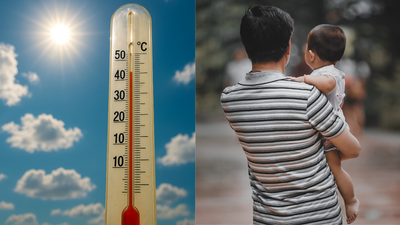
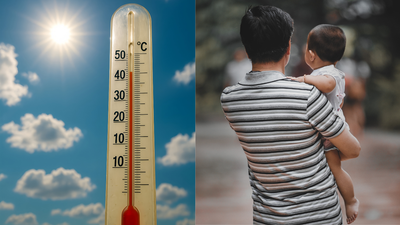
Extreme heat can be difficult for families, particularly where there are young kids at home. Parents may have concerns over their kids getting dehydrated, heat exhaustion, heat stroke, sun safety, drinking enough water, indoor games, and staying cool in high temperatures. With changing climates leading to higher temperatures and greater chances of heat waves, learning ways to survive heat waves for parents has become extremely vital. There are some simple ways that can ensure parents keep themselves safe from the harm that is done by excessive heat during a heat wave. Heat wave tips can prove beneficial for parents in such scenarios.
Why are children more vulnerable during a heatwave
26 May 2026 | 14:25
What’s the one parenting advice you completely disagree with?
Children are especially sensitive to heat disorders since their body cannot control their temperature effectively compared to adults. United Nations Children and Education Fund (UNICEF) states that children have fewer sweat glands and a quicker metabolism, which increases their vulnerability to very hot weather. It can lead to dehydration, heat exhaustion, and heatstroke. World Health Organisation (WHO) claims that heat stress is among the primary causes of weather-related mortality on Earth. Extreme heat may cause numerous health problems. Therefore, according to the WHO, parents should be aware of the necessary steps to ensure their babies’ and children’s safety during warm weather.According to the National Oceanic and Atmospheric Administration,“Never leave children or pets alone in the car even for a few minutes, since temperatures inside can become life-threateningly high very quickly.”
Hydration hacks to prevent dehydration and heat exhaustion
One of the easiest hacks during heatwaves is keeping yourself well-hydrated. As kids get dehydrated fast due to sweating, even when they are not involved in much activity.Make sure that the kids take water regularly at intervals of a few hours instead of waiting till they request one. Consuming water-rich fruits like watermelon, cucumber, strawberries, and oranges can help in maintaining hydration.Dehydration, overheating, heat exhaustion, and heat stroke are among the hazards posed by heatwaves, according to the NHS.Signs to watch out for include:
- Feeling unusually tired
- Feeling dizzy
- Having headaches
- Sweating excessively
- Being irritable
- Feeling nauseous
If any of these occur, ensure that the child moves to a cool place and drinks water.
Smart cooling hacks for keeping children comfortable indoors
Maintaining coolness at home makes a huge difference during hot weather.As per the “Beat the Heat” campaign from the UK Health Security Agency, it is advised to try to cool down indoors as much as possible. It will be effective to close blinds or curtains of south-facing windows during the peak heat of the day to stop rooms from becoming too hot. One can open windows during the night if it becomes cooler outside.Some other ways to stay cool include:
- Using fans to move air around
- Having cool baths or showers
- Clothing children in light clothes
- Making play areas inside that do not face direct sunlight
- Wiping neck and wrists with wet clothes
Babies should not wear extra clothing and must not be left in prams covered in a blanket.
Sun protection and outdoor safety during a heatwave
If outdoors becomes unavoidable, then planning is key. Keep your baby, especially those who are under six months old, away from direct sunshine and out of direct sun exposure during the hours that are considered to be the hottest of the day; this is usually between 11 am and 3 pm.According to WHO, “Avoid direct exposure to the sun at the peak hours; rather look for shade or stay indoors.”Some ways in which you can protect your baby from the sun are:
- Finding shaded areas
- Wearing wide-brimmed hats
- Applying high-factor sunscreen
- Covering your baby with loose, light clothing
- Going out in the early morning and late afternoon
Parents can find the heatwaves challenging, but being prepared goes a long way. Keeping your baby hydrated, making sure that your house stays cool, looking out for signs of heat exhaustion, and being careful with sun exposure can all make the difference between an uncomfortable day and a healthy one.