
Leafy vegetables are among the most frequently consumed ingredients in everyday cooking, yet they remain the hardest to clean effectively. Their delicate layers hold on to soil, fine grit and traces of agricultural residue in ways that a quick rinse often fails to address. As interest in fresh salads, cold blends and minimally cooked greens increases, so does curiosity about practical techniques that ensure cleaner produce without damaging texture or flavour. A single poor washing habit can affect both safety and mouthfeel, which makes the method itself more influential than many home cooks realise. These concerns have brought renewed attention to simple, reliable and scientifically aligned cleaning practices that can be used in any kitchen without specialised tools or solutions.
Why you may not be washing your vegetables the right way
Leafy greens develop through open exposure to soil, irrigation water and windborne particles, so contamination occurs both on the surface and within layered folds. When the leaves are rinsed quickly under running water, only loose debris escapes, while heavier sediment remains in the crevices where water flow is minimal. This compromises hygiene and alters the natural texture of the greens, since even tiny remnants of soil feel coarse when eaten raw. The structural design of lettuce, spinach and herbs allows contaminants to lodge in places hidden from the eye, which is why washing method influences cleanliness far more than washing frequency.
The overall taste of fresh greens is also linked to their texture. Even when the leaves are crisp and vibrant, a small amount of grit can overshadow the intended flavour of a dish. The contrast between delicate leaves and abrasive particles becomes especially noticeable in preparations like salads, juices or chutneys, where the vegetables are consumed raw and untreated. Many consumers assume pesticide or residue concerns are the primary issues, but physical contaminants such as soil and fine sand often cause more immediate sensory discomfort. This makes an effective washing technique an essential step rather than an optional precaution.
How to clean vegetables properly using one bowl of water
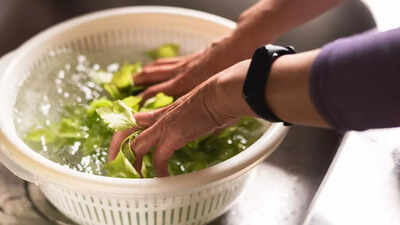
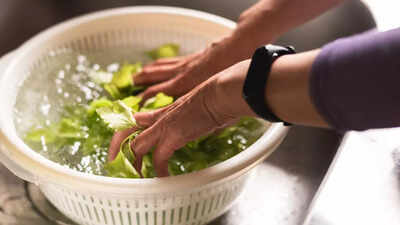
Chef Pankaj Bhadouria demonstrates a method that has gained widespread approval for its simplicity and effectiveness. The process begins by placing the leafy vegetables in a large bowl filled with clean water, giving the leaves enough space to float freely rather than bunch together. As they remain submerged, soil particles naturally sink due to their weight, separating from the lighter vegetable matter. Gentle swirling helps release grit caught between layers, and allowing the greens to sit undisturbed for a short period enhances this separation and gives the water time to settle into every crease. A comparative study published in Foods supports the broader principle that immersion based cleaning often achieves better removal of physical debris and certain residues. Water contact over a longer period increases the chance of dislodging particles that resist brief rinsing and reduces the need for forceful scrubbing. The method is also kinder to tender leaves because it avoids the aggressive friction caused by vigorous washing or prolonged rubbing, both of which can bruise the surface and shorten the vegetable’s shelf life.Once the greens have soaked sufficiently, the key is not to disturb the sediment that has settled at the bottom. Instead of tipping the bowl, the vegetables must be lifted out gently. This creates a clean physical divide between the leaves and the contaminants that have sunk below them. It is a small adjustment in routine, yet it significantly improves cleanliness without adding any extra steps or tools.
Why you shouldn’t drain water and should lift vegetables instead
When the soaking water is drained while the greens remain in the bowl, the movement forces the settled grit to rise and circulate again. This redistributes the very particles the soaking process separated, causing them to resettle on the leaves and undoing much of the cleaning effort. Lifting the greens out helps preserve the separation created during soaking and produces a noticeably cleaner result.Key reasons lifting is better than draining:
- Draining disturbs the settled sediment, pushing grit back onto the leaves.
- Water turbulence causes fine particles to cling again to tender folds and stems.
- Draining compresses leaves at the bottom, trapping dirt between layers.
- Lifting keeps the vegetables surrounded by clean water, leaving impurities behind.
- The method maintains leaf integrity, preventing unnecessary bruising from shifting weight and friction.
Why this washing method improves freshness and flavour too
The soak and lift technique addresses several overlooked problems that influence both the quality and longevity of leafy vegetables. Many of these issues arise from common washing habits that depend on forceful rinsing or repetitive scrubbing, which fail to clean thoroughly and often damage the leaves. Allowing greens to sit in water creates the conditions for hidden contaminants to loosen without pressure or friction, improving flavour, freshness and hygiene in a single step.Additional benefits of the soak and lift method:
- Air pockets trapped between leaf layers escape more easily during soaking, allowing water to reach areas untouched by fast rinsing.
- Tender greens experience less bruising because the method avoids vigorous rubbing that weakens cell structure.
- Unwanted earthy undertones caused by residual soil are reduced, resulting in cleaner, more natural flavour.
- Properly cleaned leaves hold dressings, oils and seasonings more evenly, improving the texture of salads and raw preparations.
- Reduced handling friction helps the greens stay crisp for longer periods, which enhances storage quality.
Also Read | Why food fried in reused oil could expose you to higher cancer risk