
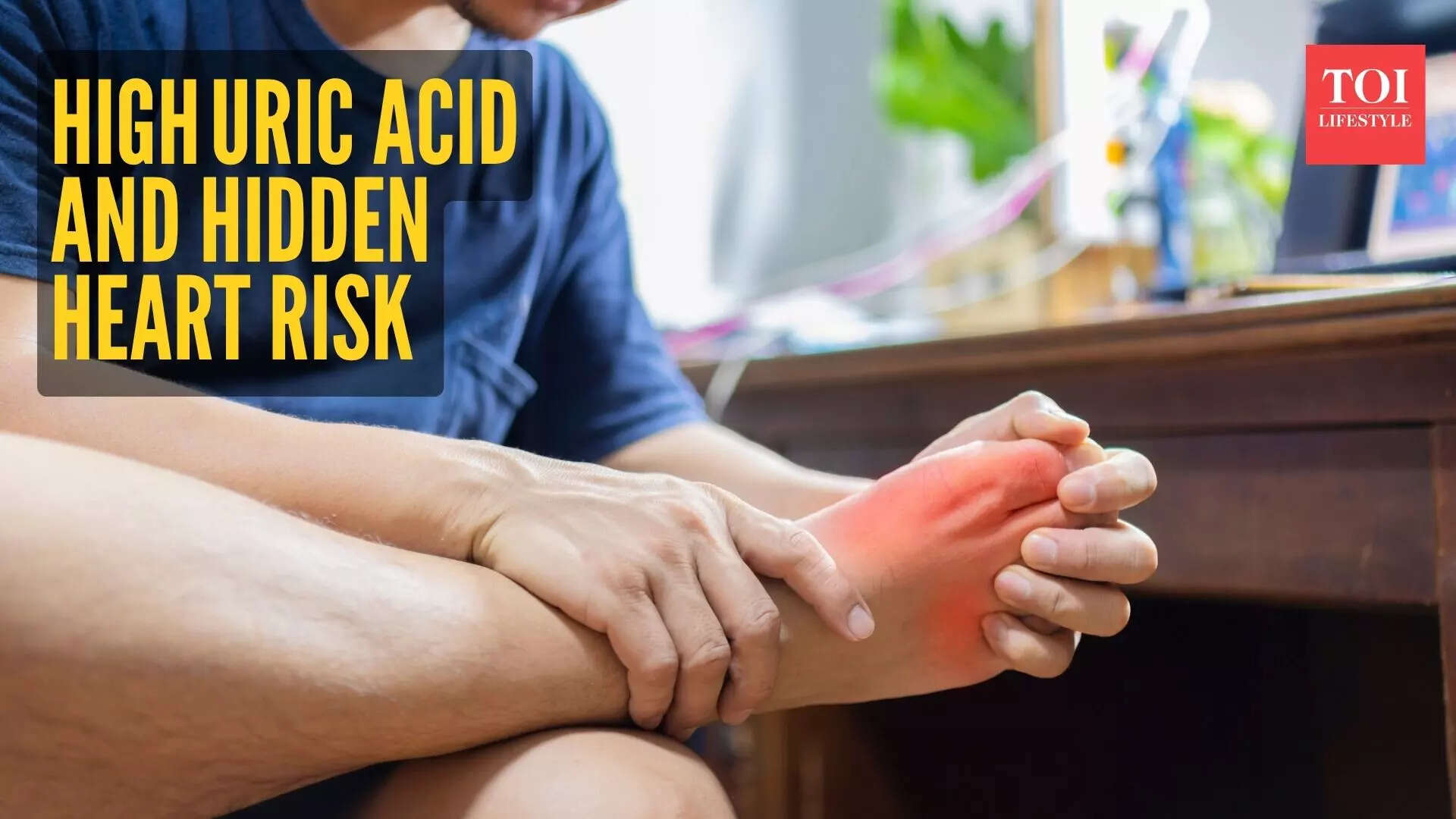
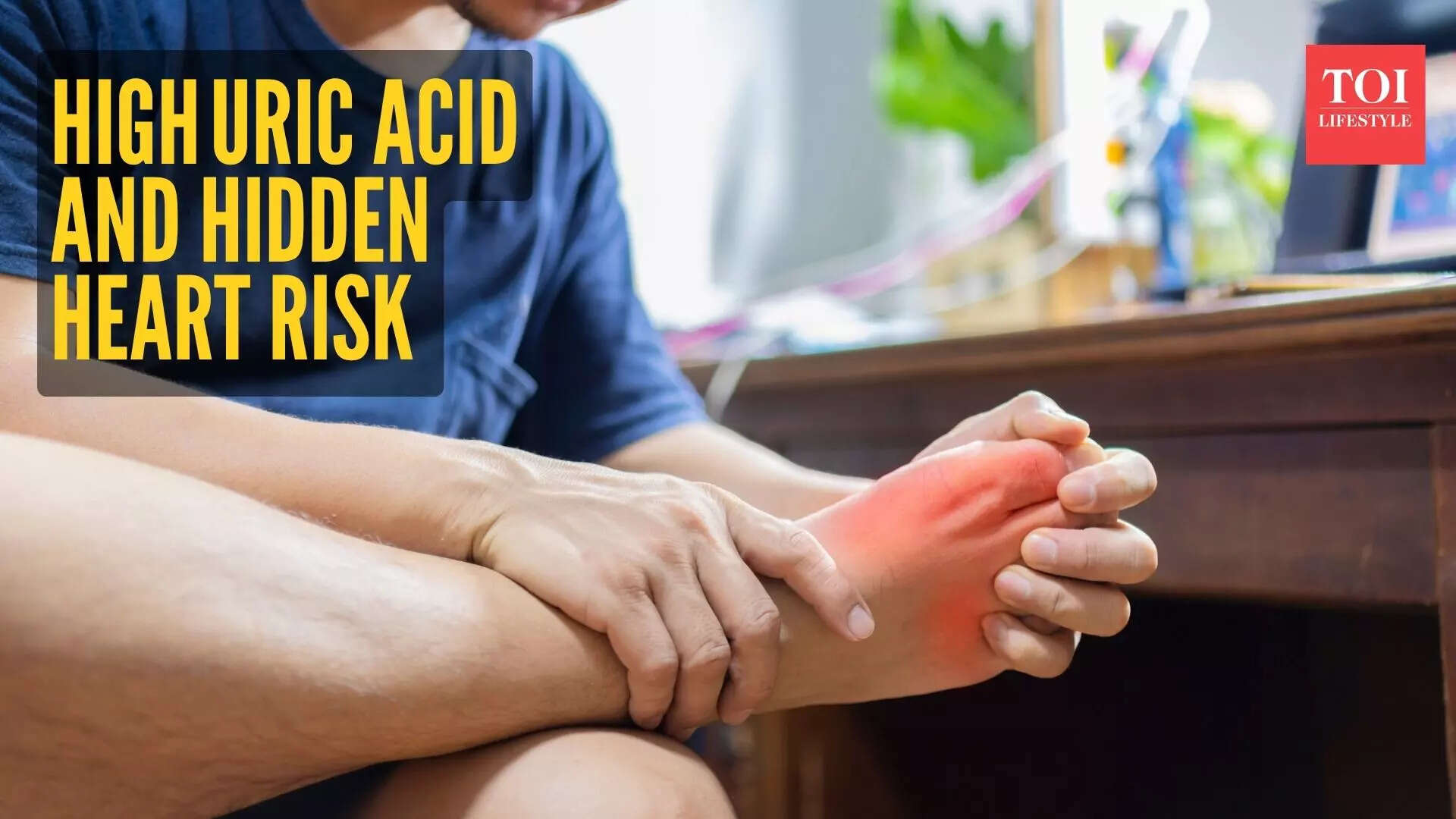
Dr Varun Bansal, consultant cardiac surgeon at Indraprastha Apollo Hospitals, said, over the last few years, we’ve started seeing an alarming rise in uric acid levels among young Indians a trend which was once limited to older adults, what many don’t realize is that uric acid is more than a joint health marker; it’s also a reflection of metabolic imbalance that can quietly damage the heart and blood vessels. Elevated uric acid increases oxidative stress and low-grade inflammation both of which harm the endothelium or the inner lining of arteries, leading to stiffness, hypertension, and a higher risk of heart disease over time. Lifestyle changes are largely driving this pattern. High intake of sugary drinks, refined carbohydrates, red meat, and alcohol coupled with sedentary habits and chronic stress is pushing even individuals in their 20s and 30s into the danger zone. Regular screening of uric acid should be included in preventive health checks, especially for people who are overweight or have a family history of cardiac disease. Early dietary modification adequate fluid intake, limitation of sugar and processed foods, and maintenance of normal body weight significantly lowers uric acid levels and helps protect long-term heart health.Dr Sukriti Bhalla, Senior Consultant & Unit Head (Unit-2)-Cardiology, Aakash Healthcare, explained that a worrying pattern has been observed in the recent few years; it is becoming more common to find high uric acid levels among young Indians. This has been attributed to sedentary lifestyles, processed foods that are high in sugar and red meat, overconsumption of alcohol and lack of hydration. High uric acid levels not only cause gout, but also have a silent, but dramatic contribution to cardiovascular disease. It is a contributor to inflammation, destruction of the linings of blood vessels and heightens the chances of high blood pressure and coronary heart disease. Until long-term cardiac problems are avoided, early lifestyle management is necessary, frequent screening, and medical management because of hyperuricemia.