
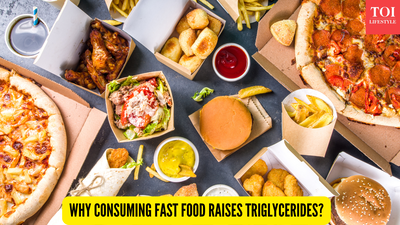
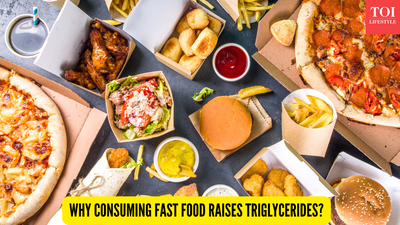
Just a single fast food meal can raise your triglycerides within a short period, sometimes reaching its peak at 3-6 hours after your meal. The short period after meals is known as the post-meal, or postprandial, period and is the time your blood maintains high levels of fat due to your recent meals. Vascular surgeon, Sumit Kapadia with 18 years of experience, shares his take on how a single fast-food item can raise our blood sugar level
What goes on within these 6 hours

As soon as you chew and bite on your burger and fries, the process of digestion commences in your mouth and then further continues with your stomach, but it’s all about the life of triglycerides. As soon as your food passes into your small intestine, your food’s fats get converted into tiny particles known as chylomicrons, which then enter your bloodstream. It might take about 30 minutes to an hour for your blood levels of triglycerides to start rising, and they peak at 3-4 hours.Fast food represents an excellent stimulus for responding in this manner because it frequently occurs with large doses of fat and refined sugar and calorie doses that are beyond what is necessary at that particular point. It has been shown that an individual high-fat meal will provoke an increase of at least 50 percent from initial values with regard to an elevation in plasma triglycerides.
Why fast food hits harder
Fast food
Not all meals affect triglycerides equally. Fast food meals are particularly bad because they are commonly rich in saturated fats, deep-fried oil, refined starch, and sometimes sugar. All these components put a large amount of fatty material into circulation and, with the refined starches, stimulate a greater production of insulin that promotes the use of these fatty molecules for storage instead of utilization.Studies conducted on fast food-style meals have demonstrated an impressive increase in triglycerides and oxidative stress after consumption compared to a healthier meal with equal calories. There are studies with a high-fat test meal indicating an elevation of triglycerides for 6 hours or more, implying your body is stuck in a fed and high-fat state for most of the day.
Six hours later what does it mean

At around 6 hours, a healthy metabolism would have eliminated all but traces of these lipoproteins rich in triglycerides, but for a large number of people, they remain higher compared to fasting levels. It should be noted that a high level at 6 hours not only represents a lab value, as it makes bloodstream more viscid with lipoproteins loaded with fat that may seep into the walls of arteries.Frequent spikes are important, even if your fasting lipid profile appears normal. Clinical trials have shown associations between recurrent postprandial spikes in your triglyceride levels and an increased risk for developing cardiovascular disease, metabolic syndrome, and hypertriglyceridemia, particularly among regular fast food consumption. It means that your metabolic fate in your postprandial period will secretly affect your lifelong cardiovascular and metabolic status.
Who is more vulnerable

A fast food diet will not impact people in an equal manner. Obese people, those with insulin resistance, central obesity, and a family history of problems with lipids are more likely to have a larger and more prolonged increase in triglycerides. Women with abdominal obesity, young adults who have low-quality dietary intake, and people who are not as active physically appear more susceptible to an unfavorable response to dietary fats.On the flip side, regular physical activity can reduce the increase of triglycerides following a fatty meal and improve muscle removal of triglycerides from the bloodstream. Food composition plays a role as well. When fatty meals have balanced components with high-fiber carb and healthier unsaturated fatty acids, then the peak level and duration of triglycerides can be reduced.
How to protect yourself in real life
While realizing that a single food from a fast food restaurant can increase your triglycerides within a short period of time doesn’t mean you can never have it again, it does mean that there will be a direct consequence on your bloodstream with every single decision you make. There are ways, though, that can reduce these consequences—Avoid making fast food a standard regular diet option, especially if you already suffer from high triglyceride levels.
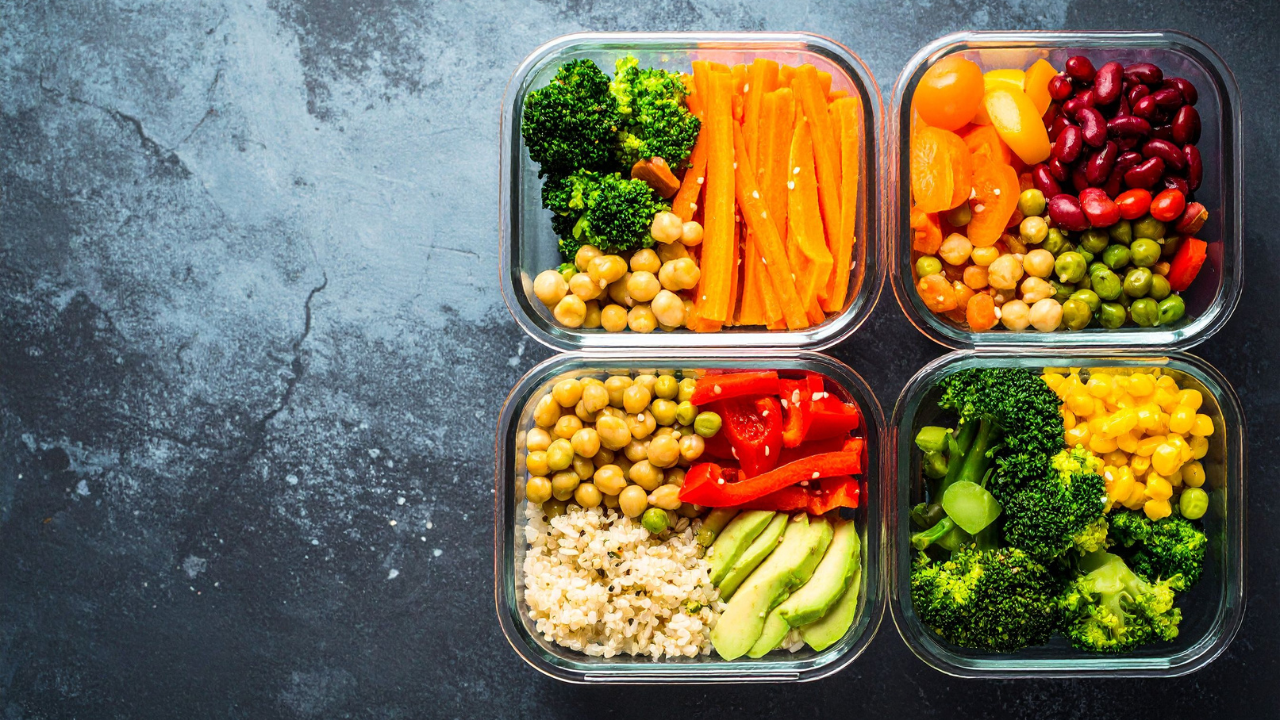
Once you have it, pick smaller portions, decline additional fried dishes, and steer clear of sugary beverages, which will impact your metabolism once again. Prepare your exercise plan after an indulgent meal, like taking an exhilarating walk, so that your muscle cells can effectively utilize the secreted triglycerides. For most days, focus meals on whole grains, veggies, beans, low-fat meats—and healthy fats, which cause a lower and gentler peak in triglycerides. Those first six hours after meals aren’t invisible either. That’s when your bloodstream mirrors what you put on your plate, and it’s when, after months and years, your predictable postprandial spikes of triglycerides can remain gentle or start representing a low-grade daily stress on your arteries and metabolism.