
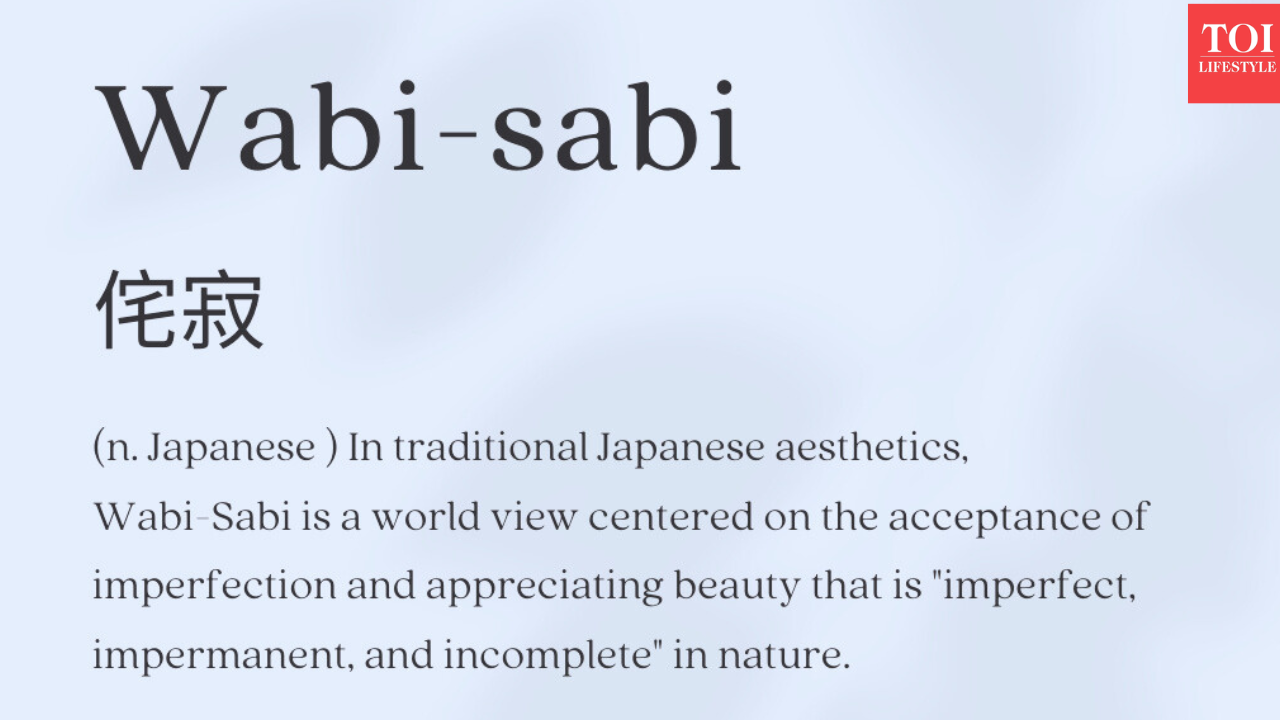
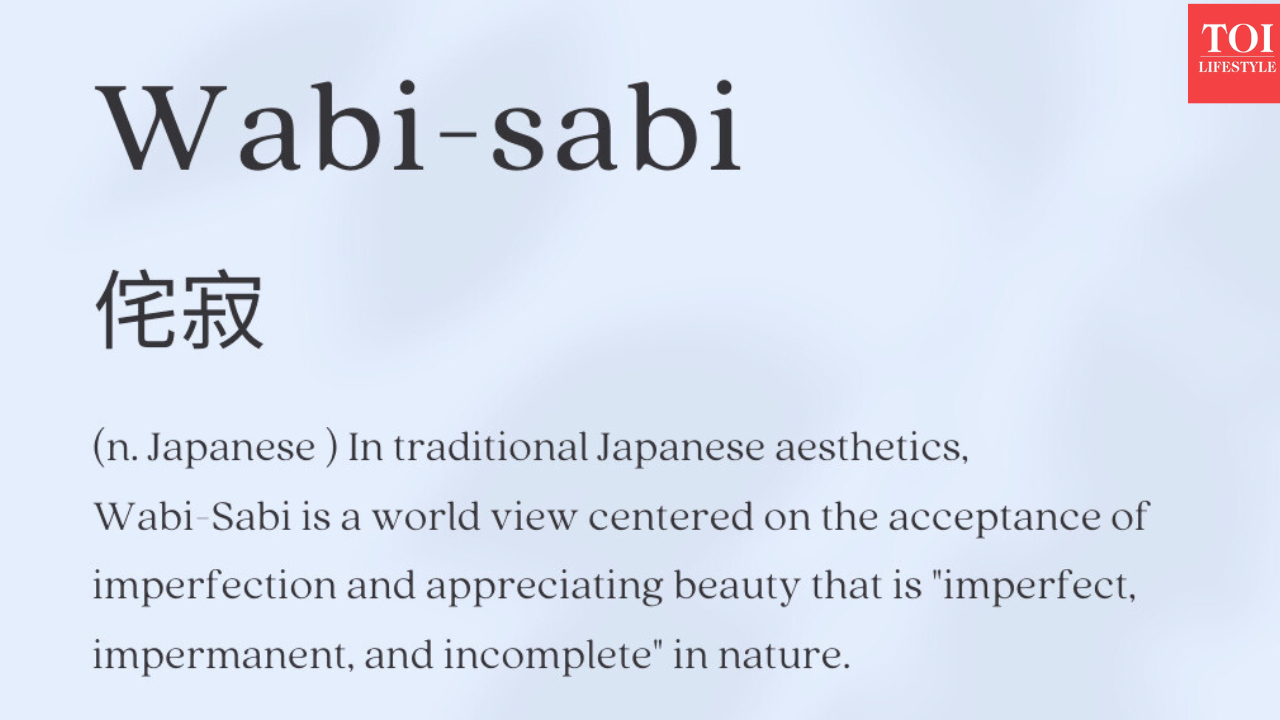
Wabi-sabi isn’t loud. It doesn’t arrive with neon quotes about “loving yourself” or force you to romanticise your life every five minutes. It sits quietly in the corner, like a cup of slightly uneven handmade chai mug that somehow feels warmer than anything factory-made. In Japan, wabi-sabi is less a concept and more a way of seeing, a gentle acknowledgement that everything has a lifecycle: rising, thriving, fading, and changing. Nothing lasts forever, nothing is truly perfect, and that’s where beauty hides. At its heart, wabi-sabi is about choosing authenticity over polish. Think of wabi as the humility and simplicity of raw, unvarnished things. Sabi brings the poetry of time, the patina on old brass, the softness of a frayed cotton dupatta, the way a memory mellows. Together, they remind us that life’s value lies in the lived-in, the real, the unforced. It’s a philosophy that runs through Japanese tea rituals, poetry, design, and even the way a home is kept never for show, always for soul.