
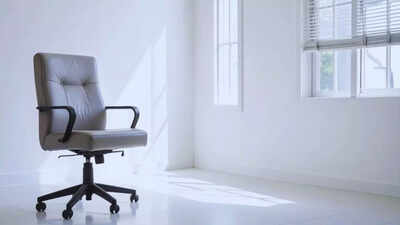
An ergonomic chair is designed to support the body when sitting for long periods. It is made is such a way that it helps to ease tension in the back, neck, shoulders, and hips. People often use it in offices or home work stations to make their posture better and feel better. The height of the seat can be changed so that one’s knees stay at a 90° angle and the feet are flat on the floor. They are designed in a way they support the natural curve of the lower back. They have a backrest that can be adjusted to recline or tilt to help keep the spine in line. Armrests in such chairs can be moved to make it easier on one’s wrists and shoulders. These types of chairs are provided with features like swivel and mobility. And unlike regular chairs, ergonomic chairs are made to fit the way the body works so that they don’t cause problems like back pain, stiffness, or bad posture.Back pain from sitting typically arises slowly. Long hours at desks, inadequate lumbar support, fixed armrests, and the wrong seat height all put a lot of stress on the spine and the muscles around it. Orthopedic specialists and physiotherapists often suggest chairs that help keep the spine in a neutral position, let you change your posture, and take some of the pressure off your hips and lower back. Harsh Wadhwani, Founder of Vergo spoke to us and shares some types of ergonomic chairs and features that doctors recommend for taking care of your back at work and at home.

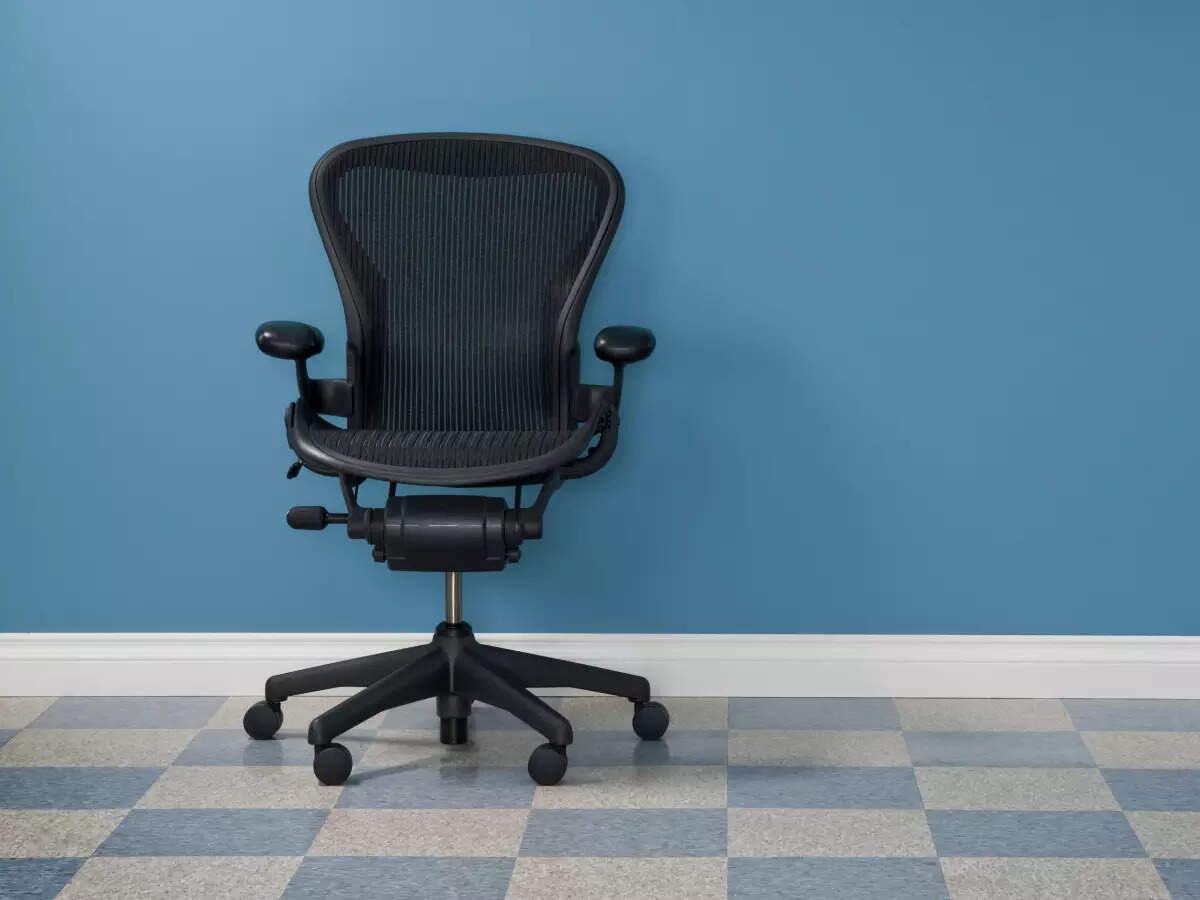
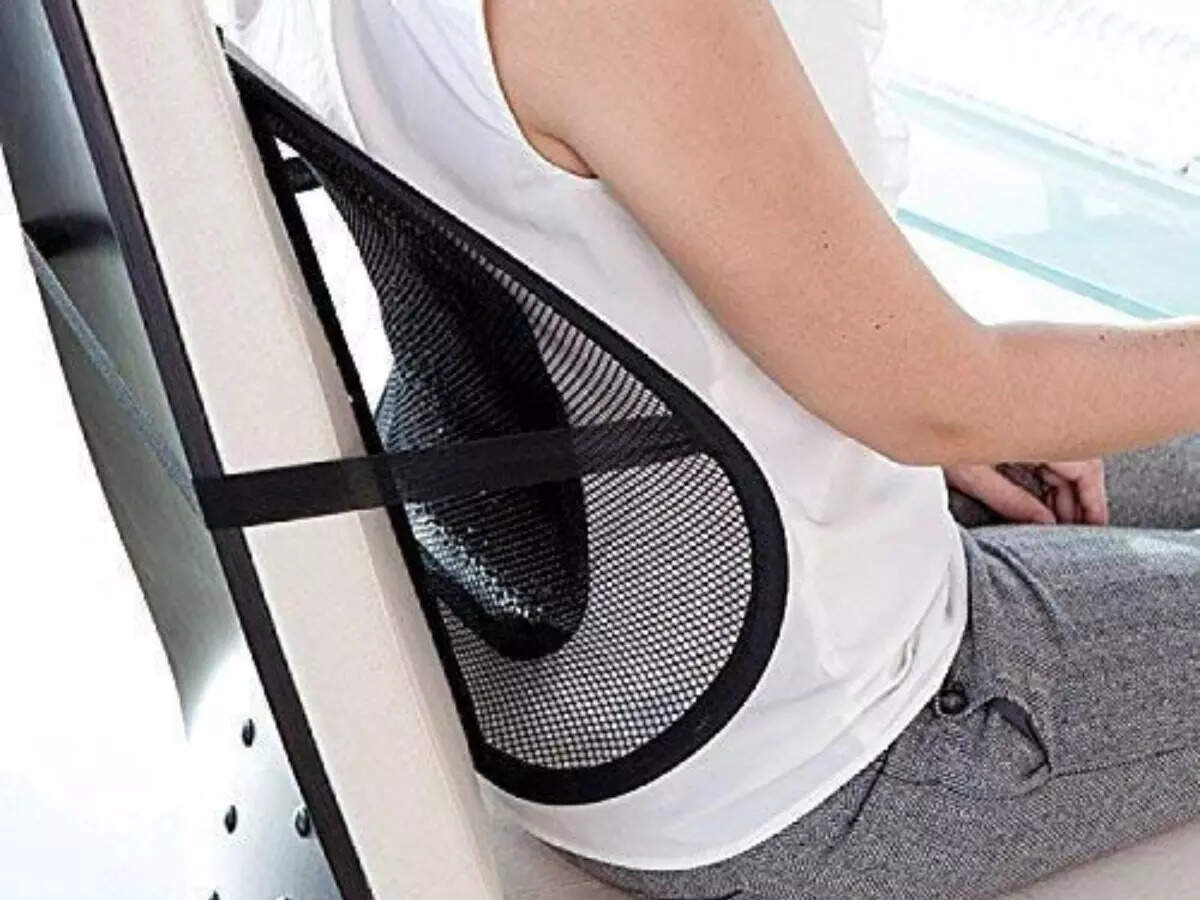
Dynamic Lumbar Support in A High-Back Ergonomic ChairPeople with intermittent lower back pain often recommend this type of chair. The backrest goes all the way down the spine and has a lumbar section that can move. Dynamic lumbar systems stay in touch with the lower back instead of leaving a gap when you change your posture. This design is ideal for people who work at desks for more than six hours a day, according to doctors. A high backrest also supports the neck and upper back, which helps you not slouch.Mesh Ergonomic Chair with Adjustments at Multiple PointsPeople often recommend mesh chairs with adjustable lumbar pads, headrests, armrests, and tilt tension controls for everyday use. Breathable mesh keeps users’ posture by preventing them from having to shift positions often because they are uncomfortable. Medical ergonomics guidelines say that chairs should let people change their posture a little bit during the day. Multi-point adjustment systems let users adjust the height of the seat, the position of the arms, and the angle of the recline to fit their body.Positions for The Synchro-Tilt Chair with Recline LockWhen you recline, the backrest and seat move in a coordinated way thanks to synchro-tilt mechanisms. This keeps the feet on the ground while the torso opens up, which lowers the pressure on the discs in the lower spine. Many spine doctors say that chairs that can recline are better because sitting up straight for long periods of time puts more stress on the spine. Lockable recline angles let users switch between an upright position for tasks and a relaxed position for reading without losing support.
Chair with Adjustable Seat Depth for Hip and Leg SupportThe depth of the seat is crucial for back comfort. A seat that is too long pushes against the backs of the knees and makes it hard for blood to flow. If it’s too short, it won’t support your thighs and will put pressure on your lower back instead. Doctors frequently recommend seat-slider chairs for people who are taller or shorter than average. Good thigh support spreads body weight more evenly and lowers pelvic tilt, which helps keep the spine in line.4D Adjustable Armrests on An Ergonomic ChairMany people don’t realize how much arm position affects the neck and upper back. Shoulders fall inward when armrests are too low. When too high, the shoulders stay up, which causes tension. Chairs that allow you to adjust the height, width, depth, and pivot of the arms enable your forearms to rest naturally next to your body. Physiotherapists often tell people with stiff necks, upper back pain, or wrist strain from using a computer to support their arms.Chair With Two Back SupportsInstead of one flat backrest, dual-back chairs have two flexible panels that sit on either side of the spine. This design encourages sitting up straight while allowing small movements in the spine. Some experts in rehabilitation say that this structure is good for posture training and early-stage back recovery because it makes it hard to slouch.The split support takes some of the direct pressure off the spine and supports the muscles around it.Ergonomic Chair That Can Tilt ForwardThe seat can tilt forward, which opens up the hip angle and encourages an active sitting position. This keeps the lower back from rounding too much when doing things that require focus, like typing or drafting. Sometimes, clinical ergonomics advice says that people who lean toward screens a lot should tilt their screens forward. When used with the right desk height, it keeps the spine in a neutral position.
Ergonomic Chair That Reclines and Has Foot SupportChairs that recline a lot and have a stable foot support help relieve pressure on the spine during breaks. Spine care professionals often tell people to lie down for short periods of time during the day to ease the pressure on their spines that comes from sitting up for long periods of time. Foot support keeps your pelvis stable and stops you from sliding while you lie down.Firm Cushion Ergonomic Chair for Back SupportVery soft seats can make your pelvis sink and your spine round. Many doctors say that seat cushions should be medium-firm so that they support the body’s weight without putting too much pressure on it. Seats made of high-density foam or tension mesh keep their shape longer and keep the pelvis in a more stable position. For people who have chronic lower back pain or sacroiliac pain, the firmness of the seat is important. To get rid of back pain, you need to keep getting support and move around regularly. A well-designed ergonomic chair gives both of them a solid base. peaceful, secure, and convenient for living. That really is the core of smarter living. It is not about the more technology but the better decisions that have been integrated silently into the normal routine.