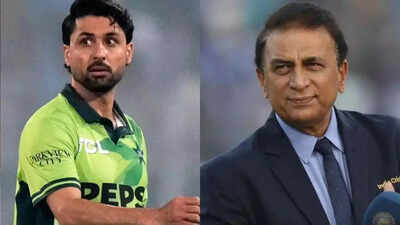
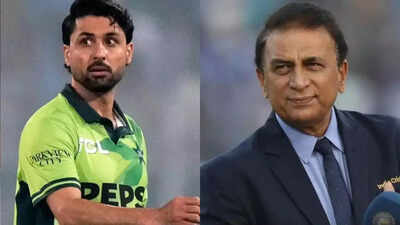
NEW DELHI: A fresh controversy has erupted in the cricketing world after Pakistan-born England cricketer Azeem Rafiq strongly criticised batting great Sunil Gavaskar for his remarks on Indian-owned franchises signing Pakistan players in overseas leagues.Go Beyond The Boundary with our YouTube channel. SUBSCRIBE NOW!The debate was triggered after Abrar Ahmed was picked by Sunrisers Leeds for £190,000 in The Hundred auction, making him the first Pakistan cricketer to join an Indian-owned team in the competition. The move sparked backlash among Indian fans, prompting Gavaskar to weigh in with a strong opinion.
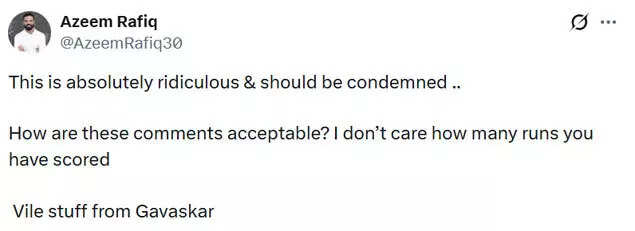
Writing in his Mid-day column, Gavaskar said Indian-owned franchises should refrain from signing Pakistan players, arguing that such financial transactions could indirectly contribute to harm against India. “The furore… is hardly surprising,” he wrote, adding that payments made to players eventually go to their government through taxes, which could be used for military purposes. “If the owner is Indian then he or she is contributing to the Indian casualties. It’s as simple as that,” he stated, also warning of possible fan protests and boycotts.Rafiq, however, did not hold back in his response. Sharing Gavaskar’s comments on social media, he wrote: “This is absolutely ridiculous & should be condemned… How are these comments acceptable? I don’t care how many runs you have scored. Vile stuff from Gavaskar.” His sharp reaction quickly gained traction, adding another layer to the already heated debate.
After the Hundred auction, Sunrisers Leeds head coach Daniel Vettori defended the signing, insisting it was purely based on cricketing needs. He revealed that the franchise turned to Abrar after missing out on England leg-spinner Adil Rashid, highlighting the Pakistan spinner’s variations and effectiveness, especially in powerplays.Meanwhile, Rajeev Shukla clarified that the BCCI has no jurisdiction over franchise decisions in foreign leagues, leaving the matter entirely to the team management.The episode has once again spotlighted the complex intersection of sport, politics and public sentiment, with Rafiq’s blunt criticism ensuring that Gavaskar’s remarks remain firmly in the spotlight.