
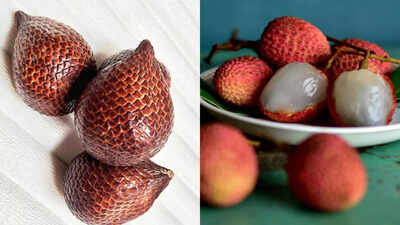
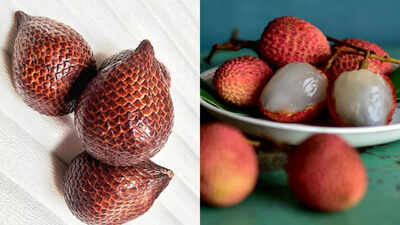
Snake fruit and litchi fruit often spark curiosity because they offer two very different tropical experiences. Snake fruit looks bold and textured with its scaly skin, while litchi fruit feels delicate and juicy from the moment its shell is removed. Both fruits come from warm climates, carry gentle sweetness and appear in traditional dishes across Asia. They have become increasingly popular among people looking for refreshing, naturally sweet snacks. Comparing them side by side helps highlight how they differ in flavour, nutrition and texture, and when each one may be the better choice.A peer reviewed study published in Nutrients notes that tropical fruits rich in vitamin C and plant antioxidants may support immunity, skin health and overall well-being.
Snake fruit vs litchi fruit: Nutritional breakdown shows similar calories
Although these two fruits look and taste very different, their calorie counts sit surprisingly close. Snake fruit tends to feel more filling because its segments are firm and fibre-dense. Litchi fruit, with its high water content, feels lighter and more hydrating even though the energy value is similar. Both fruits can fit comfortably into a balanced diet as low-calorie sweet options without relying on added sugar.
Micronutrients of snake fruit and litchi fruit
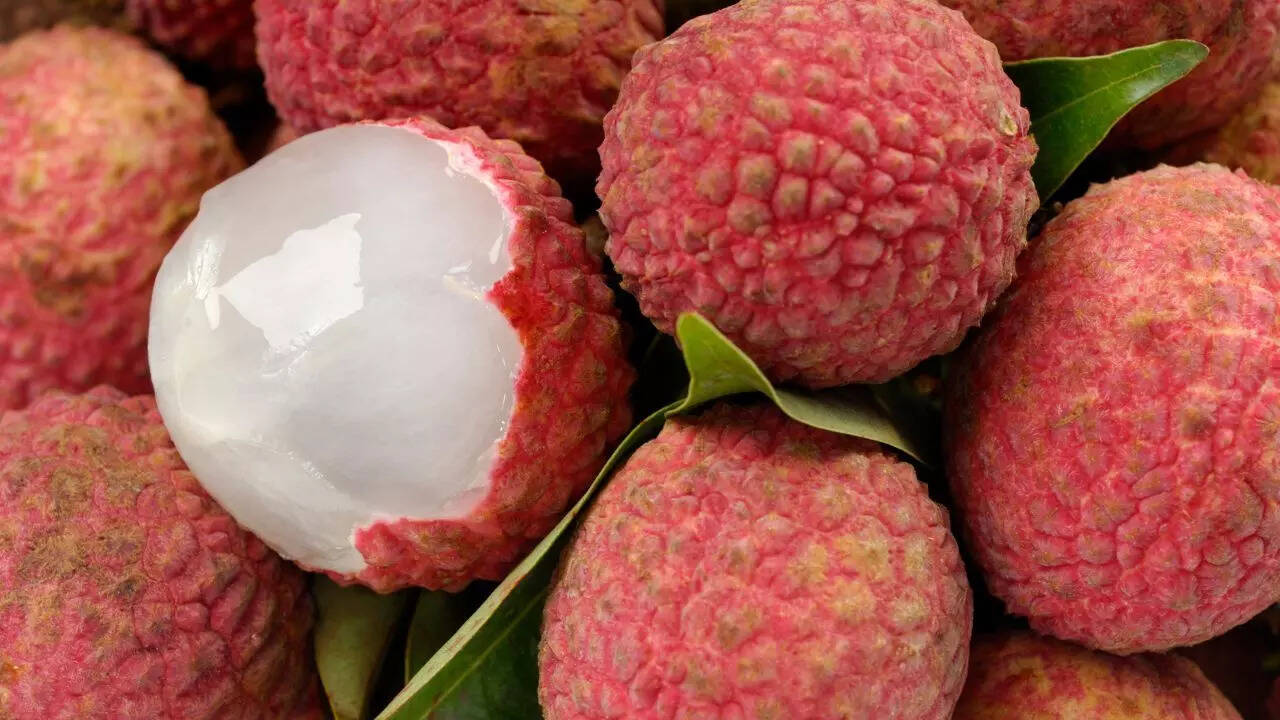
Snake fruit contains vitamin C, potassium and fibre, which support digestion, hydration balance and satiety. The crisp structure of the fruit naturally slows down eating, which may help with portion awareness.Litchi fruit offers vitamin C, copper and a range of polyphenols that contribute to antioxidant activity. Its juiciness makes it refreshing during warm weather and helps restore hydration after physical activity.Both fruits supply natural sugars, but their micronutrient strengths differ slightly, making each suitable for different needs.
Snake fruit vs litchi fruit: Both are low in protein and fat
Like most fruits, snake fruit and litchi fruit provide very small amounts of protein and almost no fat. Their value comes from vitamins, minerals, fibre and hydration instead of macronutrients. Snake fruit may feel more satisfying because the firmer flesh slows digestion, while litchi fruit delivers quick hydration and a cooling effect. People looking for a light, sweet snack without heavy ingredients can enjoy either fruit without concern for excessive fat or protein intake.
Snake fruit vs litchi fruit: Taste difference explained
Snake fruit has a mild sweetness with a gentle tang and sometimes a faint nutty note. The flavour varies slightly depending on ripeness, but it tends to feel balanced rather than overly sugary. Litchi fruit leans in the opposite direction, offering a fragrant sweetness with soft floral hints that many people recognise instantly. While snake fruit tastes clean and steady, litchi fruit tastes refreshing and almost perfume-like, giving it a more delicate and cooling profile. These differences make each fruit suited to different moods and flavour preferences.
Snake fruit vs litchi fruit: Texture difference explained
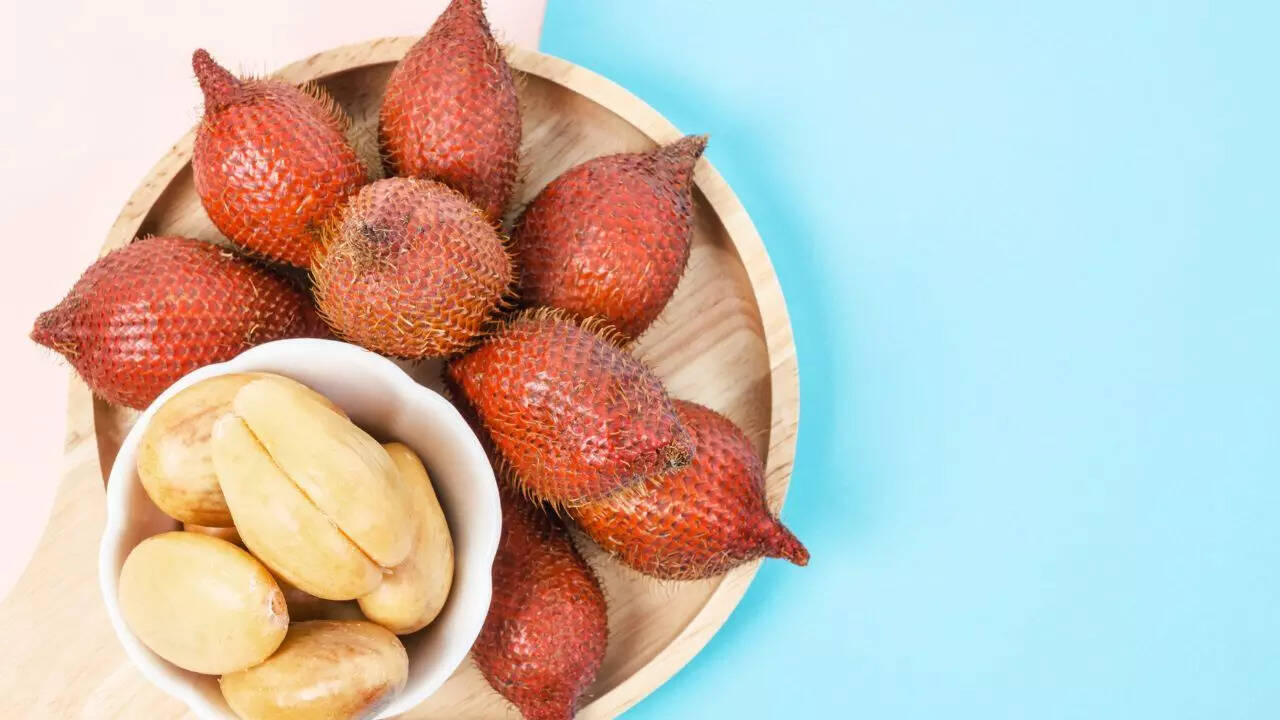
Snake fruit has a firm, crisp structure that breaks with a dry snap, similar to biting into a slightly dense apple. This texture makes the fruit feel more filling and substantial. Litchi fruit offers a tender, juicy bite that feels smooth and cooling on the tongue, with the flesh almost melting once eaten. The contrast between the two is striking: snake fruit provides crunch and firmness, while litchi fruit delivers softness and moisture. The texture alone often decides which fruit someone prefers.
Snake fruit vs litchi fruit: Which fruit is better? It depends on your health
Both fruits offer different benefits, so the better choice depends on personal needs. Snake fruit suits people who enjoy a firm, crisp bite and want a snack that keeps them full for longer. Its fibre supports digestion and may help steady appetite.Litchi fruit works well for those who prefer juicy, floral sweetness and want a refreshing fruit that feels light on the stomach. Its vitamin C and polyphenols support antioxidant activity, and its high water content helps with hydration.Anyone managing calorie intake can enjoy either fruit in moderation, and both make easy additions to smoothies, fruit bowls and desserts.Disclaimer: This content is intended purely for informational use and is not a substitute for professional medical, nutritional or scientific advice. Always seek support from certified professionals for personalised recommendations.Also read| Marshmallow root benefits: What this soothing traditional herb may help with