
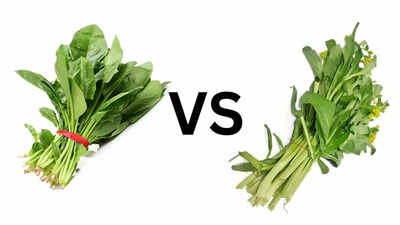
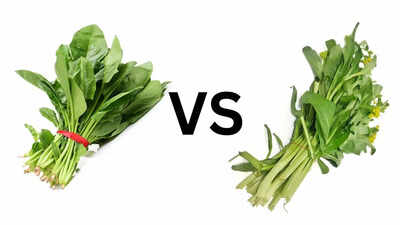
When winter arrives in India, it’s tough to picture a meal without sarso ka saag or palak paneer on the table. These aren’t just cosy, feel-good dishes; they pack a real nutritional punch. Winter’s cool air and bigger appetites somehow make leafy greens even more tempting. Spinach and mustard greens shine right now. They’re loaded with vitamins, minerals, and antioxidants your body craves. These greens keep your heart in good shape, strengthen your bones, sharpen your mind, and ramp up your immunity. They even help knock down cholesterol. Both are true winter superfoods. Once you know what makes each one special, you’ll want them in your meals all season long.
Understanding the nutritional strength of Palak and Sarso
Spinach (Palak): Tiny leaves, big nutritionSpinach is a powerhouse. Just 100 grams serves up a serious dose of vitamins, minerals, and antioxidants. Here’s what you get:
- Vitamin K for strong bones and healthy blood clotting
- Vitamin A to keep your eyes sharp, your skin clear, and your immune system strong
- Vitamin C for a tougher immune system and healthy cells
- Folate, which is key to cell growth, is also important during pregnancy
- Iron helps your blood carry oxygen
- Potassium for steady blood pressure
- Magnesium for muscles and nerves
Why do you want spinach on your plateSpinach is loaded with Vitamin K, so it’s great for bones and can help fight off osteoporosis. It’s rich in lutein and zeaxanthin nutrients that protect your eyesight as you age. Thanks to potassium and antioxidants, it’s also good for your heart. Plus, the antioxidants in spinach fight cell damage, which helps lower your cancer risk. And since it’s low in calories but high in fibre, spinach keeps you full and helps with digestion if you’re watching your weight.Mustard Greens (Sarso): Bold taste, bold benefitsAs per research published on ResearchGate, Mustard greens are another winter staple that packs a punch. Here’s what’s hiding in those peppery leaves:
- Vitamin A for strong eyesight, glowing skin, and solid immunity
- Vitamin C to help you fight off those winter colds
- Vitamin K for healthy bones and clotting
- Calcium to keep your bones and teeth tough
- Iron for healthy blood
- Folate for cell growth
- Dietary fibre for a happy, healthy gut
Why Sarso deserves a spot at your tableSarso is loaded with Vitamin C, so it gives your immune system a solid boost just when you need it most. Vitamin K and calcium help keep your bones strong. The fibre and antioxidants help lower cholesterol and keep your heart healthy, while fibre also keeps your digestion on track. Plus, compounds in mustard greens fight inflammation, so they’re doing more behind the scenes than you might think.Bottom line: Both palak and sarso are winter superfoods, and you really can’t go wrong with either. Whether you’re spooning up sarso ka saag or digging into palak paneer, your body will thank you.
Palak or Sarso: Which is healthier
Both greens are incredibly nutritious, but they shine in different areas.
In short:
- Spinach is superior in iron, potassium, folate, and Vitamin K.
- Sarso offers more Vitamin A, Vitamin C, calcium, and fibre.
Palak and Sarso are winter superfoods with distinct health advantages. Rather than picking one over the other, incorporate both into your winter meals for a broader range of nutrients, enhanced immunity, and overall wellness.Disclaimer: The information in this article is for general knowledge only and should not be taken as medical advice. Nutritional requirements differ from person to person, and what works for one may not be appropriate for another. If you have any health ailments, dietary restrictions, or nutrition concerns, please contact a trained healthcare expert or nutritionist before making dietary adjustments.