
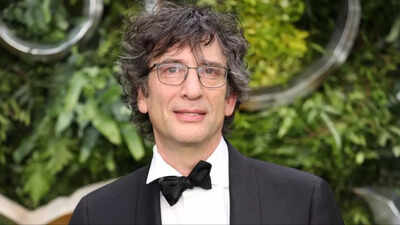
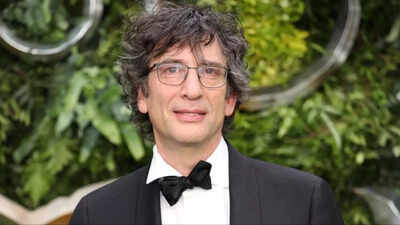
Over the past nearly two years, acclaimed British author Neil Gaiman (known worldwide for The Sandman, American Gods, Coraline and other beloved works) has been the subject of a highly contentious and polarising public controversy centred on multiple allegations of sexual assault and misconduct. What started with a podcast investigation and magazine exposé has evolved into a long-running debate about consent, evidence, media coverage and artistic legacy.
What the allegations against Neil Gaiman say
The controversy began in July 2024, when Tortoise Media released a multi-part investigative podcast titled “Master: The Allegations Against Neil Gaiman”, in which two women spoke about alleged sexual misconduct by Gaiman, including instances they described as coercive or non-consensual. Over the following months, more women came forward and in January 2025, New York Magazine published a high-profile piece detailing accounts from at least eight women accusing Gaiman of behaviours they experienced as abusive or coercive.The allegations span decades and different contexts; some involve women who were in relationships with Gaiman that they later described as harmful, while others involve women who worked for him in some capacity, raising questions about power dynamics in addition to consent. One of the most detailed allegations came from Scarlett Pavlovich, a former nanny who has both discussed her experiences publicly and filed civil legal claims related to sexual assault and coercion.
Neil Gaiman’s denials and public statements
Throughout this period, Gaiman has repeatedly and emphatically denied ever engaging in non-consensual sexual activity. In statements on social media and his website, particularly a lengthy post this February 2026, he shared, “The allegations against me are completely and simply untrue. There are emails, text messages and video evidence that flatly contradict them. These allegations, especially the really salacious ones, have been spread and amplified by people who seemed a lot more interested in outrage and getting clicks on headlines rather than whether things had actually happened or not. (They didn’t.)”
I forgot I was still following Neil Gaiman’s Twitter and then got a pop up of a post that he said he’s experiencing a smear campaign pic.twitter.com/2GfGp7xs33— ElizaJean🖋💕 (@JellyLizzy) February 2, 2026