

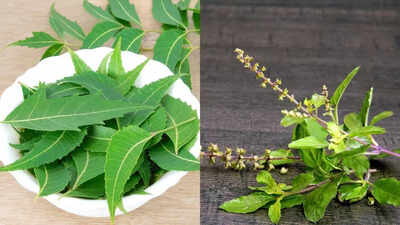
For thousands of years, Ayurveda has relied on the healing power of herbs to maintain overall well-being. Among its most revered plants, Neem (Azadirachta indica) and Tulsi (Ocimum sanctum) stand out as two of nature’s most potent healers. Both are deeply rooted in Indian tradition and are used in daily rituals, medicine, and skincare. They share many similarities, detoxifying the body, strengthening immunity, and improving skin health, yet they also offer distinct therapeutic advantages. So, when it comes to enhancing both your health and skin, which herb is more effective, neem or tulsi?
Why neem and tulsi are Ayurveda’s ultimate duo for immunity and detox
Ayurveda classifies herbs based on their energetic qualities, or dosha-balancing properties. Neem and tulsi are both considered ‘pitta-pacifying’ herbs, meaning they help reduce excess heat and toxins in the body, which can manifest as inflammation, infection, or skin issues.
While neem is seen as a purifier and detoxifier, known for its cooling and cleansing effects, tulsi is viewed as a rejuvenator and protector, supporting balance and vitality across multiple body systems.Together, they represent two sides of natural healing, purification, and restoration.
Neem: The detoxifying powerhouse
Known as the “village pharmacy,” Neem is one of Ayurveda’s most versatile medicinal plants. Every part of the neem tree, leaves, bark, seeds, and oil, is used in traditional remedies for its powerful antibacterial, antifungal, and anti-inflammatory effects.Key health benefits of neemNeem helps cleanse the blood and liver by removing harmful toxins, which supports overall organ function and boosts immunity.
- Strengthens the immune system
Its active compounds, such as nimbidin and azadirachtin, help the body fight bacterial and viral infections effectively.
- Regulates blood sugar levels
Research indicates that neem can help maintain healthy blood glucose levels by supporting pancreatic function.
- Supports oral and digestive health
Chewing neem leaves or using neem-based mouthwash can reduce plaque, bad breath, and gum inflammation. Neem also aids digestion and alleviates intestinal parasites.Benefits of neem for skin
- Purifies the skin by removing impurities and excess oil.
- Treats acne, rashes, and minor infections with its antimicrobial activity.
- Promotes healing of scars and wounds.
- Keeps the skin clear and balanced through natural detoxification.
A study published in Frontiers in Pharmacology highlights neem’s strong antimicrobial and healing properties, making it valuable not just for topical care but also for internal purification.
Tulsi: The herb of holistic balance
Revered as the “Queen of Herbs,” Tulsi, or holy basil, holds a sacred place in Indian households. Beyond its spiritual significance, tulsi is renowned for its adaptogenic properties, which help the body manage stress and maintain equilibrium.Key health benefits of tulsi
- Boosts immunity and fights infections
Tulsi possesses antibacterial, antiviral, and antifungal properties that help the body defend itself against seasonal illnesses and respiratory infections.
- Reduces stress and fatigue
Its adaptogenic compounds regulate cortisol levels, promoting mental calmness and resilience under stress.
- Supports respiratory and cardiovascular health
Tulsi helps clear mucus, ease breathing, and support heart health by improving circulation and reducing cholesterol levels.
- Enhances digestion and metabolism
Regular consumption of tulsi tea aids digestion, supports healthy metabolism, and reduces bloating.Benefits of tulsi for skin
- Acts as a natural detoxifier and toner for the skin.
- Calms irritation and redness caused by pollution or stress.
- Balances oil production and prevents breakouts.
- Brightens dull skin and supports youthful radiance.
Tulsi’s antioxidant compounds, such as eugenol and flavonoids, also protect the skin from free radical damage, slowing premature ageing.
Scientific comparison: Neem vs Tulsi
A comparative study published in ResearchGate found that both herbs demonstrate potent antimicrobial properties.
- Neem showed slightly stronger antibacterial action against certain pathogens.
- Tulsi exhibited superior antioxidant and balancing effects, benefiting systemic health and skin renewal.
This suggests that neem excels at detoxification and infection control, whereas tulsi promotes internal harmony and resilience, creating a complementary effect when used together.
Neem and tulsi: Ayurvedic blend for perfect well-being
From an Ayurvedic and scientific perspective, both neem and tulsi contribute uniquely to holistic health:
- Neem purifies: It cleanses the blood, fights infections, and clears the skin.
- Tulsi harmonises: It strengthens the immune system, reduces stress, and rejuvenates the body.
Incorporating both herbs into your routine, whether through teas, supplements, or skincare products, offers a comprehensive approach to inner health and outer radiance.
Which one should you choose
The choice between neem and tulsi depends on your individual health goals.
- If you seek deep cleansing, detoxification, and infection control, neem is your ideal choice.
- If your focus is on stress relief, vitality, and balanced skin health, tulsi offers gentler yet profound support.
Together, they form a powerful Ayurvedic duo that nurtures your body inside and out.Integrating these timeless herbs into your lifestyle helps maintain a healthy equilibrium, one that reflects not only on your skin but in your overall well-being.Disclaimer: This article is for informational purposes only and should not be considered medical advice. Please consult a healthcare professional before making any changes to your diet, medication, or lifestyle.Also read | Early signs of heart disease may be visible in the eyes; here’s what doctors are warning about