There are two kinds of people in the world.One kind remembers Mortal Kombat as a video game.The other remembers it as a physiological event, the first time a digitised man in red pyjamas pulled another digitised man’s head clean off and held it up like a trophy, while a disembodied voice announced it with the moral neutrality of a weather update.Finish him.That phrase did not merely enter pop culture; it migrated into the nervous system. It became a school corridor taunt, a playground dare, a late-night cable TV punchline, and a small, involuntary reflex embedded in the adult brain. Mortal Kombat did not simply entertain; it rewired expectation. It taught an entire generation that spectacle could function as ritual, that violence could be stylised into meaning, and that digital characters could feel more mythic than human actors.The new Mortal Kombat II trailer understands precisely what it is reviving. It is not selling plot. It is selling memory. It is selling the sensation of recognising silhouettes before faces, of anticipating moves before they happen, of participating emotionally in a fictional combat system that once felt more real than the physical world surrounding it.
Karl Urban and the arrival of the perfect Johnny Cage
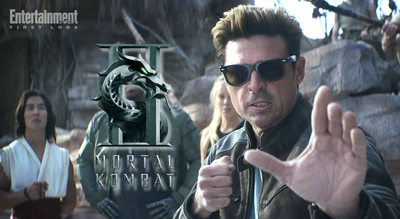
Every Mortal Kombat story requires a human anchor, and Johnny Cage has always served that purpose.He exists as both participant and observer, a character whose arrogance masks insecurity and whose humour masks uncertainty. Cage represents the audience’s own disbelief at the world he inhabits, while simultaneously embracing it with theatrical enthusiasm.Karl Urban is an unusually precise casting choice because he specialises in characters who retain emotional credibility inside heightened realities. His screen persona is built on contained intensity and reluctant competence. He carries himself like a man who has seen too much but continues forward anyway.
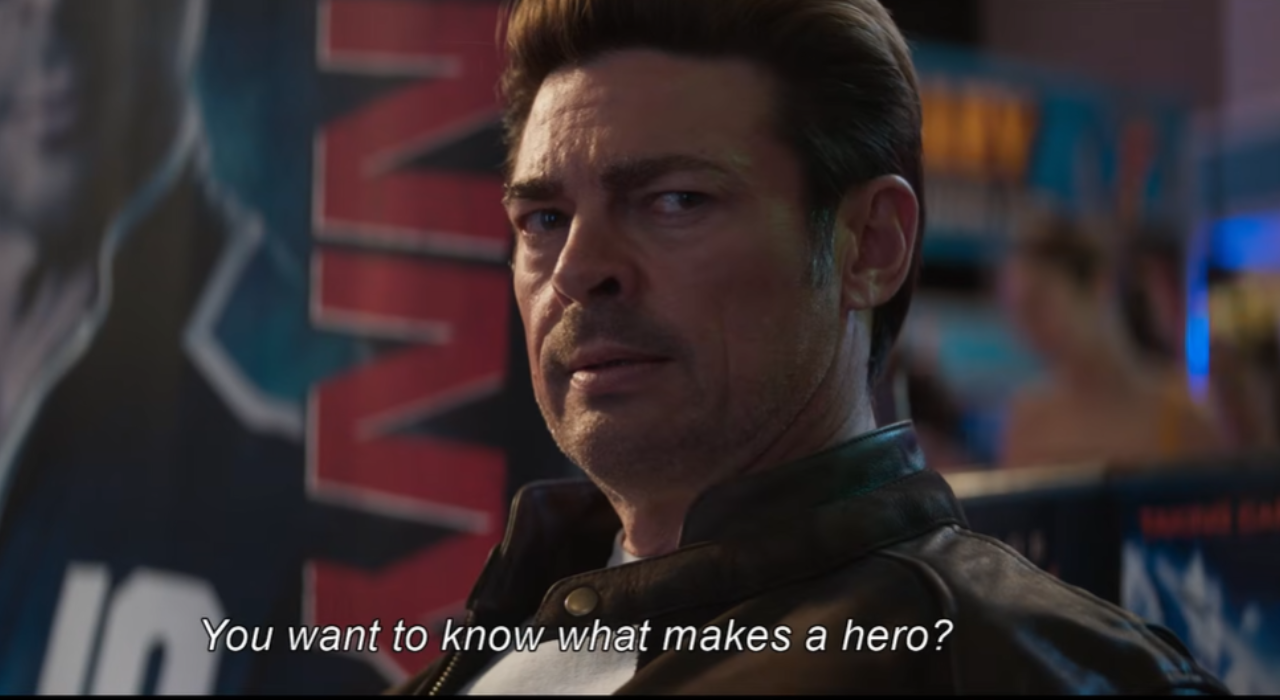
Image: Trailer/ Youtube
This quality allows Urban to ground Johnny Cage in recognisable human behaviour without diluting the character’s essential theatricality. Cage must be believable, but he must also remain absurd. He must function as both protagonist and commentary. Urban’s presence makes that balance possible.More importantly, Cage provides structural clarity. He enters the tournament not as a mythological figure but as an outsider, which allows the audience to rediscover the world alongside him. This narrative device reduces the need for exposition and allows the film to prioritise experience over explanation.
The return of the tournament and the restoration of structure
The most important promise in the trailer is not the violence but the tournament itself.The 2021 film functioned largely as prologue, establishing characters and mythology while postponing the central event. Mortal Kombat II appears to correct that decision by restoring the tournament to its rightful place as the organising principle of the story.This matters because Mortal Kombat has always been structured around ritualised combat. The tournament is not merely a narrative device; it is the franchise’s core logic. It creates order within chaos. It provides rules within myth. It transforms individual fights into symbolic confrontations between larger forces.
The expanded roster reinforces this structural clarity. Characters such as Shao Kahn, Baraka, Sindel, and Quan Chi deepen the mythological ecosystem, while the return of Scorpion and the transformation of Sub-Zero reflect the franchise’s cyclical understanding of identity and power.Each character brings with them a distinct physical vocabulary and symbolic identity. The appeal lies not simply in who wins but in how they fight, how they move, and what they represent.
Nostalgia and the physical memory of play
Video game nostalgia differs fundamentally from film nostalgia because it resides in the body as much as in the mind.It exists in remembered muscle memory, in the sensation of executing a move correctly, and in the emotional volatility of victory and defeat. Mortal Kombat was never experienced passively. It demanded participation. It rewarded mastery. It punished hesitation.This participatory structure created emotional investment in a way that traditional media rarely could. Players did not simply observe mythological combat; they enacted it.
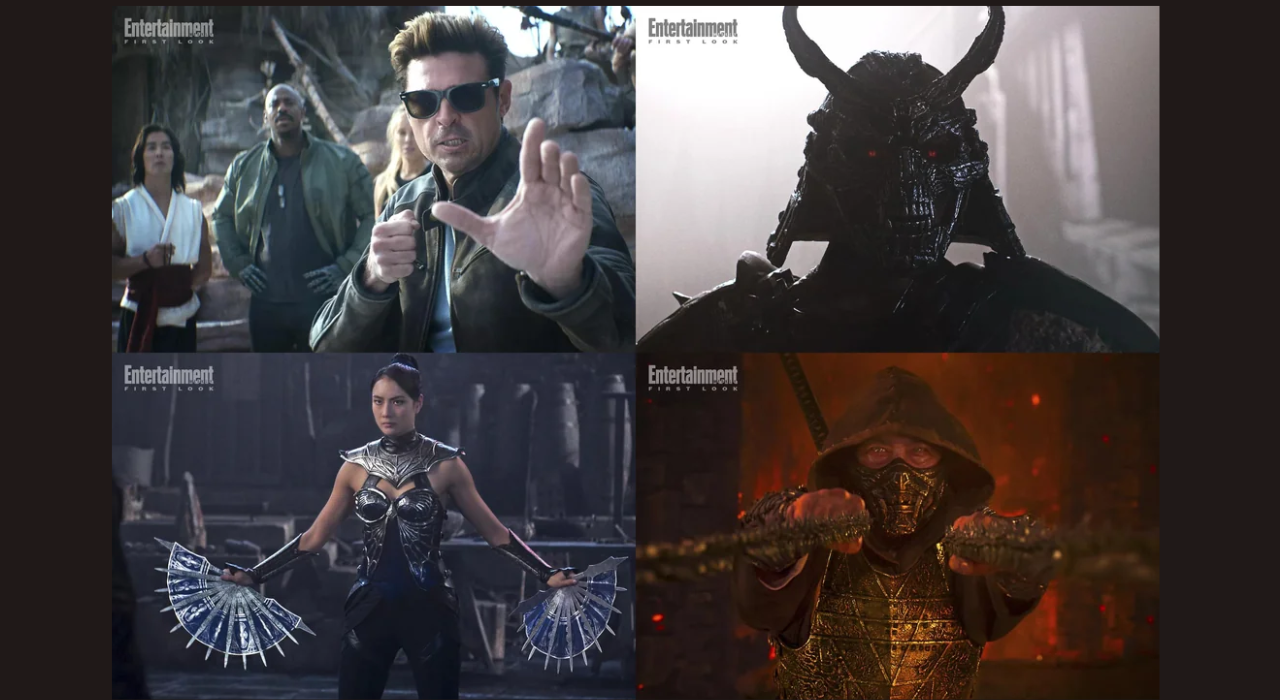
First Images from ‘Mortal Kombat II’
The trailer’s visual language reflects an awareness of this history. It emphasises choreography, timing, and physical consequence. It treats combat as performance rather than interruption. Violence becomes narrative rather than decoration.Why the perfect video game movie remains elusiveThe persistent difficulty of adapting video games lies in the structural difference between participation and observation.Video games generate meaning through agency. The player shapes outcomes. Success and failure feel personal. Film removes that agency and replaces it with observation, creating emotional distance where games create emotional ownership.Most adaptations struggle because they attempt to replicate narrative detail rather than experiential rhythm. They preserve plot while losing feeling.The most successful adaptations recognise that fidelity to emotional architecture matters more than fidelity to narrative specifics. They recreate tension, rhythm, and symbolic clarity rather than attempting literal translation.Mortal Kombat II appears to move closer to this approach. It prioritises confrontation over exposition. It emphasises identity over explanation. It allows characters to express themselves physically rather than verbally.
Confidence, identity, and the possibility of authenticity
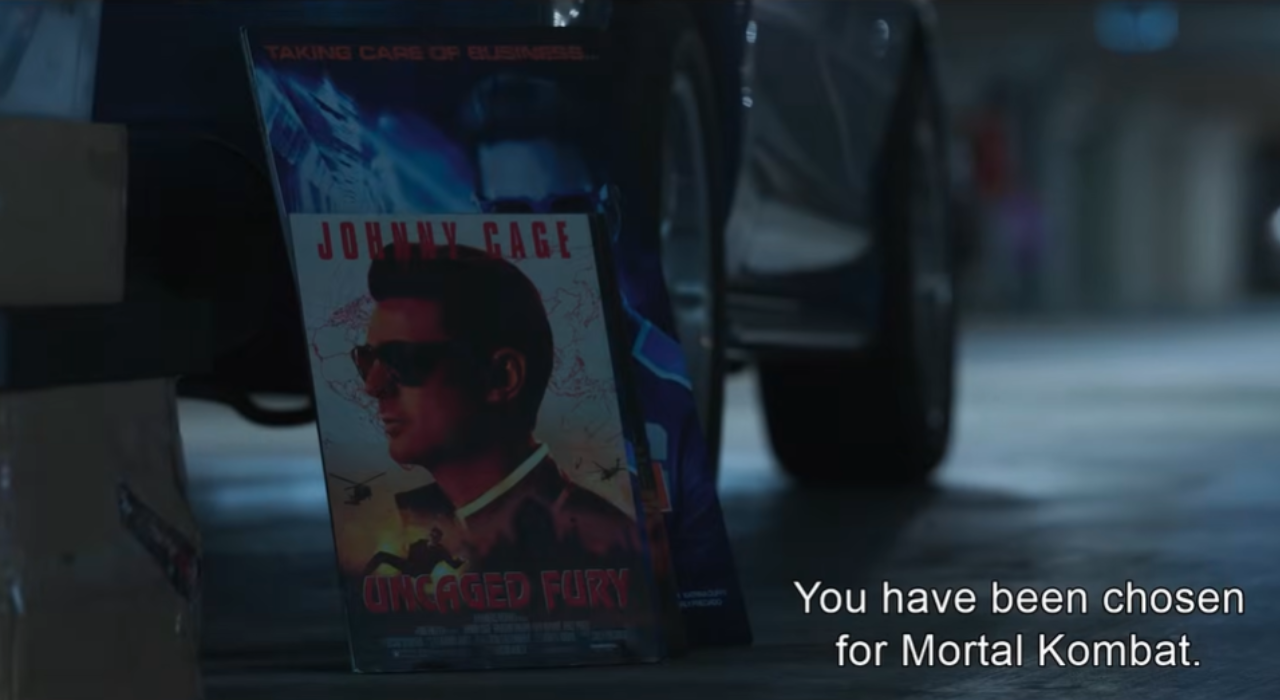
What distinguishes the new trailer most clearly is its confidence.The film no longer appears uncertain about its identity. It does not attempt to disguise its origins or justify its mythology. Instead, it embraces the symbolic logic that made the games culturally durable.
Mortal Kombat II/ Image: Youtube
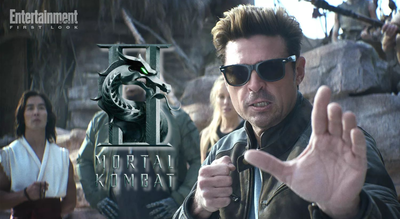
Karl Urban’s Johnny Cage embodies this confidence. He functions as a bridge between audience and mythology, grounding the experience without constraining it. His presence allows the film to expand while maintaining emotional coherence.The expanded roster, restored tournament structure, and emphasis on choreography all suggest a clearer understanding of what Mortal Kombat must be. It must function as myth enacted through motion. It must prioritise symbolic clarity over narrative realism.
The eternal search continues
The perfect video game movie may remain an ideal rather than an achievable endpoint.But perfection is not the only meaningful measure of success. Authenticity matters more. Emotional coherence matters more. The ability to recreate experiential truth matters more.Mortal Kombat II appears positioned to move closer to that truth than previous adaptations. It understands that its power lies not in explanation but in execution. It understands that its mythology functions best when expressed through action rather than exposition.Most importantly, it understands that Mortal Kombat has always been less about violence than about transformation.Ordinary characters become mythological figures. Ordinary spectators become emotionally invested participants.And somewhere, deep within collective memory, the invitation still waits.Choose your fighter.