


The monkey cap is one of those winter items that almost everyone recognises but very few people question. It appears quietly every year when the temperature drops, pulled out of cupboards, trunks, and old plastic bags that smell faintly of mothballs. It is not fashionable in the modern sense, yet it refuses to disappear. From crowded city streets to small towns and rural areas, the monkey cap has remained stubbornly present. What makes it interesting is not just how long it has survived, but how naturally it slipped into Indian life. It was never marketed as tradition, never celebrated as craft, and never designed to be iconic. And yet, over decades, it became exactly that.
Monkey cap origin and how it entered Indian winter life
The origin of the monkey cap traces back to a very different place and purpose. Its earliest form resembles the balaclava, a woollen head covering worn by soldiers during the Crimean War in the nineteenth century. The design was simple and practical. It covered the head, ears, neck, and sometimes most of the face, leaving only openings for the eyes and mouth. The goal was survival in cold conditions, not style.Through colonial contact, this type of headgear made its way into India. British officials, soldiers, and workers used similar woollen caps in colder regions and hill stations. Over time, local tailors and knitters adapted the design using available wool and techniques. What emerged was a simpler, more snug version that suited Indian winters. It was easy to make, easy to wear, and far more affordable than imported winter wear.
Why the monkey cap suited Indian winters so well
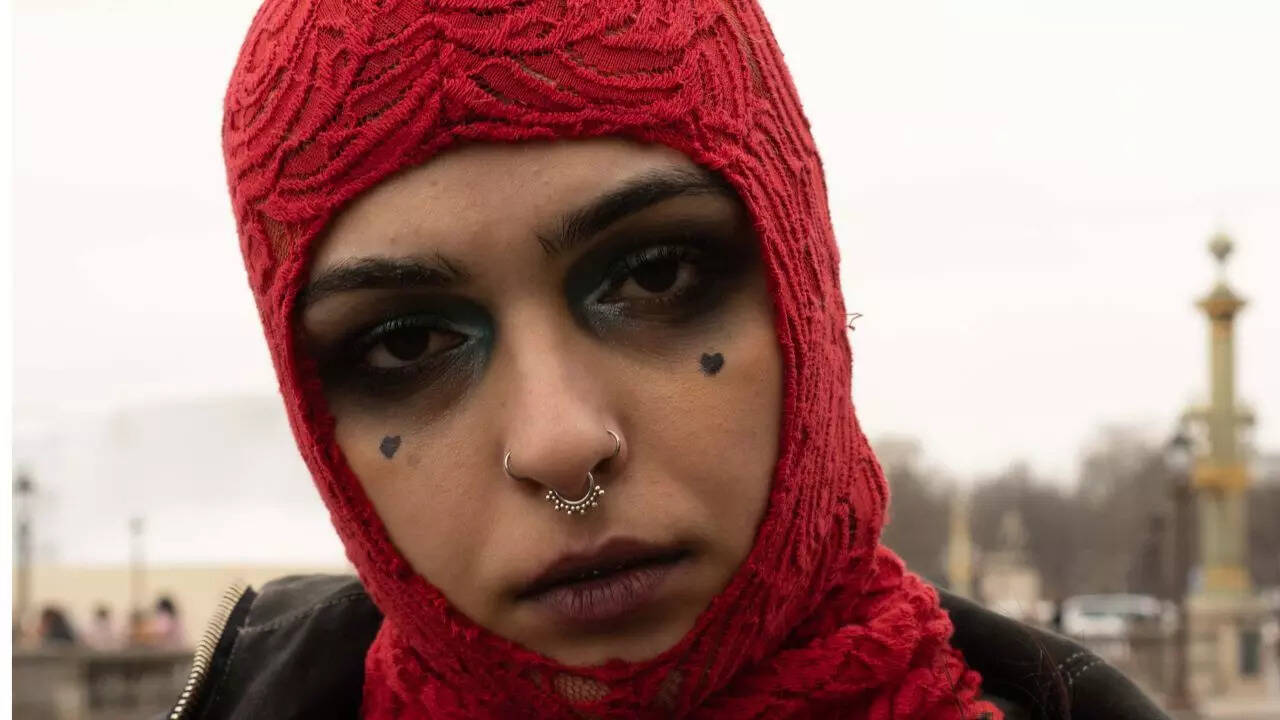
India does not experience extreme cold across most regions, but winter discomfort is real. Damp mornings, fog, and chilly winds make ears and heads feel painfully cold, especially in eastern and northern parts of the country. The monkey cap answered a very specific need. It kept warmth in without requiring layers of clothing. It protected the ears and forehead, which are often the first to feel cold.Unlike scarves or shawls, the monkey cap stayed in place. It did not need adjusting. This made it especially useful for people who worked outdoors, travelled early in the morning, or rode bicycles and scooters. Its practicality helped it spread quickly beyond elite or colonial spaces and into everyday Indian households.
How the monkey cap became normal, not fashionable
One reason the monkey cap endured is that it never tried to be stylish. It became normal. Parents insisted that children wear it to avoid catching a cold. Grandparents wore it indoors during winter mornings. Vendors, rickshaw pullers, security guards, and students all adopted it for the same reason. It worked.Because it was cheap and durable, the monkey cap crossed class boundaries easily. It was sold in local markets, knitted at home, and sometimes passed down within families. There was no pressure to replace it every season. One cap often lasted years.Over time, it also became part of winter humour. People joked about how Bengalis or north Indians wore monkey caps even when temperatures barely dropped. The cap became shorthand for winter itself, exaggerated or not.
The monkey cap in popular memory and media
The monkey cap slowly found its way into films, television, and everyday imagery. Characters wearing it were often shown as relatable, practical, or slightly comedic. That image stuck. It made the cap familiar and unpretentious.Unlike luxury winter wear, the monkey cap did not signal status. It signalled routine. That is part of why it remained accepted even as fashion trends changed rapidly.
Why the monkey cap still survives today
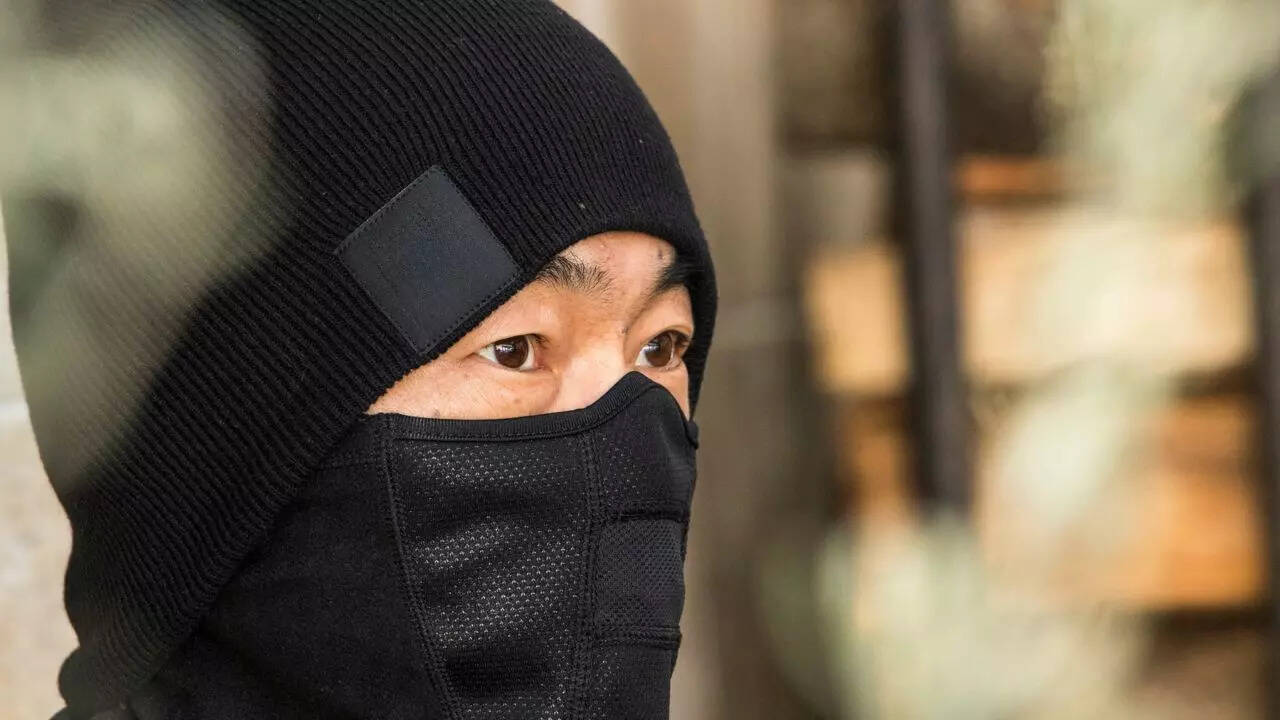
Today, winter wardrobes are full of options. Beanies, fleece caps, designer woollens, and imported headgear are easily available. Yet the monkey cap refuses to vanish completely. People still reach for it during cold spells, especially early mornings or late nights.Its survival has less to do with nostalgia and more to do with trust. People know exactly what it does. It is warm, reliable, and uncomplicated. It does not need explanation or styling advice.The monkey cap did not arrive in India as a symbol. It became one slowly, through use rather than intention. Its origin lies in necessity, its spread in practicality, and its endurance in familiarity.In a country where trends change fast, the monkey cap stands out as something that stayed because it earned its place. Not through fashion, but through function. And that may be the strongest reason it continues to appear every winter, year after year.