
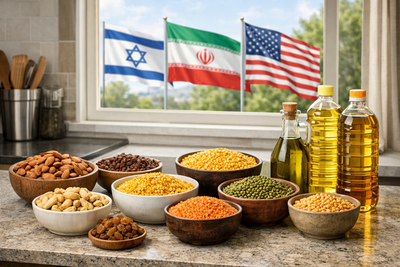
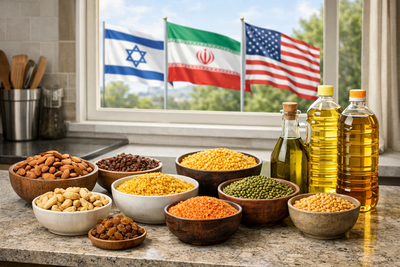
The Middle East is on the boil but your wallet might feel the heat too as the ongoing conflict ripples across your grocery bills. The crisis is set to impact your daily dal-chawal, dry fruit and your sweet tooth craving as prices are expected to rise up to even a whopping 30%, according to traders. From rising freight charges to disrupted trade routes, industry voices warn that supply chains linked to Iran, Israel and the US are coming under strain. Lets have a look at which kitchen staples are expected to see a price change:
Your comfort food might be costlier
Dal, comfort food for many, might soon begin to pinch your pockets as the ongoing Middle East conflict might disrupt trade routes and push up global prices of pulses, according to industry officials.For households, the risk is immediate. “If the war continues beyond a week, the price of pulses will increase,” said Suresh Agarwal, president of the All India Dal Mill Association, as cited by ET.India, on an annual basis, imports about 5-6 million tonnes of pulses, including tur, urad and lentils, mainly from Myanmar, Canada and Africa, leaving kitchen budgets exposed to global shocks. A rise in logistics cost will increase the landing price for legumes, pushing up retail prices, which does not augur well for food inflation.
Rice may offer relief
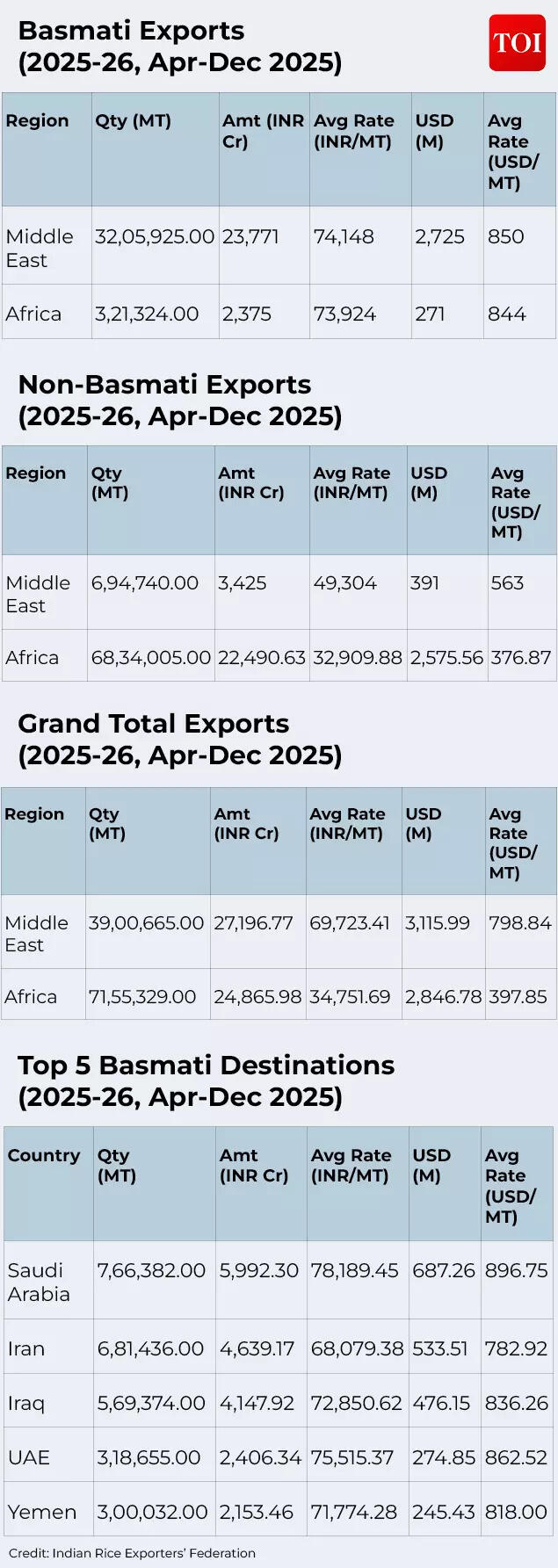
However, if rice is your staple, you are in for good news. Rice prices might soften as exports from India to Iran and other Gulf countries face potential disruption.The Indian Rice Exporters Federation has advised its members not to enter into fresh CIF (cost, insurance and freight) commitments for Iran and Gulf destinations. Instead, exporters have been urged to conclude deals on FOB (free on board) terms, ensuring that freight, insurance and related risks are borne by the international buyer rather than the Indian seller.
Kaaju – badam may be expensive!
The long-drawn conflict between USA-Israel and Iran, which came to a flash point on Saturday, along with the parallel war between Afghanistan and Pakistan, has cast a shadow over the import of nuts and dried fruit to the country.India imports figs, almonds, pistachios, raisins, saffron and apricots from Iran and Afghanistan. Dry fruit prices have been rising since the US first attacked Iran in June 2025. In October, Pakistan stormed Afghanistan, causing disruption in supplies to India. Saturday’s developments in the Middle East are expected to aggravate shortages further.Wholesalers and retailers across APMC Vashi, Crawford Market, Masjid Bunder and Malad report steady price escalation.“Supplies of dry fruit and nuts may be entirely halted and we will have to manage with existing stock. Already, despatches from Afghanistan are being routed through Iran port since direct shipments via the Wagah Border in Amritsar were halted in the wake of the India-Pakistan conflict two years ago. The closure of this lone Iranian route will choke off arrivals completely,” said Vijay Bhuta, president, Mumbai Dryfruit and Date Merchants Association, and director, APMC.Bhuta estimated the price rise at around 5%, but other traders flagged sharper increases.Baban Pawar of A-1 Dryfruit, Crawford Market, told TOI, “Iranian imports like pista, apricot, mamra badam and saffron are costlier by 20-30% on average, even double in certain cases. The wholesale rate of mamra almond has risen from Rs 1,800 in Oct to Rs 2,800 per kg today. Irani pista has gone up from Rs 840 to Rs 1,300. Irani apricot was Rs 750 in Dec 2025, now it is Rs 1,400. Consumers who were buying one kg are now buying quarter kg. Sale is down by 50% since 2025.”
And your sweet tooth might cost more
Bulk buyers, including sweetmeat makers, hotels and restaurants, bakers and confectioners, dairies, snack makers, caterers, home chefs, the processed food industry and even cosmetics manufacturers, are expected to feel the impact.Vicky Jaisinghani of A-1 Sweets, Ulhasnagar, said, “Imported Pishori pista has gone up from Rs 2,600 to Rs 3,400 per kilo. Iranian pista was Rs 1,650, it is now Rs 2,400. But we have to buy because our mithai will not retain its taste unless we use Pishori pista.”Mayur Shah of Pravinchandra & Co. in Masjid Bunder said, “We have not hiked our rates, but may do so once existing stocks are over. Cashews are sourced within India while almonds also come from California. But imported anjeer, pista, saffron and apricots will be impacted. It will affect the wedding season which will peak soon.”
Cooking oil feels the heat
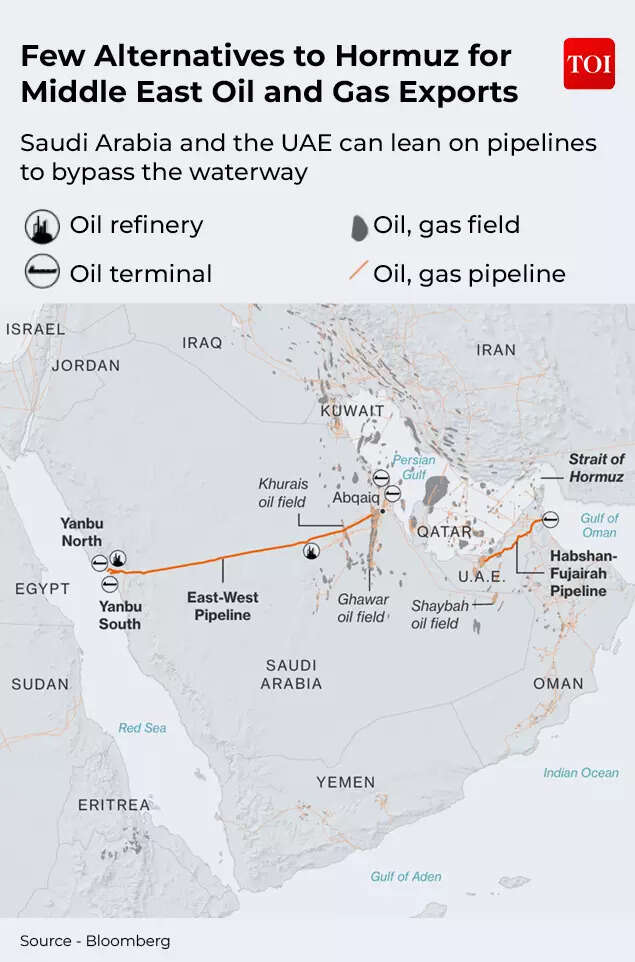
Cooking oil prices have started edging higher, with wholesale rates already rising by up to 5% on Monday after soyabean oil futures in Chicago and palm oil contracts in Bursa Malaysia and Indonesia rallied in line with the spike in crude oil.The link is indirect but significant. When crude oil prices climb, more soyabean and palm oil is diverted towards biodiesel production, tightening the volume available for food use. The recent rise in crude prices amid the Middle East tensions has therefore lifted demand for these edible oils as biodiesel feedstock, putting upward pressure on prices.“Although cooking oils we import are not using the Middle East shipping routes, neither do they originate from this region, the rally in cooking oil prices was linked to the rally in crude oil prices,” said Nirav Desai, managing partner at GGN Research.Market participants say buying activity has already picked up on fears of further increases. “Although it was a lean period, we saw an increase of 3-5% in demand for oil on Monday,” said Shankar Thakkar, secretary (Maharashtra) at the Confederation of All India Traders.Retail prices typically take a few weeks to reflect movements in the wholesale market, suggesting consumers may see the impact on store shelves with a lag.
What else?
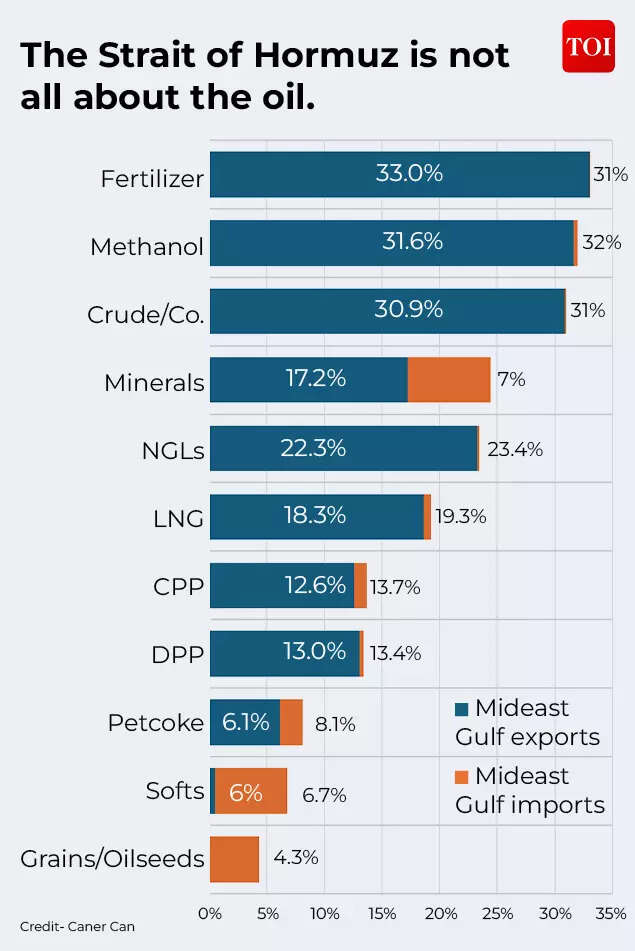
Apart from Indian kitchens, household expenses in general might also rise. Crude oil and its derivatives remain a key component in the cost structure of everyday consumer goods such as detergents, biscuits, toothpaste and paints, as well as packaging materials. Petrochemical inputs are widely used in products ranging from soaps, shampoos and creams to hair oils, bottles and tubes, accounting for over a quarter of input costs for FMCG companies and about 40% for paint makers.