
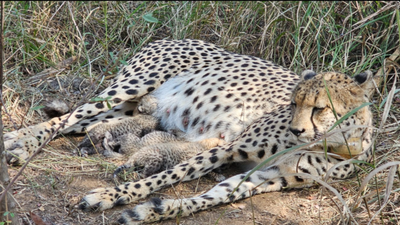
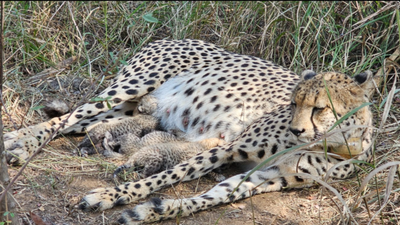
The return of the cheetah to India has reached another milestone. Three years after the ambitious reintroduction began, Kuno National Park has recorded the birth of three more cubs, pushing India’s total cheetah population to 38. Union Minister for Environment, Forest and Climate Change Bhupender Yadav announced that Gamini, a South African cheetah relocated to India under Project Cheetah, has given birth to three cubs. With this, the number of surviving Indian-born cheetah cubs has risen to 27, and the country has recorded its ninth successful litter on Indian soil.
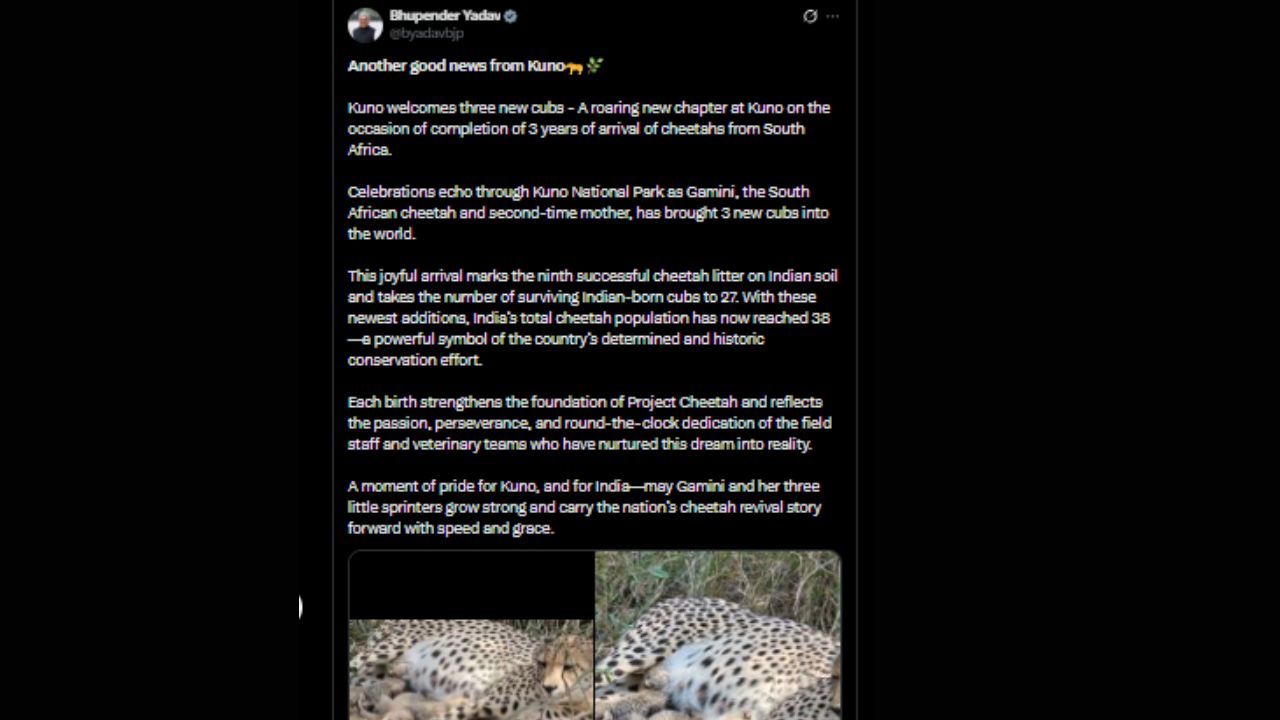
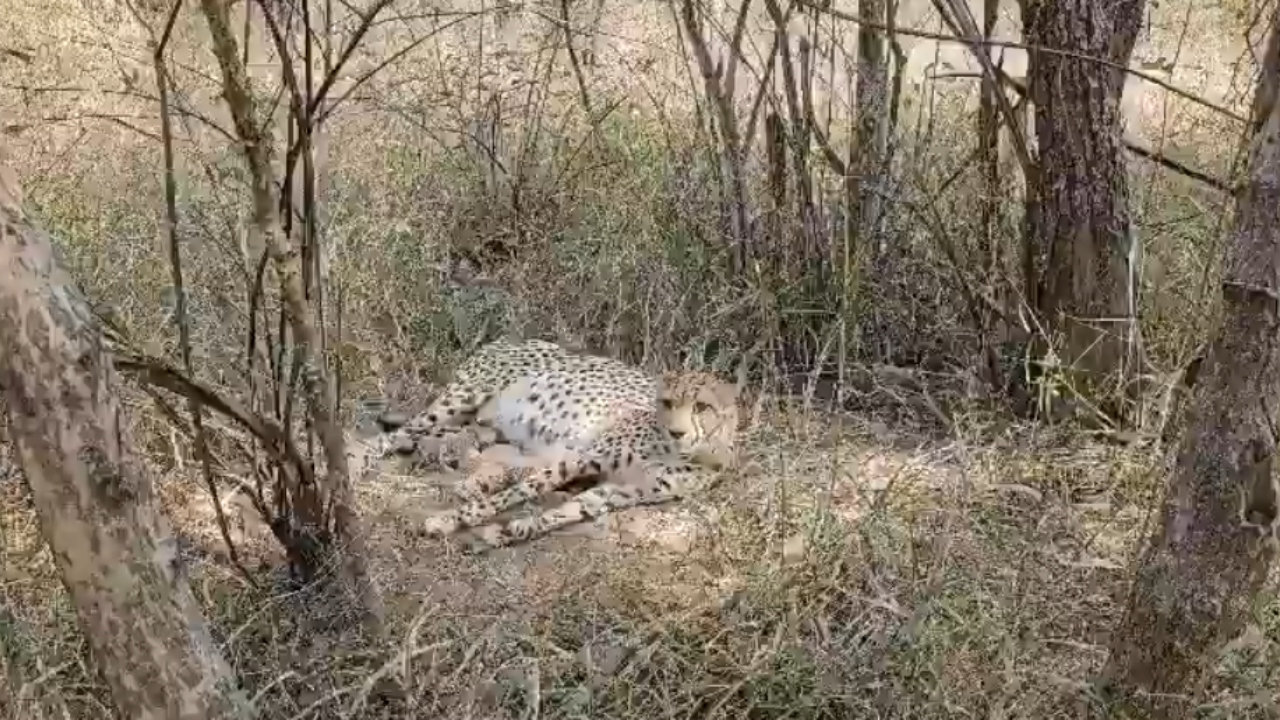
This is the second time Gamini has become a mother of 3 cubs, which is a significant sign that the big cats are not only adapting, but are breeding successfully in their new habitat.
A landmark conservation effort
The latest births coincide with the completion of three years since cheetahs were brought from South Africa to India as part of an unprecedented wildlife experiment. In 2022–23, India completed what has been described as the world’s first inter-continental translocation of a large carnivore, relocating 20 cheetahs from Namibia and South Africa.Read more: This major river flows entirely within Uttar Pradesh: Know which one and the legends associated with it The project aims to revive the cheetah population in India. Prime Minister Narendra Modi on September 17, 2022, personally released the first 8 cheetahs into the wild at Kuno, marking an important milestone in India’s history of animal conservation. Since then, the animals have been intensively monitored by forest workers, wildlife managers, and vets to ensure that they adapt to their new surroundings in Madhya Pradesh.
Why this birth matters
Every successful litter strengthens confidence in Project Cheetah. Reintroduction programmes are complex and risky, especially when involving apex predators. Survival depends on habitat suitability, prey availability, disease management, genetic diversity, and careful long-term monitoring.In his social media post on X, Minister Yadav described the moment as “a moment of pride for Kuno, and for India,” expressing hope that Gamini and her cubs will grow strong and carry forward the country’s cheetah revival story. The cheetah was once found in large numbers in the grasslands of India, but it became extinct due to hunting and habitat destruction. For several decades, the absence of the fastest land animal on earth represented a void in the Indian environment. Read more: How this traveller pulled off an international trip after her dog chewed her passport 12 hours before the departureProject Cheetah aims to fill this void in the Indian environment. Going beyond the symbolism of conservation, the project aims to bring back the grasslands, increase biodiversity, and create sustainable eco-tourism opportunities in central India. The road to success has not been smooth. Translocation of large carnivores over continents is a rare and complex scientific process. Acclimatization, prey base, and protection from human conflict are constant challenges. However, the increasing number of Indian-born cubs is an indication that the base of the project is being strengthened. With 38 cheetahs in the country and nine successful litters, the dream of establishing a stable and self-sustaining population seems well within reach.