
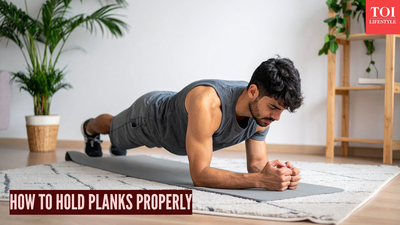
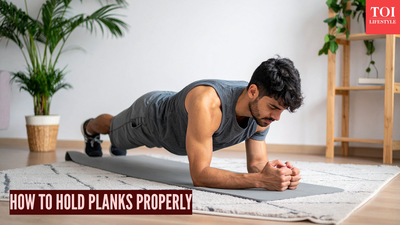
Planks seem simple, right? Just hold still and let the burn build. But pushing to two full minutes feels impossible when your shoulders scream and core quakes after 45 seconds. Plenty of people crush this goal, though, turning shaky starts into steady powerhouses with a few smart habits. It’s less about raw strength and more about form tweaks, breath control, and steady practice that stacks up over weeks.
Nail the basics first
Drop to forearms shoulder-width apart, elbows stacked under shoulders for that solid base. Keep your body straight like a board from ears to ankles, glutes and quads clenched to stop any hip dip or pike. Head neutral, gaze down, no straining neck. Breathe deep through your nose, exhale slow out the mouth, never hold it. This oxygenates muscles, delaying that lactic acid wall, as noted in endurance research from the Journal of Strength and Conditioning Research.Film your first tries or use a mirror to spot cheats like sagging. Begin with three sets of 20-30 seconds daily, one-minute rests in between. Add 10 seconds per week. NIH guidelines on core stability stress perfect alignment prevents lower back strain-and lets you scale up faster.
Build endurance smartly
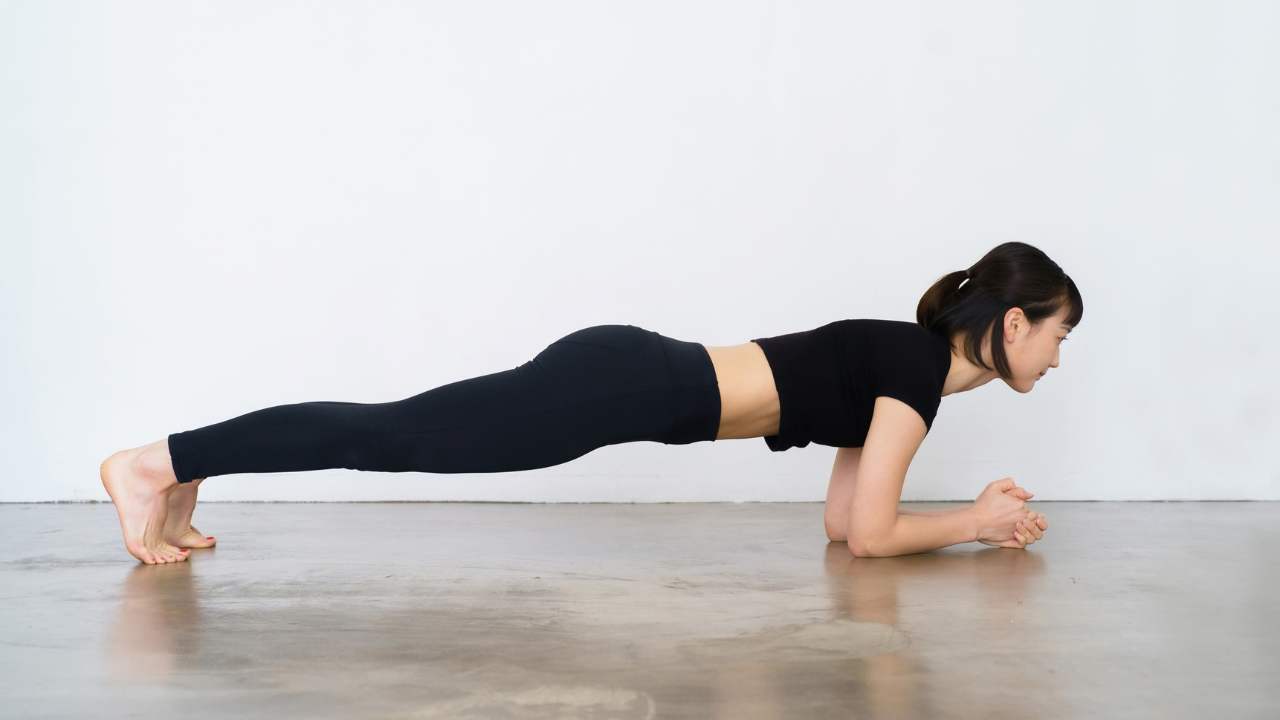
Don’t chase time right away; intervals work wonders. Try plank ladders: 20 seconds on, 10 off, five rounds. Bump it next time. Frontiers in Physiology reviews show this method boosts isometric hold times by training fatigue resistance without overkill. Rotate forearm planks with hand versions to engage varied muscles and dodge boredom or overuse.Off-plank drills like dead bugs or bird-dogs fire up deep abs first, per ACE Fitness studies. Hit these 3-4 days weekly for 10 minutes. Fuel right too, with protein shakes or meals post-session to mend fibers quicker. Stay hydrated; even mild dehydration from a Journal of Applied Physiology study slashes endurance by 15 percent.
Mind tricks to push limits
Past one minute, it’s 80 percent brain. Chant “core tight, breathe easy” in your head. Picture an unbreakable line through your body, or count breaths to blur seconds. Crank music or a podcast; distraction steals focus from the shake, a mental toughness tactic from sports psych research in Frontiers in Psychology.Once comfy at 60 seconds, layer on taps or leg lifts while holding form. Morning sessions when fresh, as circadian rhythm studies from NIH suggest, prime nerves for peak holds. Journal everything: hold time, feel, notes. Progress from 45 to 90 seconds on paper keeps you hooked.
Common pitfalls-and fixes

Shake signals form fade or fatigue, not defeat. Knee-drop, reset, resume. Skip bouncing; stay rigid. Wrist woes? Forearms or handles. Tight hips plague many, so stretch flexors after, easing into longer holds. Rest 1-2 days between hard sessions to avoid burnout, per recovery data in Sports Medicine.Sharp pain? Stop and adjust or consult a pro. Daily five-minute consistency beats rare marathons. In four weeks, two minutes lands easy, sharpening runs, lifts–and posture.Mastering planks builds grit beyond the mat. Follow these, mark wins–and own that two-minute plank. One breath, one hold at a time.


