
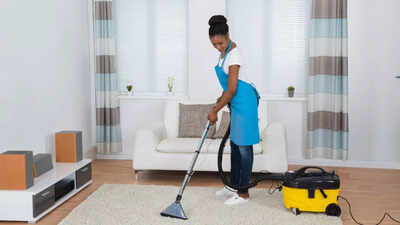
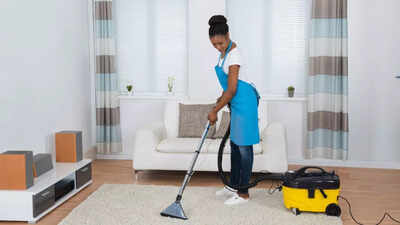
Keeping your home clean is important, but did you know that common cleaning products could be silently damaging your lungs? While smoking is often seen as the biggest threat to respiratory health, research suggests that the chemicals in everyday cleaners may be just as harmful, especially for women. Harsh agents like bleach and ammonia can irritate the airways, leading to long-term inflammation, asthma, and even permanent loss of lung function. Over time, this damage can be as severe as smoking daily. Understanding these hidden risks is key to protecting your lung health while maintaining a safe, hygienic home.
Cleaning products vs smoking: Which is worse for your lungs
When it comes to lung disease, smoking is often considered the biggest threat. But surprising research shows that cleaning habits could be just as harmful. A study from Norway, published in the American Journal of Respiratory and Critical Care Medicine, followed more than 6,000 people over 20 years to study the effects of cleaning products on respiratory health.The results were alarming. Women who cleaned regularly—either at home or as part of their job—experienced a much faster decline in lung function compared to women who didn’t clean as often. In fact, the damage was similar to smoking a pack of cigarettes every day for 20 years. Interestingly, the same effect was not found in men, suggesting women may be more vulnerable to the harmful effects of cleaning products.These findings raise an important question: are the products you use to keep your home clean silently damaging your lungs?
Harmful cleaning chemicals that damage your lungs
The study highlighted that strong cleaning agents such as bleach, ammonia, and other chemical disinfectants were the biggest culprits behind declining lung health. These products irritate the delicate lining of the airways, and repeated exposure can lead to serious problems.Continuous use of these chemicals has been linked to asthma, chronic airway obstruction, and long-term respiratory damage. Cancer experts at the Moffitt Cancer Center also warn that constant irritation and inflammation from cleaning products may even cause cell changes that increase the risk of cancer.Women who cleaned more frequently were also found to have a higher chance of developing asthma, while men did not show the same pattern. Researchers believe this could be due to biological differences, longer exposure times, or even occupational roles where women are more often exposed to household chemicals.Simply put, while cleaning is essential for hygiene, chemical-heavy cleaners may be putting your long-term respiratory health at risk.
How constant irritation leads to lung problems
Each time you inhale fumes from sprays or powders, tiny chemical particles reach the small airways inside your lungs. These irritants trigger an immune response, causing swelling and inflammation.If this happens occasionally, your lungs can usually recover. But when exposure happens regularly—week after week and year after year—the lungs struggle to heal. This leads to scarring, narrowing of the airways, and a steady decline in lung function.Over time, this damage can cause breathing difficulties, wheezing, or persistent coughs. In the Norway study, researchers measured how much air participants could forcefully exhale in one second, and found that women who cleaned often had a significant drop in this measure—a clear sign of reduced lung capacity.This shows that the harm from cleaning products doesn’t happen overnight but builds up silently, leading to lasting changes in the lungs.
Simple and safe cleaning tips to protect your lungs
The good news is that you don’t have to stop cleaning altogether to protect your respiratory health. By making a few small changes, you can reduce exposure to harmful chemicals and still maintain a clean home.
- Choose
natural cleaning products : Simple options like vinegar, baking soda, and lemon can work as effective alternatives to bleach or ammonia. For scrubbing, everyday items such as salt or steel wool pads are safe and effective. - Wear a mask while cleaning: A protective mask can block tiny particles and fumes, helping you breathe easier while using sprays or powders. Even a basic disposable mask can provide some protection.
- Improve ventilation: Always open windows and doors when using cleaning products. Good airflow helps remove chemical fumes from your indoor air before they can harm your lungs.
- Avoid spray cleaners: Aerosol sprays release fine particles into the air that are easily inhaled. Liquid cleaners or wipes are safer alternatives.
By switching to natural cleaners, wearing protection, and ensuring ventilation, you can safeguard your lungs from long-term harm while keeping your home fresh and hygienic.Disclaimer: This article is for general informational purposes only and is not a substitute for professional medical advice, diagnosis, or treatment. Always seek the guidance of a qualified healthcare provider regarding any medical condition or lifestyle change.Also Read: 8 warning signs you’re consuming too much caffeine and the negative impact on your body