With Ramadan starting on Wednesday, February 18, the Roads and Transport Authority (RTA) has officially recalibrated the city’s pulse. To accommodate late-night prayers, family gatherings, and shorter office hours, Dubai’s transport network has shifted into high gear. Whether you’re chasing the sunset for Iftar or heading to the Masjid for Taraweeh, here is everything you need to know to stay on track.
Dubai Metro Ramadan timings 2026
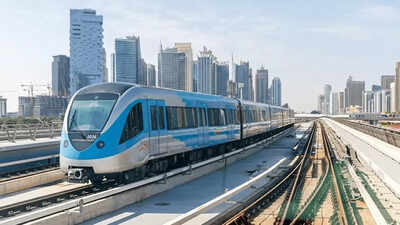
Dubai’s Roads and Transport Authority (RTA) announced the official operating schedule for the Dubai Metro during the holy month of Ramadan, reflecting the city’s altered daily routines and travel rhythms. The timings cover both the Red Line and Green Line services, designed to match shifts in commuting patterns as residents fast, pray and gather throughout the month.These revised hours apply from the start of Ramadan, which authorities confirmed will begin around mid-February 2026. Travel patterns will adapt rapidly once fasting begins.
| Service Day | Dubai Metro (Red & Green Lines) | Dubai Tram |
| Monday – Thursday | 5:00 AM – 12:00 Midnight | 6:00 AM – 1:00 AM (Next Day) |
| Friday | 5:00 AM – 1:00 AM (Next Day) | 6:00 AM – 1:00 AM (Next Day) |
| Saturday | 5:00 AM – 12:00 Midnight | 6:00 AM – 1:00 AM (Next Day) |
| Sunday | 8:00 AM – 12:00 Midnight | 9:00 AM – 1:00 AM (Next Day) |
These adjusted hours help residents navigate a month where early mornings and late evening activities are more common, particularly around Suhoor (pre-dawn) and Iftar (sunset breaking of fast). The extended Friday night service until 1 am reflects the city’s social rhythm, as many events and prayers occur later in the evening.
Why do Metro hours change during Ramadan?
Ramadan alters daily life in Dubai: work schedules shift earlier, fasting affects peak travel times, and evening social and religious activities extend late into the night. The RTA says the updated Metro schedule ensures greater convenience and service alignment with people’s needs, especially around prayer times, sunset, and Iftar gatherings.Alongside the Metro, other transport services also feature updated timings:
Dubai Tram : Longer operations, especially evenings.- Public buses & marine transport: Check the S’hail app for day-by-day schedules during Ramadan.
These adjustments ensure public transport supports daily life throughout the fasting period and beyond sunset into the night.
Parking and salik
Parking in Dubai has received a thoughtful “Iftar Break.” For 2026, the RTA has implemented a two-shift payment system for all paid zones from Monday to Saturday. This is designed to give your wallet a rest exactly when you need it most.
| Feature | Schedule / Rate | Critical Note |
| Paid Parking (Mon-Sat) | 8:00 AM – 6:00 PM (Shift 1) | FREE 6:00 PM – 8:00 PM |
| Paid Parking (Mon-Sat) | 8:00 PM – 12:00 Midnight (Shift 2) | Resumes after Iftar |
| Sunday Parking | FREE ALL DAY | Does not apply to multi-storey |
| Salik Tolls (Mon-Sat) | AED 6 (9 AM – 5 PM) | FREE 2:00 AM – 7:00 AM |
| Multi-Storey Parking | Paid 24/7 | No free windows apply |
As for Salik (Tolls), the peak hour rate of AED 6 applies from 9:00 AM to 5:00 PM. Outside these hours, it drops to AED 4, and it is completely free between 2:00 AM and 7:00 AM, which is perfect for those traveling for early Suhoor.
Looking ahead
As Ramadan reshapes daily life across the city, Dubai Metro’s revised schedule ensures residents and visitors can move smoothly from early morning commutes to late-night gatherings. With extended Friday hours and adjusted weekday services, the new timings reflect the rhythm of the holy month, balancing work, worship and family time. Commuters are advised to plan journeys in advance and check official updates from Dubai’s Roads and Transport Authority to avoid last-minute rushes during peak Iftar hours.