
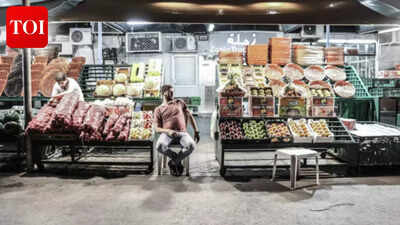
Amid the ongoing regional conflict, and escalating war between Iran-US-Israel, UAE has been grappling with numerous problems being faced by the authorities and citizens alike. While public safety and board exam schedules were already looming as consistent troubles, a recent hike in vegetable prices has darkened the cloud of doom for the public. Residents in the UAE have been reporting sudden fluctuations in the price of vegetables and other commodities in recent days. But now, the Ministry of Economy and Tourism has made moves to intensify monitoring efforts to control the prices in the market. As per the ministry, the prices of some commodities like tomatoes and onions have seen a temporary rise in the past two days due to the effects of the ongoing regional crisis.
Residents report a sudden rise in prices

A resident of Al Quoz, Rishaad Ahmed, said he was concerned to find tomato prices have reached Dh10 per kg at his neighbourhood supermarket. “It was just Dh5 last week, and onion prices also increased to Dh7, compared with Dh4 the previous week. When I read the news that the minister acknowledged the price increase, I was very relieved. I’m also glad to note that additional quantities have been supplied. This will surely bring the prices down,” he told Khaleej Times. Abdulla E., a resident of Dubai added that he had been visiting the Al Aweer market since the beginning of the unrest and had observed prices fluctuating slightly. “Some fruits and vegetables had seen a steep increase in the first few days of the regional tensions,” he said. “However, since the ministry began its inspections, the prices have regularised. I am grateful that the monitoring is in place.”The only commodity, he added, that did not see a price increase was eggs, which he claimed could be because they are sourced from local farms. “It highlights the UAE’s commendable efforts at increasing local production.”
UAE authorities take swift action
Responding to the complaints and observations, the ministry stressed that additional quantities of the affected commodities have already been supplied to markets in “abundant” amounts to ensure a stable supply. The markets will see normal price levels as supply continues to increase, said the authority. Specialised inspection teams are now conducting daily field visits in coordination with the economic development department across the UAE through a joint national monitoring team aimed at preventing unjustified price hikes. Nine key commodities including cooking oil, eggs, dairy products, rice, sugar, poultry, legumes, bread and wheat are to have consistent prices at all times. Their prices cannot be increased without prior permission from the ministry itself. Officials added that the UAE maintains a strategic stockpile of essential goods capable of covering market needs for up to six months, helping ensure the availability of key commodities along with price stability even during times of emergencies. Since the beginning of the regional crisis, the ministry has conducted about 7,105 inspection tours, in cooperation with local economic development departments across the emirates. The authorities detected 567 violations notably related to unjustified price increases.
Local companies join the effort

Local companies across the country have joined the effort to ensure the continuation of the supply chain. They are assuring customers that there is a steady supply of fresh produce at the markets. NRTC Group, part of the Ghitha Holding, has activated a quick operational response centred on diversified sourcing, logistics planning and rapid procurement since the beginning of the unrest. Mohammed Al Rifai, CEO of the group said that consumers should continue to find fruits and vegetables on shelves as they would on a normal day: from berries to beans, plums to potatoes and cherries to chillies. “Our teams have worked proactively to secure supply from both regular and alternative sources to ensure stability and availability,” he said.The company has imported an estimated 3,000 tonnes of produce from Jordan, Türkiye, Syria and Egypt through land corridors in the past week. Moreover, it has transported 200 tonnes of produce through air freight and 1,200 tonnes via the ports of Khor Fakkan and Fujairah. LuLu Group also airlifted 80.000kg of Indian produce including fruits, vegetables and other perishables in Abu Dhabi on March 7. Recently, several other retailers said they were arranging special cargo operations from other key global markets to ensure a steady flow of products into the country.
Violators to face tough fines
On March 8, the UAE’s Ministry of Economy and Tourism said that it has carried out about 4,468 inspection tours in markets in cooperation with the Department of Economic Development, which resulted in the detection of 554 violations. As a result, 449 warnings were issued to traders, suppliers and sales outlets while financial fines totalling Dh176,000 were imposed on the defaulters. This was announced during an extensive field tour conducted by Abdullah bin Touq Al Marri, Minister of Economy and Tourism and Chairman of the Higher Committee for Consumer Protection of Al Awir Central Vegetable and Fruit Market in Dubai.
What does this mean for UAE residents?
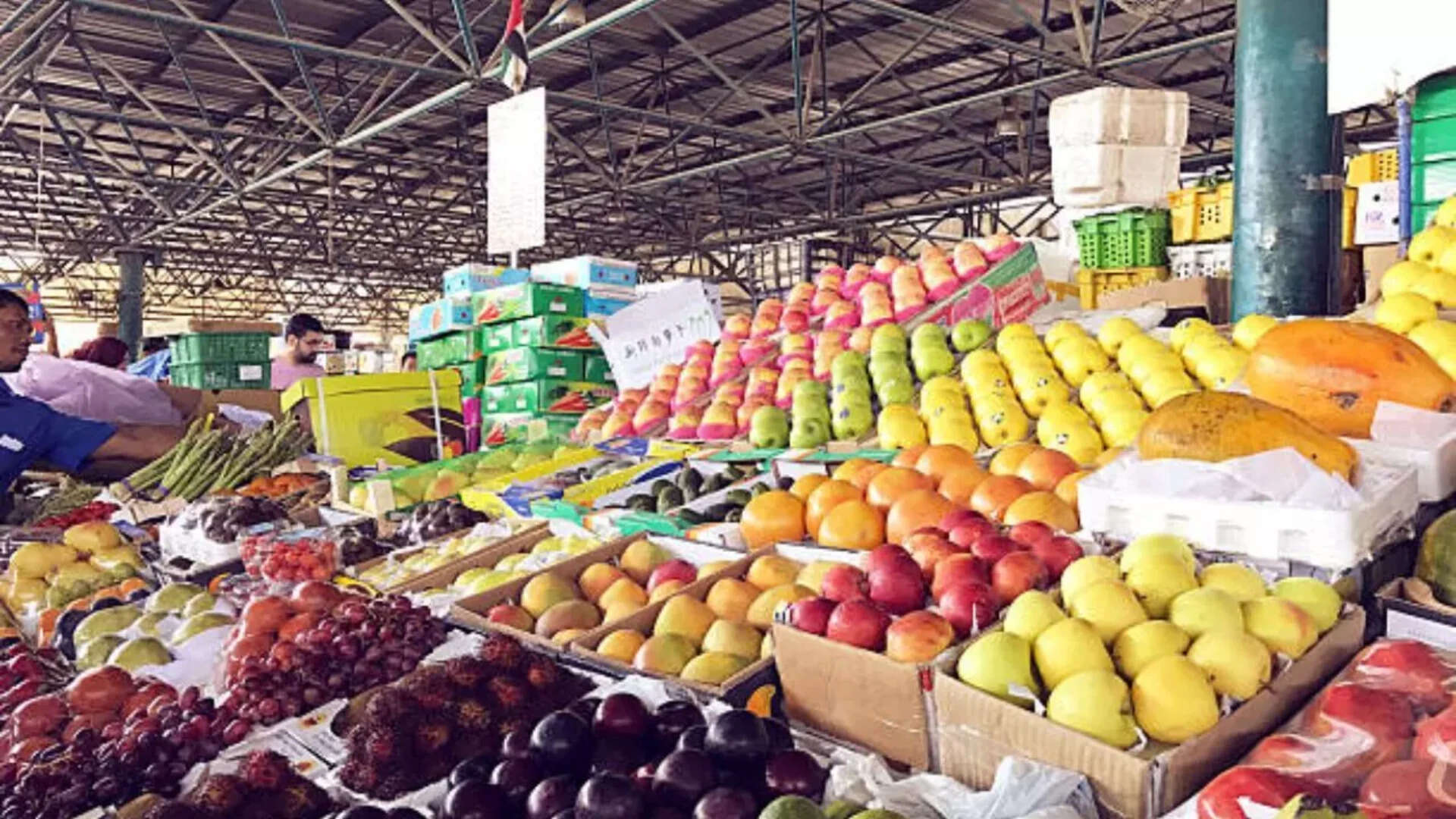
The ministry’s efforts and inspections along with the food imports from the local companies are all aimed at ensuring a consistent supply of fresh produce and other perishables for the civilians. UAE imports a significant share of its food which makes a network of efficient logistics for daily grocery supply necessary. Officials and industry experts have also pointed to the country’s larger food safety policy maintained through diverse source markets and supply routes to ensure steady imports, even at times when a larger portion of the airspace remains shut down or limited.