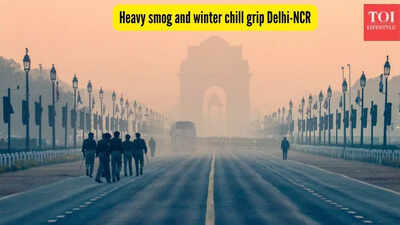
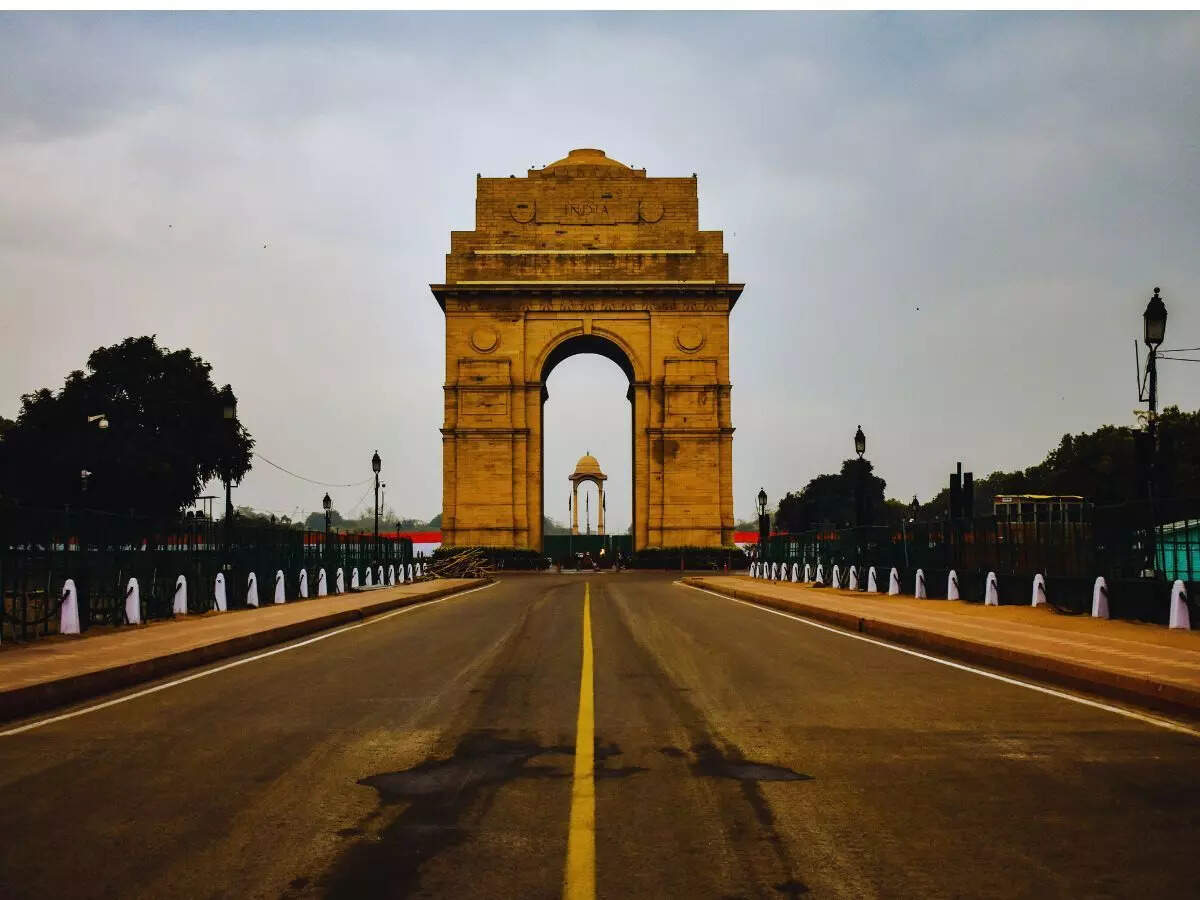
On the morning of December 13 (Saturday), Delhi-NCR residents woke up to heavy smog. The deteriorating air quality as winter weather conditions combined with pollution emissions to push the Air Quality Index (AQI) close to ’severe’ levels. Air pollution readings at many stations are dangerously high, posing major health risks. The persistent smog has also led to visibility issues in the early morning. As per data from the Central Pollution Control Board (CPCB), the Air Quality Index (AQI) was at 390 (very poor) category. At many places AQI was recorded ‘severe’. Anand Vihar (AQI- 435)Burari Crossing (AQI- 415)Chandni Chowk (AQI- 419)Jahangirpuri (AQI- 442)Fog and Cold

Along with smog, the regions are also experiencing cold morning temperatures and winds. This has created perfect conditions for dense early-morning fog and smog formation. The India Meteorological Department (IMD) forecasts continued fog through the weekend, with low temperatures ranging from 8°C to 12°C at night and mild daytime. This time winter in Delhi is surprising. It’s December 13 and the capital is still waiting for the season’s (in) famous “Dilli ki sardi”. On Saturday morning, the temperature stood at 11.6°C at 6 am. It was extremely foggy though. As per IMD, the maximum temperature in the national capital is likely to remain around 25°C. The authorities have issued a warning for light to dense fog during this period.This combination of cool air, low wind speed, and moisture not only reduces visibility but also prevents dispersion of harmful pollutants, allowing particulate matter (PM2.5 and PM10) to accumulate. Impact on health and daily life
The pollution is not only affecting kids and old but is also having a negative impact on a perfectly healthy individual. With air quality in the very poor to near-severe range, residents with respiratory conditions and other health problems are facing increased risk of health-related problems. The present weather is causing redness in the eyes, coughing, and aggravated asthma, among others. Government responseTo address the challenging air quality trends, the Commission for Air Quality Management (CAQM) has set up a specialised Expert Committee. It is being led by prominent environmental and academic experts. They have been given the task of developing strategy recommendations for reducing pollution across the regionResidents are advised to:Monitor local AQI and alerts.Limit outdoor exposureAvoid strenuous activities outdoorsUse air purification systemsUse protective maskAs winter deepens, meteorologists warn air quality may worsen further this weekend.