
Could peanut shells power your devices? Scientists convert farm waste into high-quality graphene for batteries |

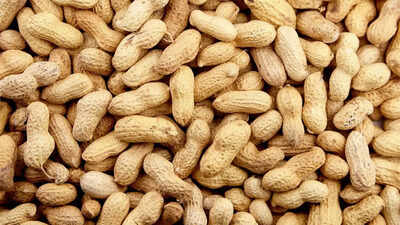
Revolutionising the synthesis of graphene as an alternative to conventional graphite for lithium-ion batteries, UNSW Sydney scientists have created a highly efficient and cost-effective method for transforming low-value peanut hull waste stockpiles into high-quality graphene for batteries through innovative flash Joule heating technology. The process produces super-conductive graphene nanomaterials in just seconds and could dramatically…

Read More

From crypto to crops: Bitcoin mining heat warms a Dutch greenhouse for growing tulips |

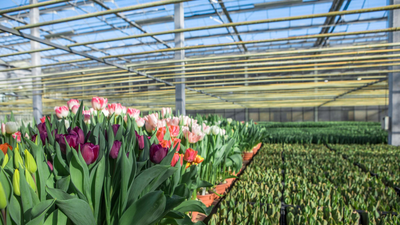
Dutch greenhouse growing tulips In a greenhouse on the outskirts of the Netherlands’ flower-growing regions, rows of tulips bloom in a climate controlled not only by traditional horticultural equipment but also by humming cryptocurrency computers. Instead of allowing heat generated by Bitcoin mining machines to dissipate into the air, farmers and engineers have begun redirecting…

Read More

This Antarctic Hektoria glacier retreated 8 kilometres in just 60 days and shocked scientists |

A ‘lightning-fast’ melting event astonished the scientific community when researchers at the University of Colorado Boulder (CIRES) observed the collapse of the Hektoria Glacier in West Antarctica. In a period of only 60 days, the Hektoria Glacier receded 8 kilometres, the quickest observed ground retreat in recent history.“In a staggering display of glacial instability, an…

Read More

10 years in space: ISRO’s IRNSS-1F completes its 10-year mission life with lasting impact on NavIC |

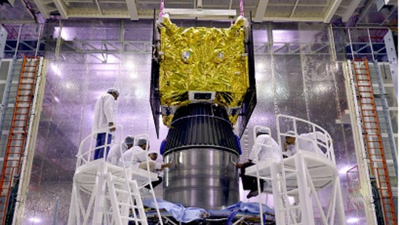
Imagine a satellite moving around the Earth for an entire decade without any sound, sending precise location details to millions of people on the Earth’s surface. IRNSS-1F, one of India’s navigation satellites, completed its 10-year design mission life on March 10, 2026, marking a key milestone for the country’s regional navigation system. The Indian Space…

Read More