

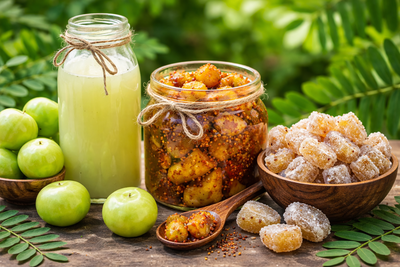
Amla, or Indian gooseberry, has long been treated as a quiet powerhouse in Indian kitchens. Rich in vitamin C, antioxidants, and plant compounds that support digestion and immunity, it appears in many forms, fresh juice, tangy achaar, and sweet candy. But while all three come from the same fruit, their nutritional impact on the body is very different. The question isn’t just which tastes better, but which form actually delivers the most benefit. Scroll down to read more…Why absorption matters more than labels Nutrition doesn’t work on paper. What matters is not how much vitamin C or antioxidants a food contains, but how much your body can absorb and use. Processing, heat, salt, sugar, and fat all influence this. With amla, the form you choose can either protect its nutrients or quietly reduce them.
Amla juice : Fast but fragile
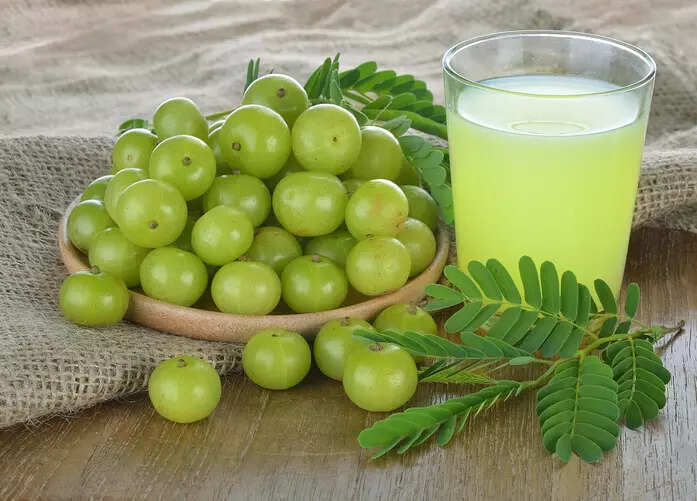
Fresh amla juice is often seen as the purest option – and nutritionally, it comes closest to the raw fruit. It is rich in vitamin C, polyphenols, and organic acids that support immunity, iron absorption, and skin health.Pros:Amla juice offers quick absorption. Since it’s already broken down, nutrients enter the bloodstream faster. When taken on an empty stomach, it can support digestion, stimulate liver function, and improve iron uptake from meals later in the day. Cons:Vitamin C is heat and air-sensitive. Packaged amla juices often undergo pasteurisation, which reduces potency. Fresh juice also lacks fibre, which means blood sugar may rise slightly faster. For people with sensitive stomachs, raw juice can feel acidic if consumed daily. Best for:People seeking immunity support, better iron absorption, or short-term therapeutic use.
Amla achaar : Slow, steady, and underrated

Amla achaar is rarely seen as a health food, but nutritionally, it deserves more respect. Pickling preserves amla in oil, salt, and spices – a combination that actually improves the absorption of fat-soluble antioxidants present in the fruit. Pros:The presence of oil helps certain phytonutrients absorb better. Spices like mustard, fenugreek, and asafoetida support digestion. Because achaar is eaten in small quantities with meals, it stimulates appetite and digestive enzymes without overwhelming the system.Cons:Vitamin C content drops during pickling and storage. High salt content means portion control is essential, especially for people with blood pressure concerns. Best for:Digestive support, gut stimulation, and long-term, low-dose consumption.
Amla candy : convenient but compromised
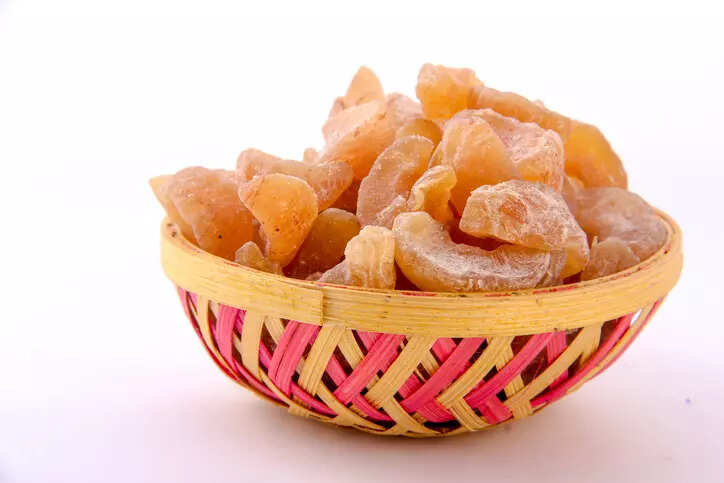
Amla candy is popular for its taste and shelf life, especially among children and people who dislike sour flavours. However, from a nutrition perspective, it is the most altered form.Pros:Candy still contains some antioxidants and trace minerals. It’s easy to consume regularly and can mildly stimulate digestion after meals. Cons:High sugar content reduces nutritional value and can blunt amla’s natural blood sugar–balancing effect. Drying and cooking significantly reduce vitamin C. The candy format shifts amla from a therapeutic food to a sweet treat. Best for:Occasional consumption, appetite stimulation, or replacing less healthy sweets, not for targeted nutrition.
Which one absorbs best?
•Fastest absorption: Amla juice•Best digestive synergy: Amla achaar•Lowest absorption value: Amla candy If absorption alone is the goal, juice wins. But absorption without balance can irritate digestion over time. That’s where achaar quietly excels – slower, steadier, and easier on the gut.
Which gives the most nutrition overall?
Nutrition is not just vitamin C. Amla’s strength lies in its antioxidant profile and digestive support.•Juice offers intensity, but less stability•Achaar offers durability and better long-term gut compatibility•Candy offers convenience, but diluted benefits For most people, a small amount of amla achaar with meals, combined with occasional fresh amla juice, delivers the best balance.
The smarter way to use amla
Instead of choosing one form exclusively, rotate them with intention. Use juice during periods of low immunity or fatigue. Use achaar as a daily digestive companion. Treat candy as a fallback, not a supplement. Amla works best when it blends into routine, not when it’s forced in excess. In nutrition, as in life, how you take something often matters more than what you take.