


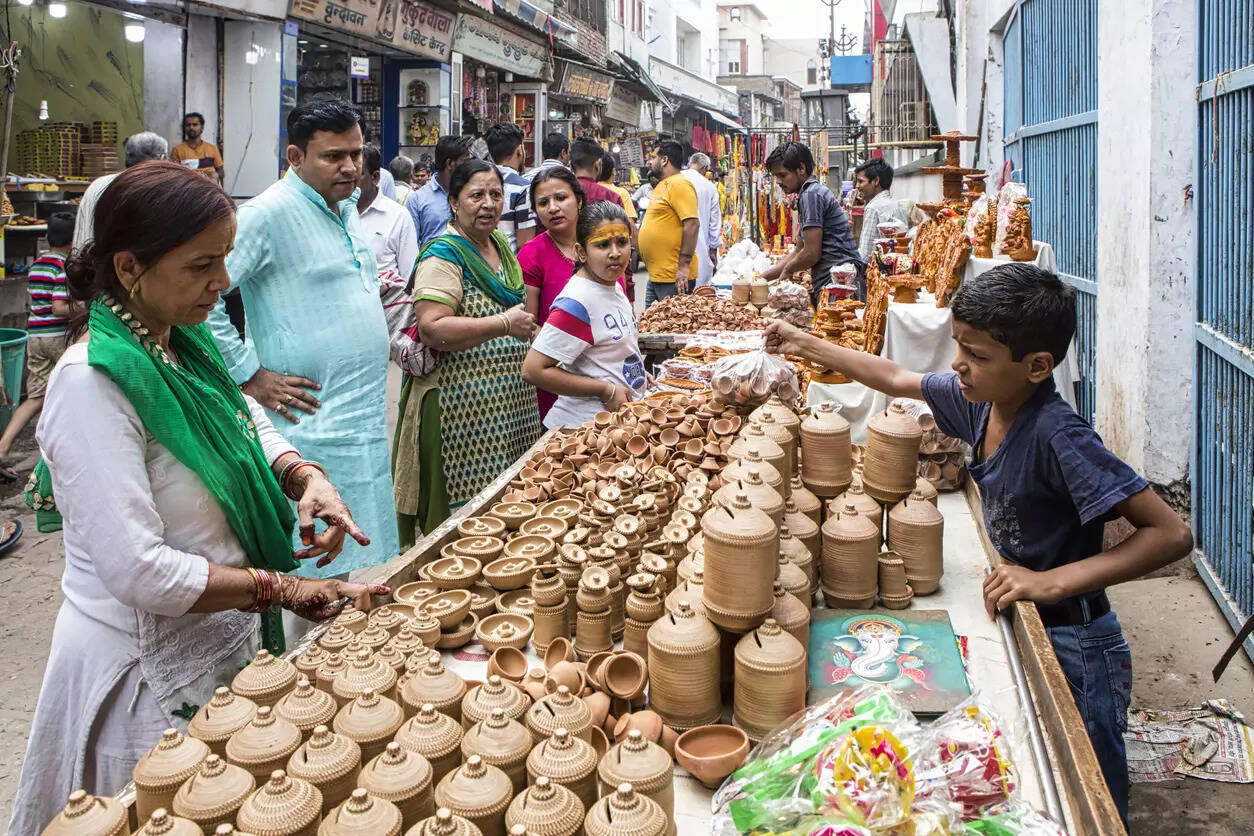
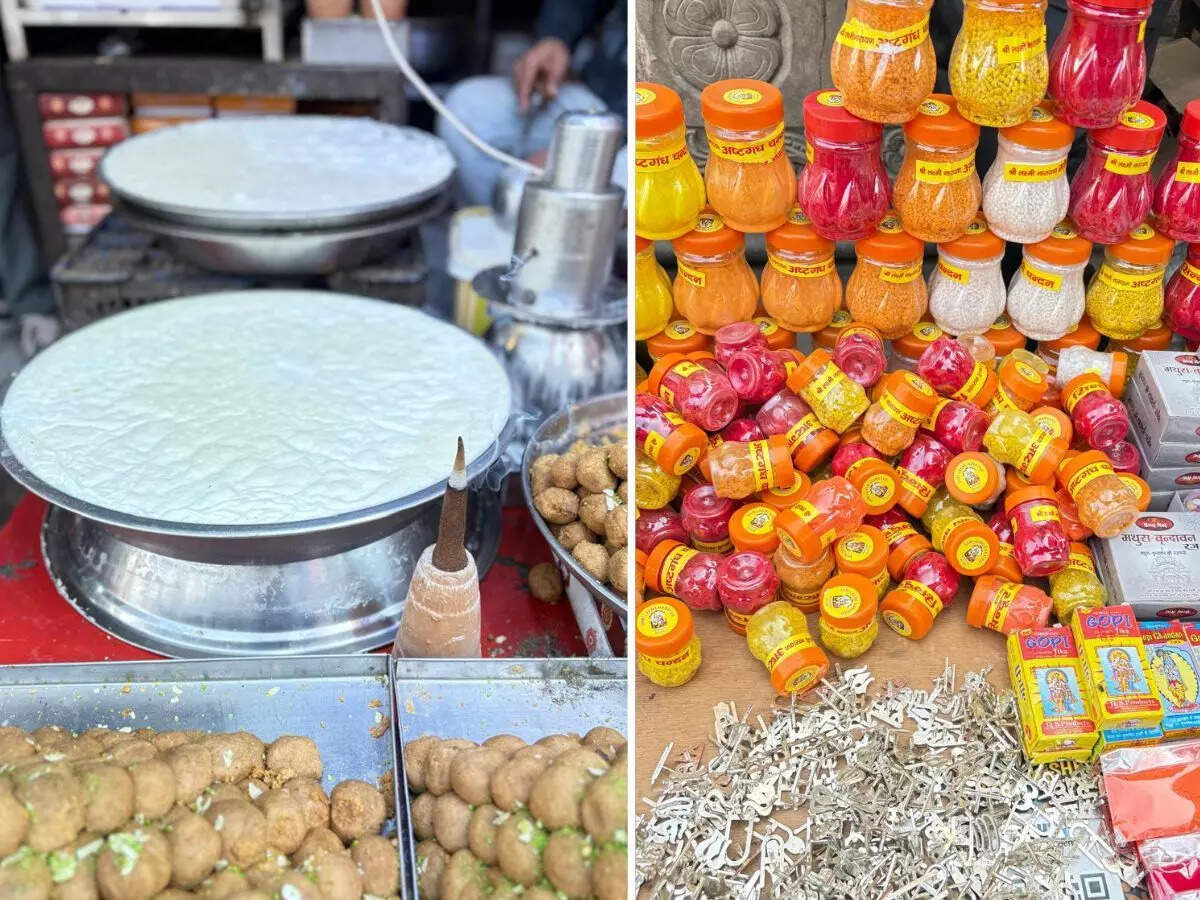
I only believe it because it happened to me. I visited the Banke Bihari Temple in Vrindavan almost sixteen years ago as a tourist, not a devotee. I carried only a general kind of faith then, the sort that lingers in the background of one’s upbringing. That trip was more a cheerful family outing than a pilgrimage. We explored Nidhivan, listened half-distractedly to tales of Radha and Krishna’s nightly leela, went boating on the Yamuna, saw the Kaliya Naag temple on its banks-unwilling to believe there was anything real about this legend, wandered through gaushalas, curiously watched an elephant bow and dance, walked on the sands of Raman Reti…not once thinking that this was probably the primeval playground of Little Krishna. We shopped more than we prayed and talked more than we remunerated. Vrindavan, with all its noise, devotion, and chaos, felt like a mystical carnival part holy, part human, entirely alive and so much fun.By evening, we reached the Banke Bihari Temple, the heart of Vrindavan’s devotion. The red sandstone temple looked pinkish in evening light and looked beautiful in its Rajasthani architectural style. The elaborate stone carvings and vibrant paintings depict Krishna’s leelas from the Bhagavata Purana. The temple is said to have been built in the 19th century by the Goswamis, the descendants of Swami Haridas. It is believed that Krishna came to saint Hridas in the shape of this idol which actually is both Radha and Krishna in a unique ‘tribhanga’ form. The idol is said to have been found somewhere around Nidhivan in the 16th century and remained there till the temple was built in 1862. The ‘tribhanga’ murti has three graceful bends and captures the very essence of playful divinity.
As we entered the temple, a large courtyard with black and white chess marbles awaited us and at the end of the courtyard was a silver door and behind it stood the dark idol…with deep, beautiful eyes. I thought He was looking at me. And then someone closed the curtain. And then the curtain opened again!
I stood there, utterly transfixed. My mind went completely blank, I couldn’t speak, couldn’t think, couldn’t even summon my usual long internal list of wishes that I’d rattle off in every other temple. Tears simply rolled down my face, unbidden and unstoppable. For those ten or twelve minutes, I was overwhelmed by a profound wave of love, something vast, tender, and utterly inexplicable. In my 20s, unmarried, cool-headed, and utterly pragmatic, this was so unlike me, so far from anything I’d ever known or expected. I failed to understand it then, and in a way, I still marvel at its mystery.
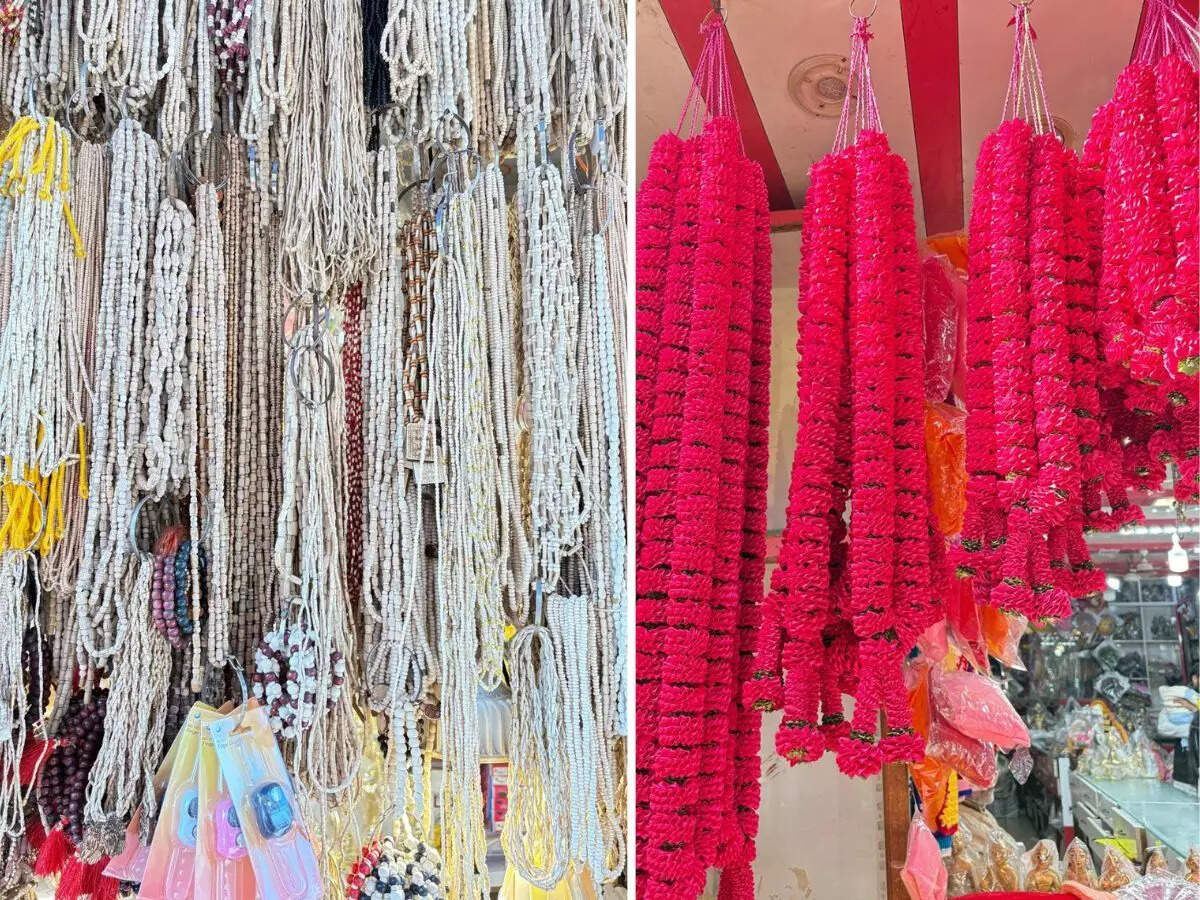
When we stepped out of the sanctum, a profound silence enveloped us all. None of us spoke for what felt like an eternity. My cousins neither of them remotely religious by any measure each confessed to feeling strangely light-headed, deeply emotional, and hushed, as if an invisible hand had gently stilled their hearts. Something ineffable, beyond words, had touched us collectively, weaving us into the same quiet rapture.
The secret of the opening and closing of the sanctum sanctorum curtainSome say Bihari ji’s gaze carries such enchanting, divine potency that devotees might faint or lose consciousness if exposed to it too long; the curtain offers merciful glimpses, protecting the heart from total surrender. Others say that the Lord, in His infinite tenderness, is so soft-hearted that overwhelming emotion from a bhakta could enchant Him right back risking that He might follow the devotee out of the temple, to the latter’s home. A third story holds that the pujaris shield Thakur ji’s playful childlike essence from the nazar, the evil eye, for He remains in a state of eternal, mesmerizing charm that could draw undue attention from the world outside. My heart, still trembling from that first encounter, wanted to believe every layer of these tales, for in their poetry, I felt the pulse of Vrindavan’s eternal leela come alive.
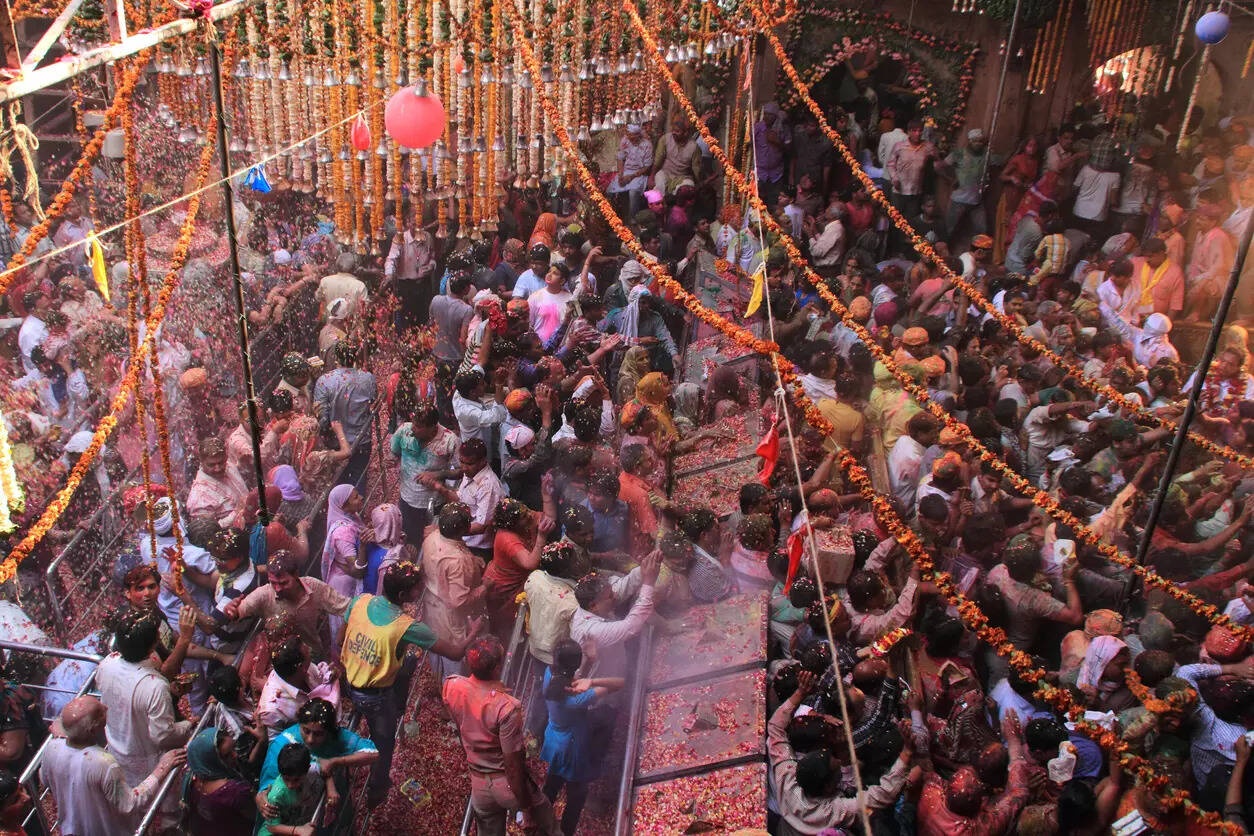
Since that day, I have returned to Bihari ji again and again, braving the crowd which seems to be increasing day by day. Each visit to the temple feels the same, my heart softens, my thoughts dissolve, and all I can do is stand before Him with folded hands, silent and grateful. I want to ask…but I cannot. The joy of seeing Him is too profound and complete. And that single sight—the moment when the curtain parts and His face appears, fills me with a love so immense that every worry fades, every question quiets. In that gaze, everything is complete.