
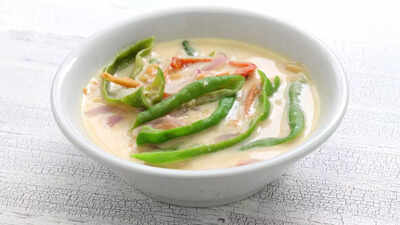
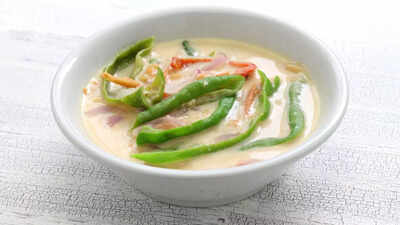
The cuisine of the Kingdom of Bhutan is simple, earthy, and very local, and Ema Datshi is the epitome of this culinary experience. This dish is known to be the national dish of the Kingdom of Bhutan, but it is more of a ‘feeling’ for the locals. The name of the dish says it all—‘Ema’ stands for chillies, while ‘Datshi’ stands for cheese. This dish is a synaesthesia of comfort food and ‘chilli heaven’. The main ingredient of this dish is nothing but green or red chillies Stir-fried in a highly nutritious cheese-based liquid. The most interesting factor regarding most dishes is the use of ‘heat’. Ema Datshi, being the spiciest dish, uses minimal spices. What this dish needs is your proper attention while cooking. If you love cooking local dishes of various cultures, this dish is a ‘must-do’. The major ingredient is readily available, and the cooking process is quite simple. You can make this dish right in your own kitchen.
What makes ema datshi special in Bhutanese cuisine

Ema Datshi occupies a unique position within the culinary traditions of Bhutan and is consumed on a daily basis. However, its uniqueness lies in the liberal addition of chillies. Here, the chillies are believed to be a vegetable, and the dish is an expression of the Bhutanese preference for hearty and healthy foods that offer comfort to the palate as well. The original recipe follows the use of yak cheese and originally contained its unique texture and strong flavours as well. However, the Western version ensures that the cheese that is utilised is available and does not change the essence of the recipe as well. Ema Datshi is mostly consumed with a red form of rice and is a favourite among all sections of the community, and that’s why Ema Datshi is a comfort food of the country Bhutan as well.
Ingredients you will need for Ema Datshi
It’s a good practice to collect all the ingredient details before proceeding to cook. The list of required ingredients is minimal, but each ingredient has a special use in this dish.
- Fresh green or red chillies (long chillies are the best)
- Onion, thinly sliced
- 2-3 cloves of garlic,
- Tomato, Sliced (optional)
- Cheese (Bhutanese Yak Cheese, feta, or processed cheese alternative)
- Butter or Oil
- Water
- Salt (As required)
Step-by-step procedure to prepare ema datshi1. Preparing the chilliesSlice cucumbers, cut tomatoes, and rinse chillies thoroughly, cutting them lengthwise. Remove seeds for reduced spiciness, or leave them as was done by our forebears, so that their original spiciness can be attained.2. Cooking the baseNow, heat a pan with a little butter or oil. Add water to it. Add sliced onions, garlic, tomatoes, and chillies. Leave it to simmer on a low flame for about 8-10 minutes, or till the vegetables are softened.3. Adding the cheeseAdd cheese to the pan after the chillies have been cooked. Stir carefully and let it melt slowly. The cheese has to mix with the water to create a gravy-like effect. It should not be thick.4. Adding seasoningsAdd salt to taste. Since cheese contains salt, it’s good to start with a small amount. Allow the mixture to simmer for another 3-5 minutes.5. Final touchOnce the cheese has melted and the gravy has turned smooth, you should switch it off. One should consume ema datshi when it’s hot.Tips to make authentic and tasty ema datshi
- Do not overcook the cheese because it can become rubbery.
- Use mild cheese if you are not tolerant of a sharp taste.
- Do not add spices like turmeric or garam masala, as they alter the original taste.
- You can adjust the number of chillies as per your preference for spiciness, but do not forget that this is where the whole point of this recipe actually lies.
How to serve ema datshiTraditionally, it is served with Bhutanese red rice, which works as a fine balance to the spice. One can enjoy it with plain steamed rice or even simple rotis. Some of them also prepare a complete meal of it with boiled vegetables or a light salad.The beauty of Ema Datshi lies in its simplicity and the fact that it can be made so easily right in your own home, without having to travel across the world to experience Bhutan’s food culture. With its bold flavours, creamy texture, and comforting warmth, this dish proves that sometimes the most uncomplicated recipes create the most memorable meals.Also read | Top 10 protein-dense indian vegetarian foods for a balanced diet