


When your kidneys are healthy, they quietly deal with extra minerals in the body without you needing to think about it. Potassium, for example, comes from many everyday foods, and the kidneys simply filter out what you do not need. Things change when the kidneys begin to fail. They cannot remove potassium properly, so the mineral builds up in the blood and may reach unsafe levels. This can affect how your muscles move and how your heart beats. Many people feel confused at first because fruits are usually seen as healthy, yet some of them can cause trouble if your kidneys are not working as they should.A peer-reviewed study in PMC looking at chronic kidney disease and potassium management explains that high potassium can be dangerous in advanced kidney failure and that limiting high potassium foods becomes important when blood potassium rises. The research highlights why people with kidney failure and high potassium need clear guidance on which fruits to reduce or avoid.
Worst fruits for kidney failure and high potassium levels
Potassium is essential for health, but in kidney failure the body struggles to get rid of extra amounts. When the level becomes too high, it may lead to hyperkalaemia, a condition that can cause tiredness, muscle weakness and, in more serious cases, heart rhythm problems. Some fruits contain very high potassium in small portions, which means even regular snacking can push levels up without you noticing. Below are fruits that are commonly restricted when someone has kidney failure and high potassium.
Bananas and kidney failure with high potassium
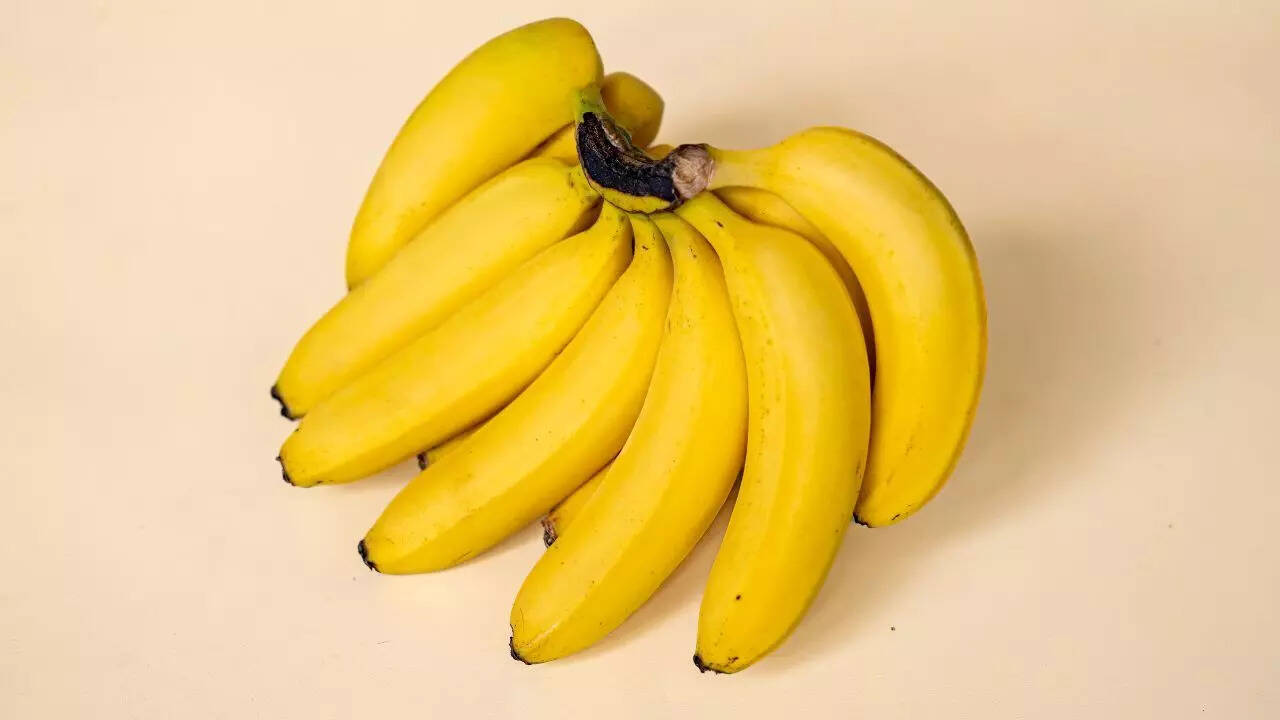
Bananas often top the list because they pack a lot of potassium in one serving. A single medium banana can be more than someone with kidney failure should eat in one go. If bananas are a regular part of your breakfast, this habit might raise your potassium slowly over time. You may be advised to avoid them entirely or only have very small pieces occasionally, depending on your blood test results.
Oranges, orange juice and kidney failure
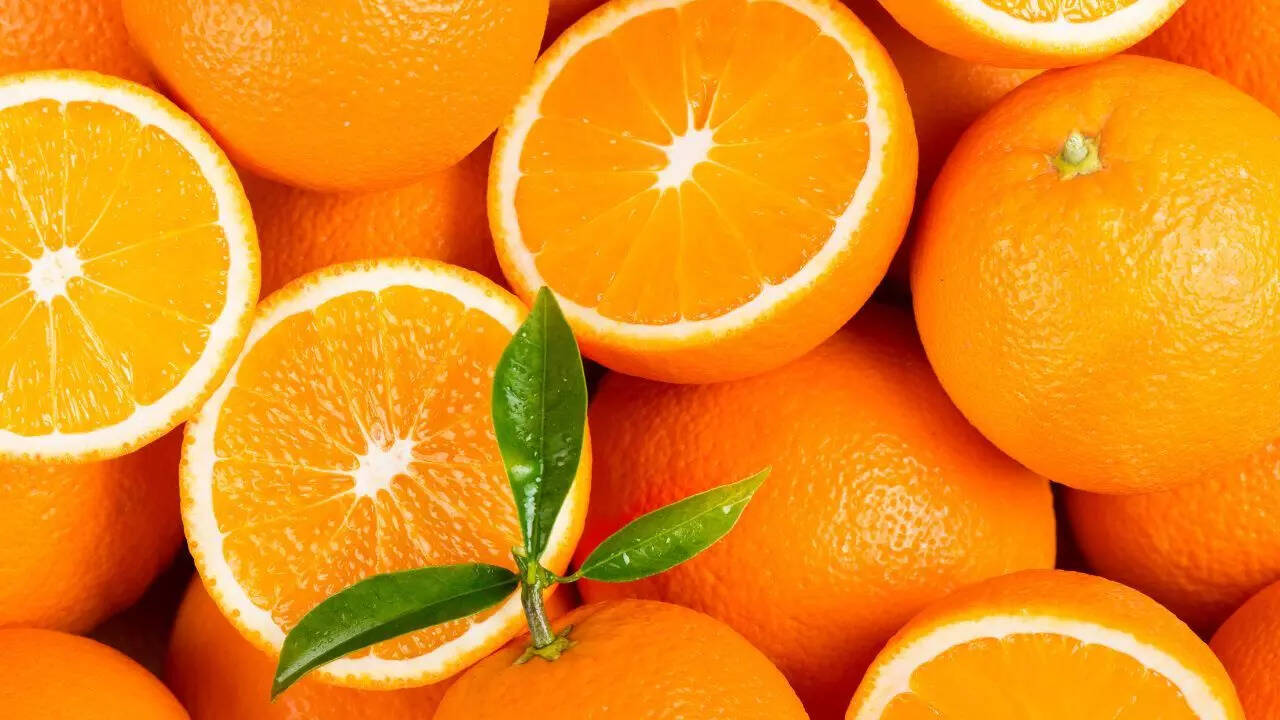
Oranges feel harmless because of their vitamin C content, but the potassium level is high. Orange juice is even more concentrated, so a single glass can push your daily potassium intake far beyond what your kidneys can manage. Many renal diets recommend replacing oranges with lower potassium fruits such as apples or berries if potassium levels are already high.
Avocados and kidney failure potassium spikes
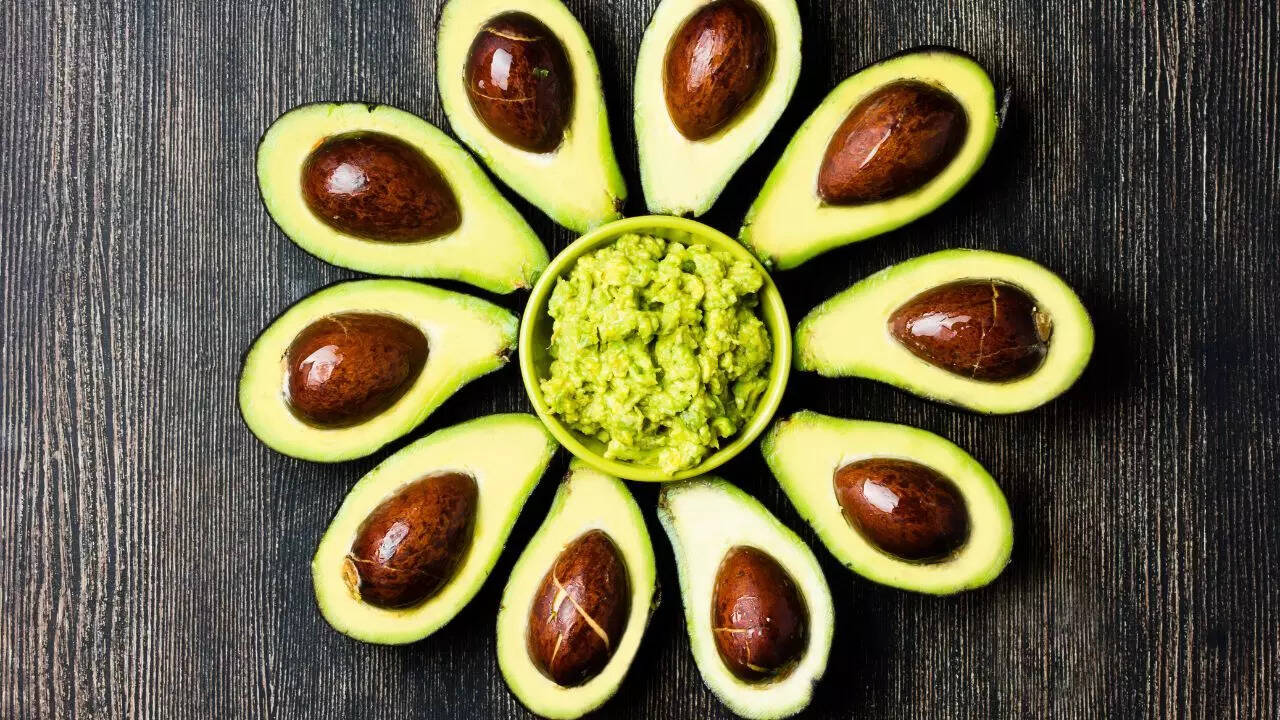
Avocados are creamy, versatile and popular in modern meals, but they are extremely high in potassium. Even a small portion can be too much for someone trying to limit this mineral. If you have been eating avocado toast often and your potassium is rising, this fruit might be contributing more than you think.
Dried fruits and kidney failure concerns
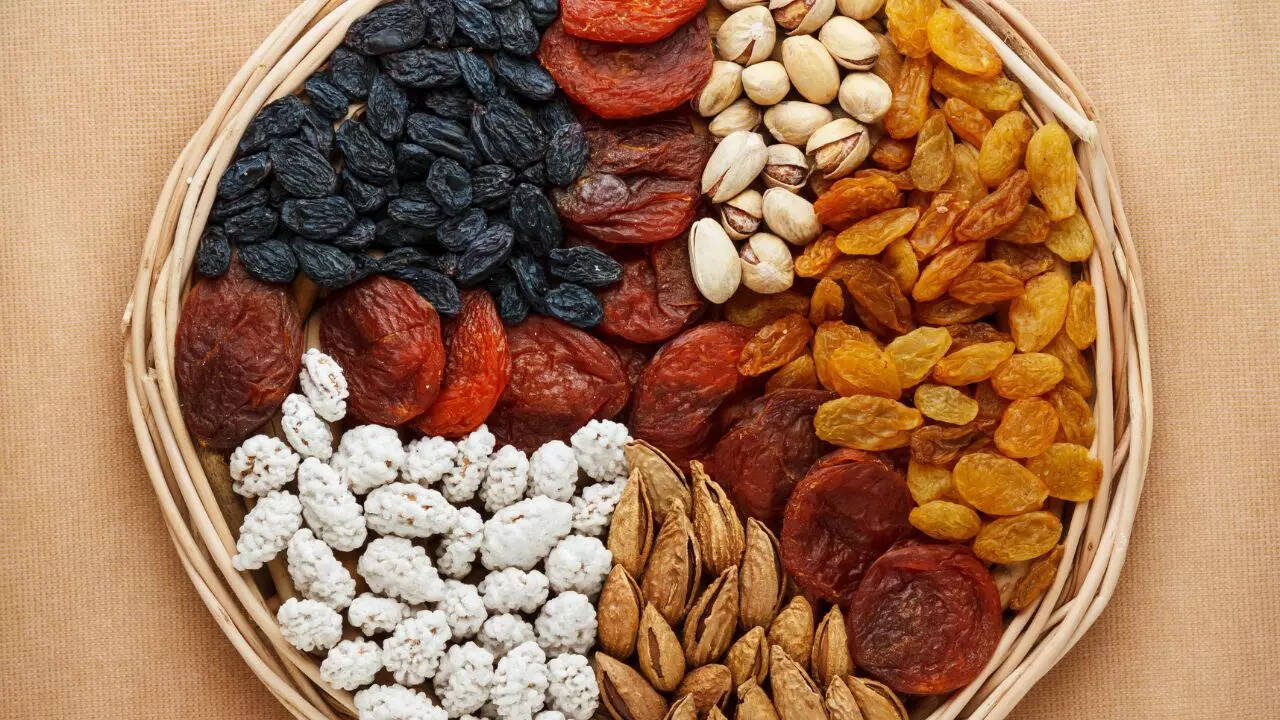
Drying fruit removes water and concentrates everything else. This makes dried apricots, dates, raisins and prunes very high in potassium per bite. A handful of dried fruit can contain more potassium than several pieces of fresh fruit. For people with kidney failure and high potassium, dried fruits are usually avoided altogether unless a dietitian says otherwise.
Melons, tropical fruits and kidney failure diets
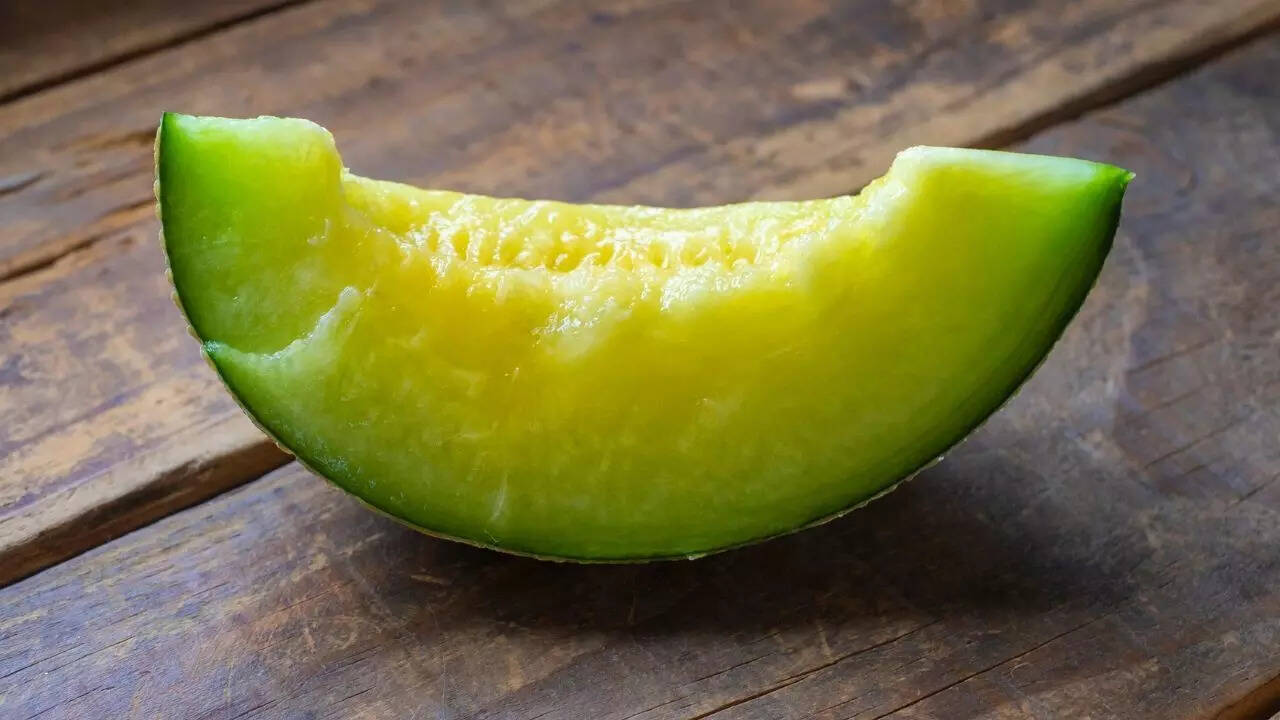
Fruits such as cantaloupe, honeydew, kiwi, mango and papaya may seem lighter choices, yet their potassium content is still high. Because these fruits are easy to overeat in one sitting, they are often limited when potassium levels are already raised. Consistent large servings can make potassium control more difficult.
Why high potassium fruits are limited in kidney failure
When the kidneys cannot clear potassium, even eating healthy food can cause harm. Extra potassium stays in the bloodstream instead of being filtered out. Over time, this may affect heart rhythm and muscle function, which is why blood tests are used to monitor potassium closely. Limiting high potassium fruits protects your heart as well as your kidneys and gives treatments such as dialysis a better chance to keep your levels stable. Your healthcare team may also recommend portion control, leaching vegetables or choosing lower potassium options depending on your condition.
Better fruit choices for kidney failure and high potassium
Lower potassium fruits usually include apples, pears, grapes, berries, pineapple and peaches. These can satisfy your craving for something sweet without adding too much potassium at once. Still, portion size matters because eating very large amounts of even lower potassium fruits can add up.Living with kidney failure and high potassium does not mean avoiding fruit entirely, but it does mean becoming selective. Bananas, oranges, avocado, dried fruits, melons and many tropical fruits are often among the worst choices because they can raise potassium quickly. Choosing lower potassium fruits in smaller portions and checking blood levels regularly helps you stay safe while still enjoying your meals. With guidance from a renal dietitian and a little awareness, fruit can remain part of your diet without putting extra strain on your kidneys.Disclaimer: This content is intended purely for informational use and is not a substitute for professional medical, nutritional or scientific advice. Always seek support from certified professionals for personalised recommendations.Also read| 6 dips that will help you lose weight and taste delicious