
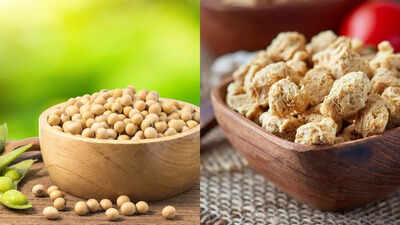
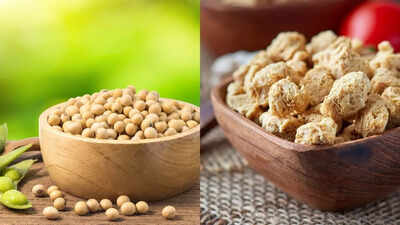
In plant-based nutrition, soya products are highly valued, particularly among vegetarians and vegans seeking quality protein sources. Soya beans and soya chunks are two popular options, each offering unique benefits. Soya beans are whole legumes, rich in protein, healthy fats, vitamins, and minerals, making them a nutrient-dense choice for overall wellness. Soya chunks, made from defatted soy flour, provide concentrated protein with minimal fat, ideal for muscle building and low-fat diets. Despite originating from the same legume, the difference in processing gives them distinct nutritional profiles and culinary uses, allowing flexibility in incorporating them into diverse diets.
Comparing nutritional benefits between soya beans and soya chunks
Soya beans and soya chunks each offer unique nutritional advantages. Soya beans are whole legumes, rich in protein, healthy fats, minerals, and fibre, making them ideal for overall wellness. Soya chunks provide highly concentrated protein with very low fat, perfect for high-protein diets and quick meal prep. While both support digestion and provide energy, soya chunks are more convenient to store and cook, whereas soya beans retain more vitamins and minerals. A study in Circulation found that consuming soy protein in place of animal protein can lower cholesterol and support heart health.
Soya beans: The whole legume
Health benefitsConsuming whole soya beans offers several health advantages:
- Complete protein source: Soya beans contain all nine essential amino acids, making them a complete protein source comparable to animal products
- Heart health: The high polyunsaturated fat content, particularly omega-3 fatty acids, supports cardiovascular health.
- Bone health: Rich in calcium and magnesium, soya beans contribute to bone strength and density.
- Hormonal balance: Isoflavones present in soya beans may help in balancing hormones, especially during menopause.
Culinary usesWhole soya beans are versatile in cooking:
- Soya milk and tofu: Processed into beverages and curds.
- Curries and stews: Incorporated into hearty dishes.
- Snacks: Roasted or boiled as a crunchy snack.
Soya chunks: The processed protein powerhouse
Health benefitsWhile soya chunks offer concentrated protein, they come with specific considerations:
- High protein density: Ideal for those requiring a protein boost, such as athletes or bodybuilders.
- Low fat content: Suitable for low-fat dietary plans.
- Rich in iron: Beneficial for individuals needing to increase iron intake.
However, the high processing level means they contain fewer vitamins and minerals compared to whole soya beans. Additionally, some individuals may experience bloating or digestive discomfort due to their high fibre content Culinary usesSoya chunks are prised for their meat-like texture and versatility:
- Curries and gravies: Absorb flavours well, making them a popular choice in vegetarian dishes.
- Burgers and patties: Used as a meat substitute in various recipes.
- Stir-fries and salads: Added to enhance protein content and texture.
Which should you choose
The choice between soya beans and soya chunks depends on individual dietary needs and preferences:
- For whole food enthusiasts: Soya beans are preferable due to their minimal processing and higher content of vitamins and minerals.
- For high-protein diets: Soya chunks offer a concentrated protein source with minimal fat, making them suitable for muscle building and weight management.
- For budget-conscious consumers: Soya chunks are often more affordable and have a longer shelf life, providing an economical protein option.
Incorporating both into your diet
A balanced approach can be beneficial:
- Combine in meals: Use soya beans in soups and stews, and incorporate soya chunks in stir-fries or as meat substitutes.
- Alternate between them: Switching between soya beans and soya chunks can provide variety and ensure a broader spectrum of nutrients.
- Pair with complementary foods: Combine with whole grains, vegetables, and legumes to create complete protein meals.
Disclaimer: This article is for informational purposes only and does not constitute medical advice. Always consult a qualified healthcare professional before making any changes to your health routine or treatment.Also read | Does drinking milk increase blood sugar levels: Know about lactose and added sugars