


As winter approaches, colds, flu, and runny noses become increasingly common, prompting many to reach for honey, ginger, or over-the-counter remedies. However, one often-overlooked option for supporting the immune system is zinc. This essential mineral plays a crucial role in immune function, wound healing, and overall health, and research suggests it may help reduce the duration of colds when taken early. While supplementation isn’t necessary for everyone, zinc can be particularly beneficial for older adults, those with digestive issues, or individuals with weaker immune systems. Understanding its benefits, dietary sources, and safe usage is key to harnessing zinc effectively.
Why your body needs zinc every day to stay healthy
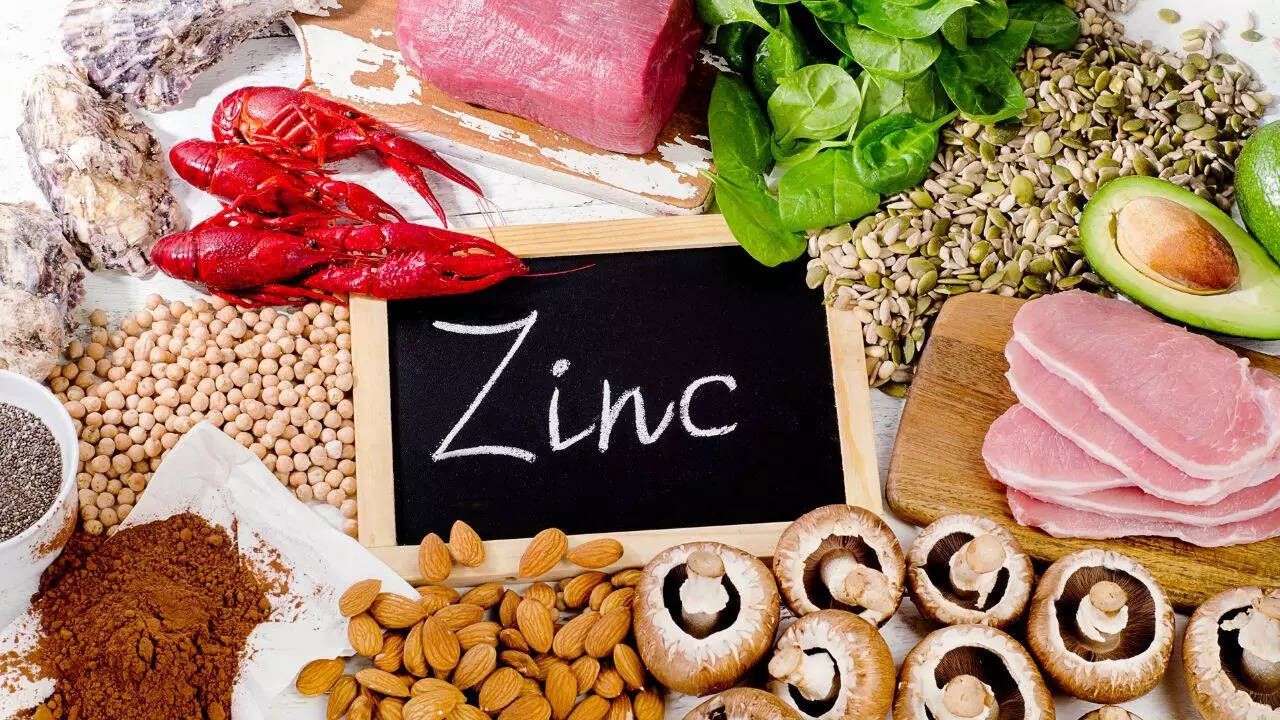
Zinc is an essential trace mineral, meaning the body requires it in small amounts to function properly. Unlike some nutrients, zinc isn’t stored in large reserves, which makes regular dietary intake crucial. Most of the zinc in the body is concentrated in muscles and bones, but it also circulates in the blood, binding to proteins and delivering support to various cells.Its importance lies in the fact that zinc is involved in hundreds of enzyme reactions, contributing to processes such as wound healing, cell growth, and immune defence. According to NHS guidelines, men need around 9.5 mg daily, while women require about 7 mg. Because zinc absorption takes place in the small intestine, those with digestive disorders, coeliac disease, or previous gut surgery may face greater challenges in maintaining healthy levels.
Does zinc help with colds or just support overall immunity?
One of zinc’s most well-studied roles is in immune support. Research suggests that while zinc may not stop you from catching a cold altogether, it can help shorten its duration and lessen severity if taken at the right time. A major study by the Cochrane Collaboration, involving over 8,500 participants, found that zinc supplementation did not significantly reduce the risk of developing colds. However, when started within 24 hours of the first symptoms, zinc appeared to reduce the length of illness by one to two days in many cases.Zinc’s immune-boosting effects work best in people with low or borderline levels, such as older adults or those with chronic conditions. Supplementation has been shown to decrease infection rates among groups with weaker immune systems, making zinc particularly relevant for people whose natural defences are already compromised.Beyond colds, zinc also interacts with other immune-supporting nutrients. Research points to potential benefits when combined with vitamin D for fighting viral infections. Still, supplementation isn’t always necessary for the average healthy person, and overuse may create more risks than benefits.
Health benefits and side effects of taking zinc supplements
Beyond its role in fighting colds, zinc contributes to several aspects of overall health. It supports wound healing by aiding tissue repair and scar formation. Zinc is also important for hair and skin health, with low levels linked to hair loss and impaired keratin production.Cognitive health is another area where zinc may make a difference. Due to its antioxidant and anti-inflammatory properties, zinc may help reduce oxidative stress and support brain function. Some evidence suggests disruptions in zinc balance could contribute to age-related decline and neurological conditions such as Alzheimer’s disease.However, supplementation is not without drawbacks. Excess zinc can interfere with copper absorption, potentially causing another deficiency. High doses may also irritate the stomach and lead to nausea or gastric side effects. Health professionals recommend focusing on dietary sources first—such as seafood, wholegrains, beans, nuts, and red meat—before turning to tablets. Plant-based diets can use soaking or fermenting legumes to improve zinc absorption. Consulting a GP or dietitian is the safest way to decide if supplements are needed.Zinc isn’t a miracle cure, but it supports immunity, overall health, and recovery from colds when taken early. It also benefits skin, hair, wound healing, and brain function. Most people get enough from a balanced diet, but older adults, those with digestive issues, or people with limited intake may benefit from supplements. The key is moderation, enough zinc to strengthen the immune system without overdoing it.Disclaimer: This article is for general informational purposes only and is not a substitute for professional medical advice, diagnosis, or treatment. Always seek the guidance of a qualified healthcare provider regarding any medical condition or lifestyle change.Also Read: Natural ways to relieve gas and bloating: 5 simple remedies you can try at home