
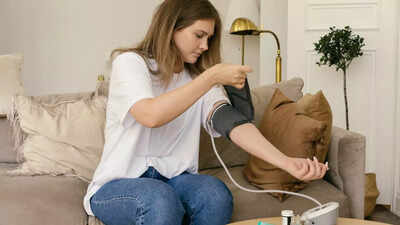
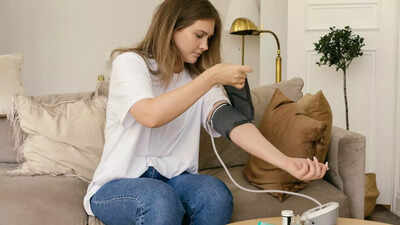
Monitoring blood pressure at home is an essential part of maintaining cardiovascular health. While most people check their blood pressure in just one arm, recent research highlights the importance of measuring it in both arms. Differences in readings between arms can reveal underlying vascular issues, such as arterial blockages or peripheral artery disease, and provide more accurate insights into overall heart health. By adopting this simple practice, individuals can improve the detection of hidden cardiovascular risks and make better-informed decisions about lifestyle, treatment, and long-term health management.
Why you should never skip measuring blood pressure in both arms
Blood pressure measures how strongly blood pushes against the walls of your arteries, represented as two numbers: systolic (pressure when your heart beats) over diastolic (pressure when your heart rests). Many people take readings in just one arm, but blood pressure can naturally differ between the left and right arms. These differences are usually small, but sometimes they can be significant, and noticing them is important for understanding your overall heart and vascular health.A consistent difference of 10 mmHg or more between arms may indicate underlying cardiovascular issues, such as narrowed arteries, atherosclerosis, or increased risk of heart attack or stroke. Measuring both arms regularly can provide more accurate readings, guide your healthcare provider in making safe treatment decisions, and help detect hidden problems before symptoms appear. By checking both arms, you get a clearer picture of your heart health and can take proactive steps to manage your blood pressure effectively.
Importance of measuring blood pressure in both arms:
Early detection of vascular diseaseA study published in the Journal of the American Heart Association found that inter-arm differences in blood pressure are linked to higher rates of cardiovascular events. Detecting these differences early can allow healthcare providers to investigate potential arterial blockages or other vascular conditions before complications occur.Improved diagnostic accuracyMeasuring both arms reduces the chance of misdiagnosing hypertension. If only one arm is used, there is a risk of underestimating or overestimating blood pressure, which may lead to inappropriate treatment. Recording readings from both arms ensures a more precise understanding of your cardiovascular health.Guiding safe and effective managementDifferences in arm blood pressure can influence medication choices and dosages. By knowing the accurate readings from both arms, healthcare providers can tailor treatment to optimise blood pressure control, reducing the risk of heart attack, stroke, or other complications.
How to measure blood pressure correctly at home
- Choose a validated monitor – Ensure your device is clinically approved for accuracy.
- Sit correctly – Back supported, feet flat, arm at heart level, and avoid talking during measurement.
- Measure both arms – Take readings from the left and right arms, preferably at the same time or within one to two minutes of each other.
- Record multiple readings – Take two or three readings from each arm and calculate the average.
- Keep a log – Maintain a record of all readings and share them with your healthcare provider.
Tip: If you notice a consistent difference of 10 mmHg or more between arms, consult a healthcare professional for further evaluation.
Benefits of measuring blood pressure in both arms
- Detects hidden vascular disease early.
- Provides more accurate diagnosis and monitoring of hypertension.
- Helps guide personalised treatment plans.
- Reduces the risk of heart attack, stroke, and other cardiovascular complications.
- Encourages proactive home monitoring and awareness of heart health.
Measuring blood pressure in both arms at home is a simple yet vital step in maintaining cardiovascular wellness. Inter-arm differences can reveal hidden risks, improve diagnostic accuracy, and inform safer, more effective treatment plans. Incorporating this practice into your routine empowers you to take charge of your heart health and detect potential issues early.Disclaimer: Always consult your healthcare provider for personalised advice and before making changes to your monitoring or treatment plan.Also read | How iron, Vitamin D, and calcium deficiencies increase fatigue, bone loss, and heart risks in women over 30