For many in the Indian diaspora, returning home after years abroad is looked upon as an emotional reunion. It’s all about a reconnection with food, family and familiarity. The nostalgia is supposed to overwhelm, make you emotional, and outweigh the inconvenience if there is any. Grandparents meet grandchildren. Old streets taking you back to your childhood days, while the chaos might feel comforting rather than overwhelming. But not everybody is deemed to feel the same, as at times, distance changes more than geography.After living overseas for more than 16 years, this is what one parent who recently returned to India with their two children had to share. The trip which was meant to reconnect roots, delivered clarity instead, and was not the kind they expected.
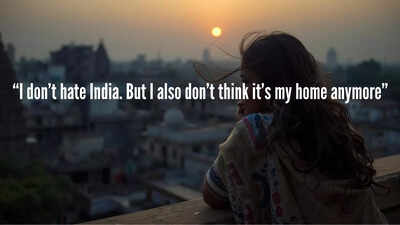
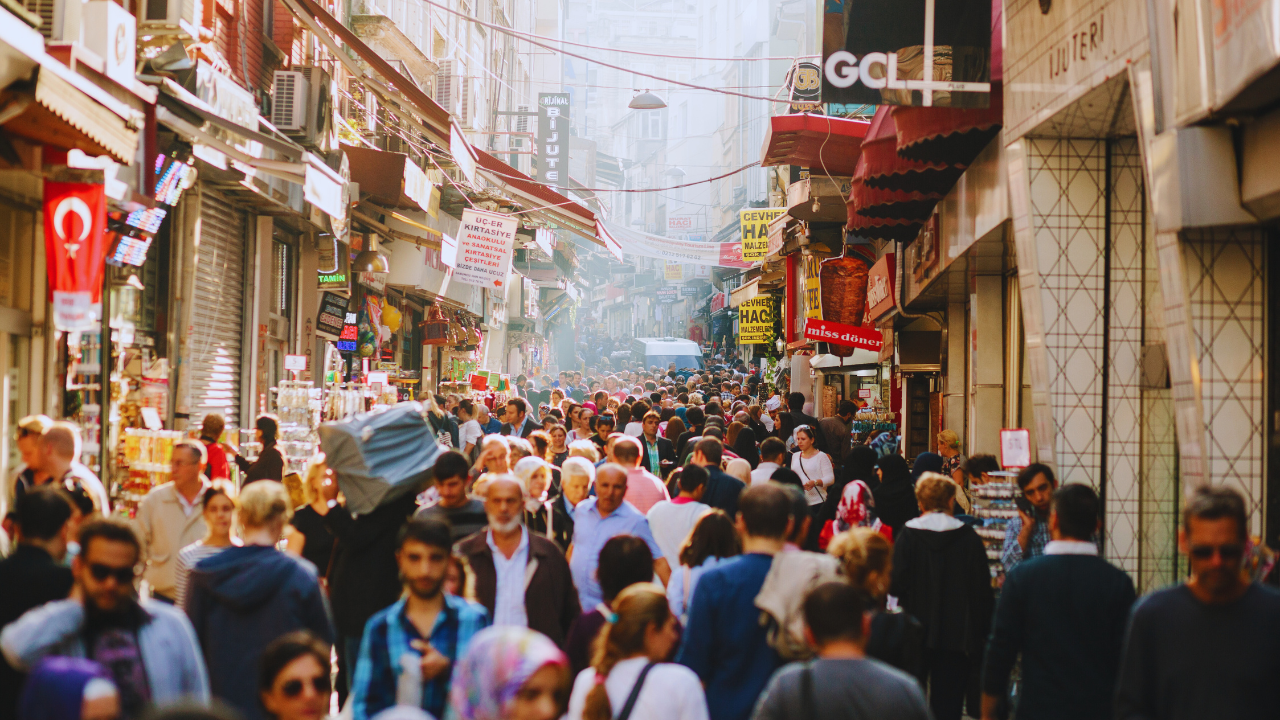
Posting in a Reddit discussion forum, the traveller shared: “I don’t hate India. But I also don’t think it’s my home anymore.” It wasn’t because of a single bad experience that shaped this conclusion, but was a mix of so many things. She says, “I’ve lived outside India for 16+ years. This trip made something very clear: I don’t think I can ever move back.” She shares feelings of unexpected anger and resentment during the visit, toward the environment, toward systems, and at times even toward loved ones. “Not all the time, but enough that it shook me. It made me realize how much I’ve changed.”Read more: H-2B Visa cap reached for first FY 2026 allocation, USCIS confirmsOne of the first shocks was daily social behavior. Struggling with what she perceived as constant shouting, line-cutting and emotional volatility. “I especially struggled watching how husbands treat their wives and how casually men treat women in general,” she said, adding that raising two boys heightened that discomfort. Certain dynamics, she felt, were normalized in ways that no longer aligned with her values.Another point of tension was dependence on domestic help and informal labor. “Nothing feels autonomous. Every small task needs multiple people.” While acknowledging that help creates employment, the Redditor described feeling uneasy about the imbalance and occasional reliability issues.Traffic and driving culture proved mentally exhausting. “No rules, no predictability, constant honking. My nervous system was on edge all day.” Add pollution, dust and mosquitoes to the mix, and the visit became physically draining. “I had cold, cough and breathing issues almost the entire trip,” she adds.
Food, often one of India’s biggest emotional anchors, was also complicated. Convenience apps like Swiggy and Zepto impressed with speed, but not always quality. “I paid INR 170 for a small box of strawberries and kept finding stale ones,” the Redditor wrote. Eating balanced meals felt surprisingly difficult. “By healthy, I mean protein, fiber, carbs and fats in balance. It was hard to sustain. Heavy carbs, butter and ghee are everywhere. It’s easy to eat badly without trying.”Then there was what they called “emotional performativeness.” Expressions of care sometimes felt exaggerated or hollow. “A lot of people play with feelings and emotions, showing care without actually caring. It felt draining” she writes.Read more: India Young Professionals Scheme 2026: UK Visa ballot opens today; 3,000 spots availableEven small domestic habits became symbolic. Clutter. Hoarding. An inability to discard unused items. As someone who no longer identifies as highly social, the expectation to constantly attend gatherings and engage in extended family interactions also proved tiring. Systems added another layer of frustration. The Redditor described a prolonged banking issue involving INR 30,000 tied to a dormant account. “It’s been eight years of trying to get this money transferred. Endless loops, no accountability,” she writes. Insurance claims, likewise also felt similarly circular.
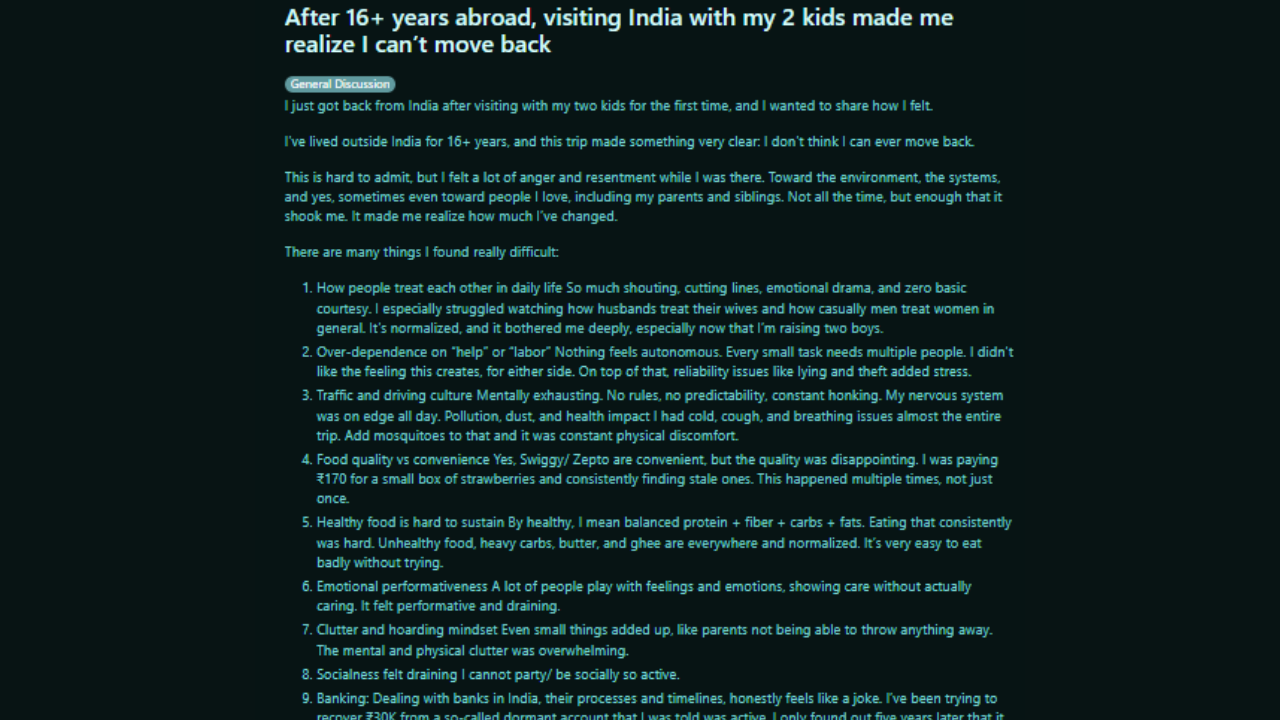
Even public infrastructure left mixed feelings. Paying to use public toilets via cash or UPI, which were still dirty, left her with mixed feelings. She adds, “I didn’t know whether to be upset about paying or grateful they accept digital payment.”However, she acknowledged India has positives too. Family, culture, familiarity, the ease of finding help, and the joy of children bonding with grandparents were meaningful. None of that was dismissed. But the weight of the cons felt heavier this time for her.“The sensory overload, the impact on my health, the emotional exhaustion, and the values mismatch in how I want to live and raise my kids,” she adds. The trip did not trigger nostalgia, but offered a perspective.She concludes by saying, “I don’t hate India. But I also don’t think it’s my home anymore.”The post resonated widely online. Returning home can feel less like stepping back into comfort and more like confronting a version of yourself that no longer fits. For this traveller, the visit offered her the perspective she wasn’t expecting. Sometimes, as they say, the most lasting souvenirs from a journey aren’t what you carry home, but what quietly changes within you.Disclaimer: The above article is based on a Reddit post and Times of India has not verified the veracity of the claim