
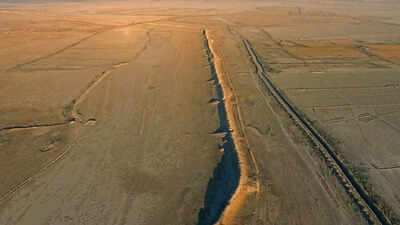
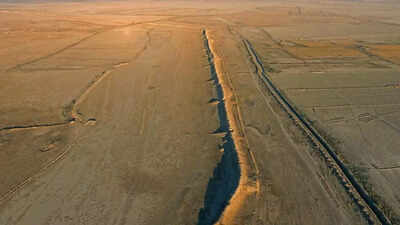
Deep in the deserts of Iraq, the lost city of Charax Spasinou has finally been found. It seems it had been hiding under the Earth for more than a millennium. Experts say the city was one of Alexander the Great’s final ambitious settlements. As reported by Archaeology News, once a bustling trade hub along the Tigris River, Charax Spasinou now emerges, at least digitally. It appears the city was bigger than anyone expected with streets, temples, and even industrial workshops coming into view. For historians, it’s like seeing a whole new chapter of the ancient world open up, one long buried under dust and time.
Ancient Mesopotamian city of Charax Spasinou revealed by modern technology
Charax Spasinou was reportedly founded in 324 BCE, just a few years before Alexander’s death. He might have wanted it to cement control over Mesopotamia at a strategic river junction. Some sources say it was originally called Alexandria, then later rebuilt and renamed Charax Spasinou by a later king after floods and conflicts destroyed the city. It’s interesting, really, even mighty conquerors couldn’t stop nature and human disputes from erasing their cities.The city’s location seems perfect for trade. Rivers met here, and merchants could move goods across Mesopotamia and beyond. Modern archaeologists didn’t dig blindly. Drones flew overhead, capturing thousands of aerial images. Magnetometers scanned the soil for buried structures. Experts reportedly used the combination to build a digital map of the city. Without disturbing the ground, scientists now know the city’s layout with wide streets, housing blocks bigger than most ancient cities, temples, and workshops with kilns. It’s fascinating how technology can almost time-travel.
Hidden streets and temples of Charax Spasinou
Charax Spasinou was more than a showpiece. Archaeologists reportedly walked over 500 square kilometres, noting pottery, bricks, and industrial debris scattered around. Finding Charax Spasinou isn’t just an archaeological thrill. It might reshape parts of history we thought we knew. Alexander’s empire was vast, but each city had a role. Charax Spasinou emerges beneath digital maps. Not everyone will visit, but now, at least, it’s no longer a mystery. Its streets, workshops, and temples whisper stories from over a thousand years ago.