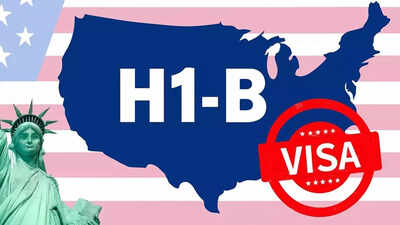
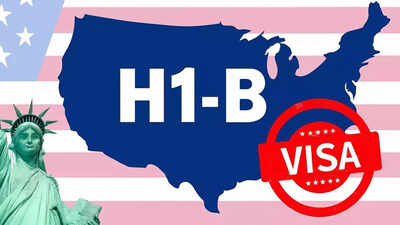
A proposal advancing through the Iowa Legislature could significantly reshape hiring patterns at the state’s public universities — and potentially alter career pathways for international professionals in higher education, research and healthcare.According to an original report by The Gazette, House Study Bill 536 cleared the House Higher Education Committee along party lines this week. The measure would bar Iowa’s public universities from hiring individuals on H-1B visas who are citizens of countries designated as “foreign adversaries” by the US secretary of commerce.Who Would Be Affected?The US Department of Commerce currently lists the People’s Republic of China (including Hong Kong), Cuba, Iran, North Korea, Russia and Venezuela as foreign adversaries, citing national security concerns.Data provided by the Iowa Board of Regents to lawmakers — and first reported by The Gazette — show 117 employees across Iowa’s public universities hold H-1B visas from those countries. Of them, 104 are from China, nine from Iran, three from Russia and one from Venezuela.The University of Iowa employs the largest share, with 69 such workers, followed by Iowa State University with 42 and the University of Northern Iowa with six, plus one pending hire from Russia.For students and early-career researchers in STEM, these numbers highlight how integral international talent has become to research labs, engineering departments and medical faculties.H-1B Visas and Academic CareersUnlike F-1 student visas or J-1 exchange visitor visas, H-1B status allows temporary employment in specialty occupations requiring highly specialized knowledge. Universities often use the programme to recruit faculty, postdoctoral researchers, data scientists and medical specialists.A restriction targeting specific nationalities could narrow the global talent pool available to Iowa institutions. For aspiring academics and healthcare professionals from affected countries, it may also limit employment opportunities in the state’s public system.At a subcommittee hearing, Andy Conlin, a lobbyist for State Shield, argued that similar institutions across the country have faced security-related incidents involving Chinese H-1B visa holders. He told lawmakers that universities often believe safeguards are sufficient — “turns out they didn’t,” he said — suggesting the bill is a preventive measure.However, Jillian Carlson, a lobbyist for the Board of Regents, expressed concerns that the proposal could conflict with state and federal civil rights protections prohibiting discrimination based on national origin, as reported by The Gazette.Ripple Effects on Healthcare HiringBeyond academia, workforce planners are watching closely. Tom Cope, representing the Iowa Society of Anesthesiologists, warned that the bill could affect staffing at University of Iowa Hospitals and Clinics, particularly as the state seeks to attract and retain physicians, including internationally trained specialists.For medical graduates and residency aspirants relying on H-1B sponsorship, policy shifts of this kind could influence where they apply, train and ultimately practise.A Broader National ShiftThe Iowa proposal comes amid wider federal scrutiny of the H-1B programme. In September 2025, President Donald Trump issued a proclamation imposing a $100,000 fee on new H-1B entrants, citing concerns that the programme has displaced American workers. Separately, US Rep. Greg Steube introduced legislation to eliminate the H-1B programme entirely.For students mapping careers in STEM, higher education or medicine, the message is clear: immigration policy is increasingly intertwined with professional opportunity. As debates intensify, understanding visa frameworks and evolving state-level rules may become as critical as academic credentials themselves.