
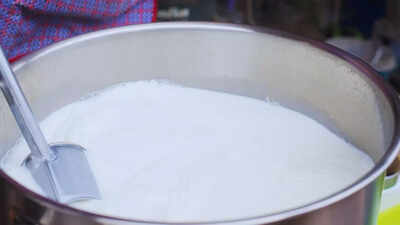
India is the largest producer of milk, contributing 24–25% of global production. Milk remains an essential part of the staple Indian diet. From daily consumption to celebrations, milk is India’s culinary indulgence. While many recent debates can be heard around the side effects of milk, the harms of consuming dairy milk by adults, and growing lactose intolerance, it is difficult to shun milk completely, as it is an important part of the Indian culinary culture. Previously, the milkman directly supplied milk to homes. This milk was then thoroughly boiled and consumed. However, with the White Revolution, there was a massive rise in milk production, and this led to the rise of several dairy giants and local milk federations who began to produce milk and milk products commercially. Pasteurized milk supplied in homes in plastic packets became a common norm. What is pasteurized milk?Pasteurized milk is regular milk that is heated to a specific temperature to kill harmful bacteria and pathogens, making it safer to drink and last longer. The process was named after French scientist Louis Pasteur. In this process, milk is heated at high temperature before quickly cooling it back down—this is the common high-temperature short-time (HTST) method used for most store-bought milk. Unlike raw milk straight from the cow, pasteurization targets pathogens like E. coli, Salmonella, Listeria, and those causing tuberculosis or brucellosis without fully sterilizing the milk (it leaves beneficial bacteria and doesn’t kill all spores). It slashes foodborne illness risks dramatically. Nutrition stays mostly intact (vitamins, proteins), though some heat-sensitive ones like B12 dip slightly; taste might be milder than raw milk.
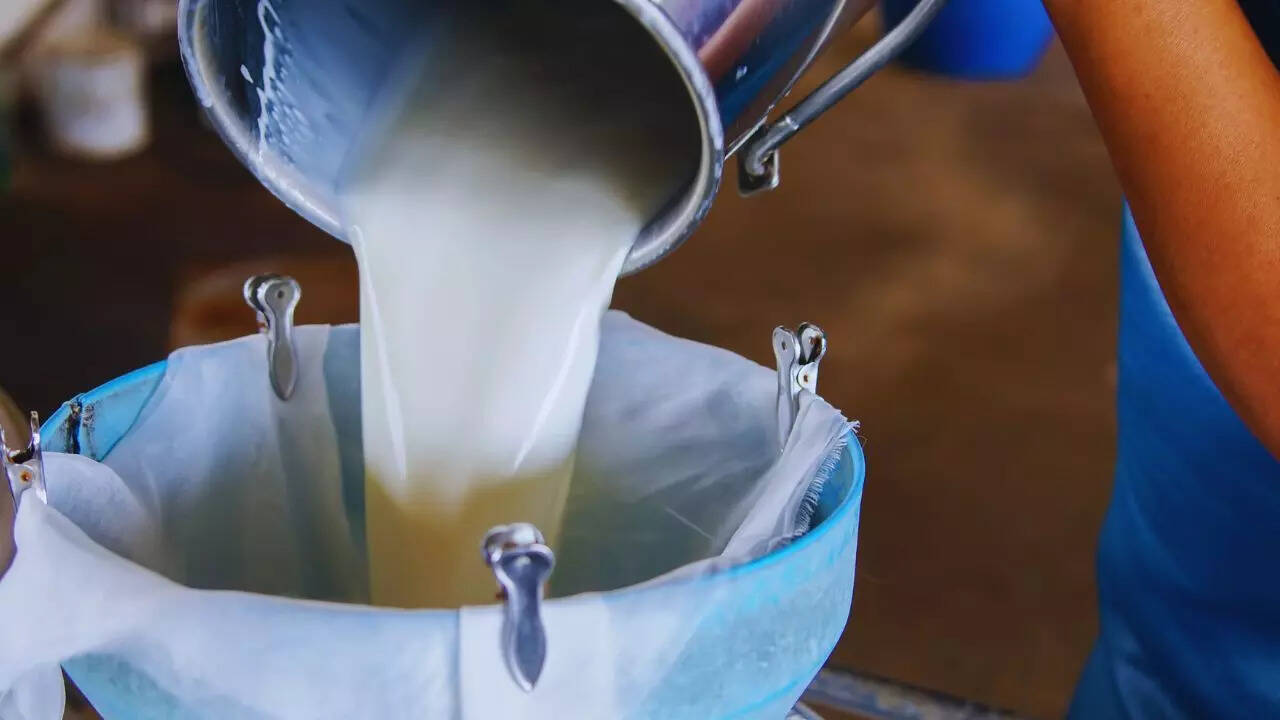
What is raw milkRaw milk is simply fresh milk straight from the cow, goat, sheep, or other animal that hasn’t been pasteurised—meaning it skips the heat treatment to kill bacteria. It’s unprocessed and is mostly supplied in Indian homes directly by the cattle owners.Should you boil pasteurized milkThe FDA confirms that pasteurization already destroys harmful bacteria, making it safe for consumption without further boiling. Boiling pasteurized milk is unnecessary and does not increase its safety, though it does not significantly change the nutritional value. However, according to a study published in National Library of Medicine titles, Effect of Heat Pasteurization and Sterilization on Milk Safety, Composition, Sensory Properties, and Nutritional Quality, “While pasteurization enhances milk safety by eliminating pathogens, it also compromises the natural antimicrobial systems inherent in raw milk. Key enzymes and bioactive components such as lactoperoxidase, lysozyme, and xanthine oxidase, known to inhibit pathogen growth, are significantly reduced or inactivated by heat treatment. This inactivation may diminish the milk’s natural defense mechanisms, making it more susceptible to microbial proliferation during storage.”
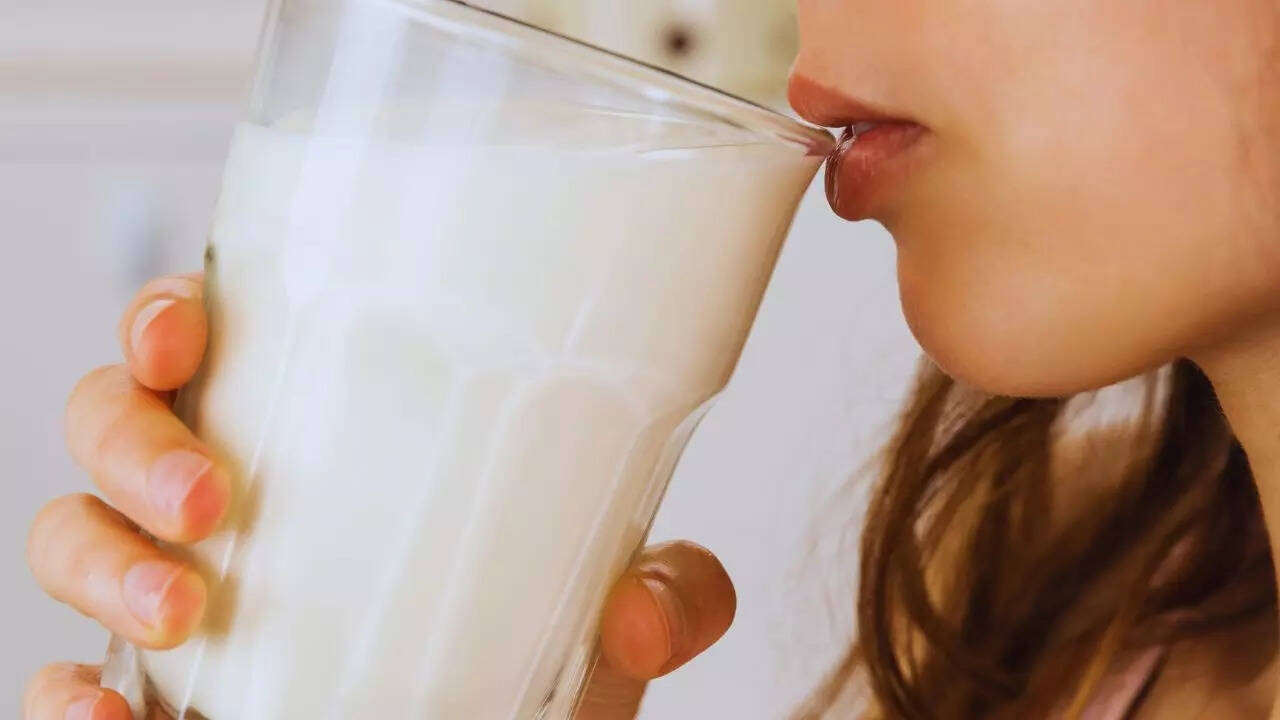
In most Indian homes, packet milk is boiled for a few minutes before consumption. “While the FDA advises against it and with clear evidence that boiling milk for a prolonged period can destroy its nutrients to some extent, it is still not totally wrong to boil the milk for a few minutes, as I am not completely sure how effective the pasteurization process is,” says Vrinda Sharma, who works as a science teacher in a government school. What are the pathogens present in milk, and can boiling kill them?Common pathogens present in raw milk include bacteria like Salmonella, E. coli, Listeria monocytogenes, Campylobacter, and Staphylococcus aureus, which can cause severe foodborne illnesses. These microorganisms often enter through manure, mastitis, or improper handling of milk. Proper pasteurization eliminates these hazards, which are significantly more prevalent in raw dairy products. Just as boiling water can kill pathogens, boiling milk can kill germs as well. According to Dr. Vijay Sharma, a GP based in Delhi, “Boiling milk on low flame for at least 5 minutes can make it safe for consumption. Even though pasturizes milk is considered completely safe, still, boiling milk for a couple of minutes cannot cause any major harm to its nutritional content.”