
We all know that this place is known worldwide as the last natural habitat of the Asiatic lion. Gir National Park is, however, much more than a predator stronghold. Beneath its dry deciduous forests, lies a carefully balanced natural system sustained by rivers, and reservoirs. These rivers are the true lifelines of Gir, shaping its ecology, wildlife distribution, and even human settlements around the forest.
Rivers in Gir National Park
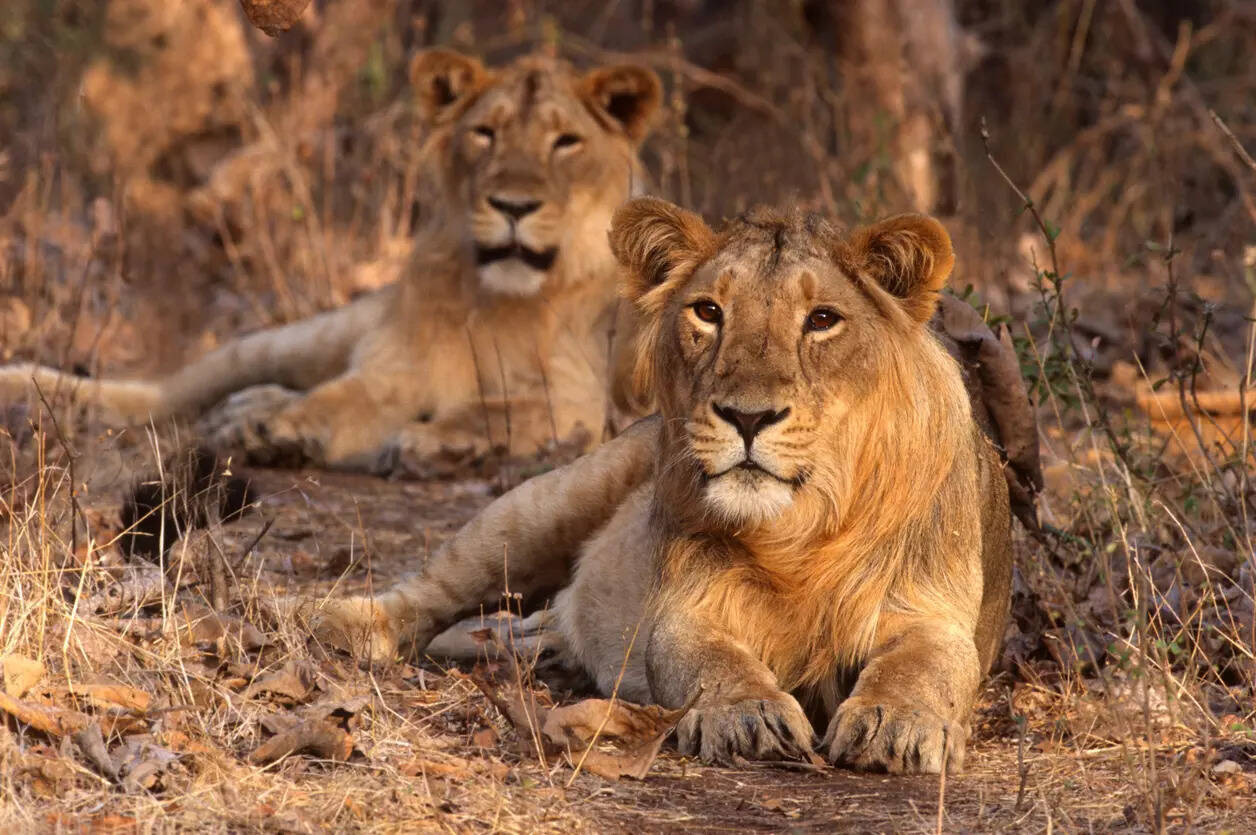
Gir National Park and Sanctuary is watered by seven perennial rivers. These river streams are perennial, and they substantially contribute to the water supply during the long non-monsoon seasons in Gujarat. The seven rivers are:
- Hiran
- Shetrunji
- Dhatarvadi (Datardi)
- Shingoda
- Machhundri
- Raval
- Ambajal
These rivers serve as the support system of diverse ecosystems of the park, ensuring that water reaches grasslands, forest patches and reservoirs across Gir landscape.
The Hiran River: The life line of Gir
Among all the rivers that flow through Gir, the River Hiran is considered to be the most significant. The Hiran River originates from near the Sasa hills ofGir Forest and flows in a westward direction forming a drainage basin as much as 40 km long. The total Hiran river catchment area is about 518 square kilometres (200 sq mi).
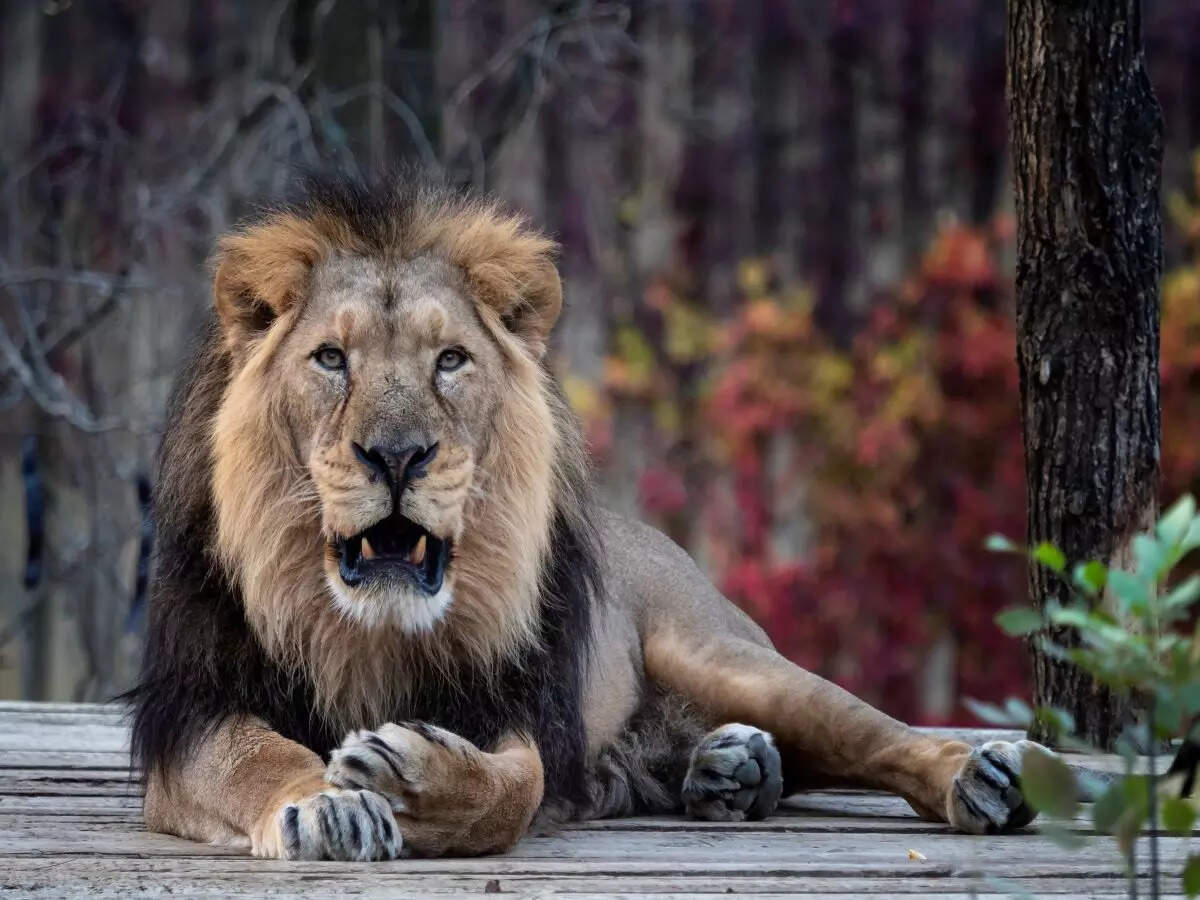
The Hiran River is fed by tributaries and sub-tributaries such as the Saraswati River and the Ambakhoi, among a few minor ones that come together at Talala town. This makes a very fullriver system as the Hiran is capable of supporting life.Crucially, the Hiran River runs through the western side of the Gir forest, providing water throughout the year. The river supports grasslands where herbivores roam and watering holes for carnivores such as the Asiatic lion.Read more: Nirmala Sitharaman says India can offer world-class hiking and trekking: 5 best places for these activities
Dams and reservoirs inside Gir
Of the seven rivers, four have dams built on them: Hiran, Machhundri, Raval, and Shingoda. These four dams have formed four major reservoirs, which ensure a supply of water in the dry season.Famous among them is the Kamleshwar Dam, which is constructed over the Hiran River. Known as the ‘Lifeline of Gir’, this reservoir is among the best places to spot wildlife, especially during summers when animals gather around water holes. Umrethi Dam is another large project connected to the Hiran River.
Rivers and Gir’s biodiversity
Although with regard to wildlife, it’s home to only about 38 mammalian species, the total biodiversity in Gir exceeds 2,300 species. That’s along with 300 species of birds, 37reptile species, and hundreds of insects. The rivers and reservoirs have a direct hand in maintaining this diversity.Predators such as the Asiatic lion, Indian leopard, striped hyena, jungle cat, desert cat, honey badger, and mongoose depend on river-fed habitats to hunt and survive. Herbivores like chital, sambar, nilgai, chinkara, blackbuck, wild boar, and four-horned antelope rely on riverine vegetation for food and shelter. Reptiles such as crocodiles, Indian cobras, monitor lizards, and tortoises are closely tied to Gir’s water bodies.Read more: Baggage Rules, 2026: Duty-free limits, jewellery allowance and advance baggage declaration explained
Forest vegetation shaped by water
The dry deciduous forest that dominates Gir’s environment is interwoven with more than 500 different plant species, including teak and banyan trees. These vegetative zones are maintained by the rivers, which provide shady passageways that are vital for both mammals and birds. Seasonal flooding enriches the soil, allowing grasslands and scrub forests to regenerate naturally.Despite being among India’s most protected forests, the rivers of Gir too are not completely free from threats that continue to press in on them. There are natural risks posed by a range of phenomena such as cyclones, forest fires, floods and repeated occurrence of droughts. Human-induced pressures are grazing, invasion, vehicle impacts, tourism-related degradation and mining activities in vicinity. Pollution of railway lines running through peripheral areas have also a deterioration effect on the environment.Despite these challenges, Gir remains the most promising long-term refuge for the Asiatic lion. Its rivers, especially the Hiran, continue to act as the invisible threads holding this fragile yet resilient ecosystem together.