
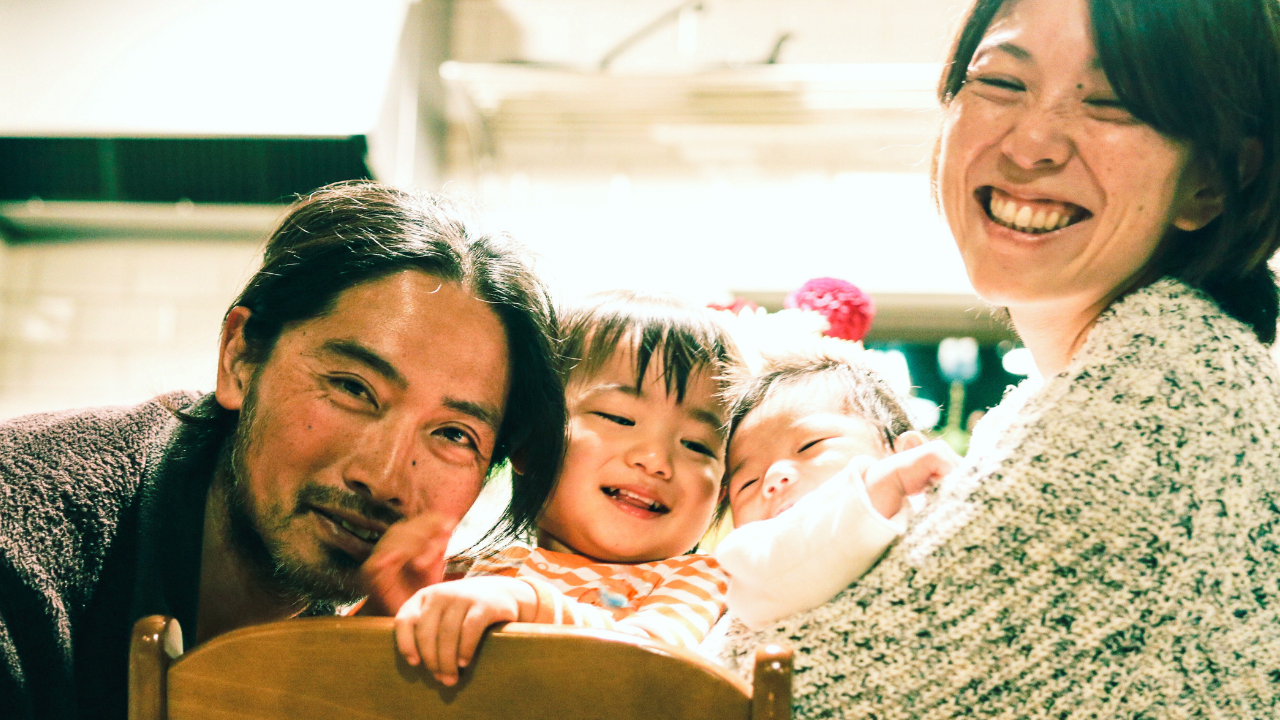
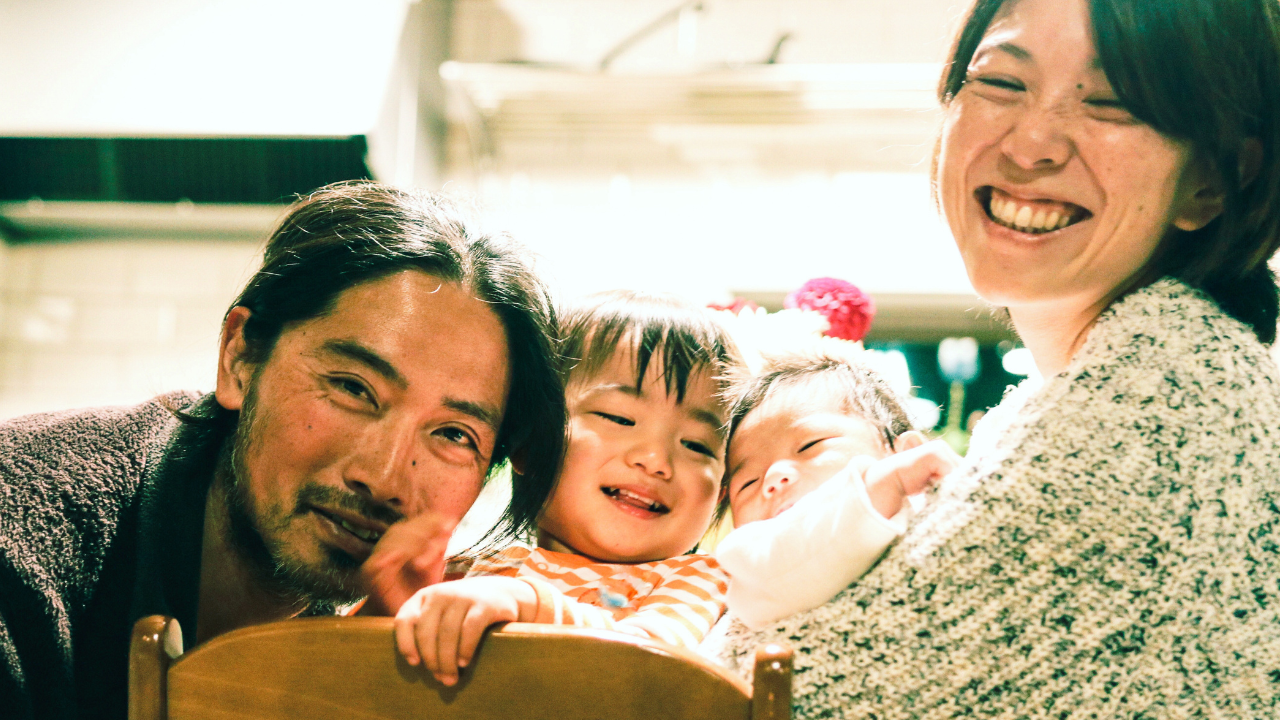
In Japan, lunch is rarely treated as a disposable pause between lessons. School lunches are a formal part of education, with almost all elementary and junior high schools providing them, and the meals are linked to nutrition education or shokuiku. According to research published on PubMed, school children are responsible for serving lunch and clearing dishes, and eating together helps teach manners and shared responsibility. The meal becomes more than food; it becomes a lesson in equality, order, and gratitude. That is an idea Indian families can borrow beautifully at home. A child who helps set the table, serves water, or clears their own plate after eating learns that meals do not begin and end with convenience. They begin with effort. They end with appreciation. In a time when many families eat in a rush, in front of screens, or with everyone on a different schedule, the Japanese habit of turning meals into a shared ritual feels almost radical in its simplicity.