
Six people have died in a listeria outbreak linked to recalled prepared pasta meals in the United States. The outbreak has infected 27 people across 18 states, with 25 hospitalised, according to the Centres for Disease Control and Prevention (CDC). The deaths were reported in Hawaii, Illinois, Michigan, Oregon, Texas, and Utah. One pregnancy-associated illness linked to the listeria outbreak resulted in the loss of a baby.“CDC and states are working to get information on whether sick people ate recalled food or if additional foods may be contaminated with Listeria monocytogenes,” the federal agency said. It also urged people to double-check their refrigerators and freezers for recalled food.The recalled foods are:
- Sprouts Farmers Market smoked mozzarella pasta salad (use-by dates October 10, 2025, through October 29, 2025)
- Scott & Jon’s shrimp scampi with linguine bowls (use-by dates in March 2027, 9.6 oz packages)
What to do if you have recalled food
If you have these recalled foods in your refrigerator, the CDC recommends following these steps:
- Do not eat recalled foods.
- Clean your refrigerator, containers, and surfaces that may have touched the affected foods, as Listeria can survive in cool conditions and spread to other foods.
- If you are pregnant, aged 65 or older, or have a weakened immune system, and have consumed the recalled items, call your healthcare provider immediately.
Being aware of Listeria infection and taking steps to prevent it is crucial at this point.
What is Listeria infection?
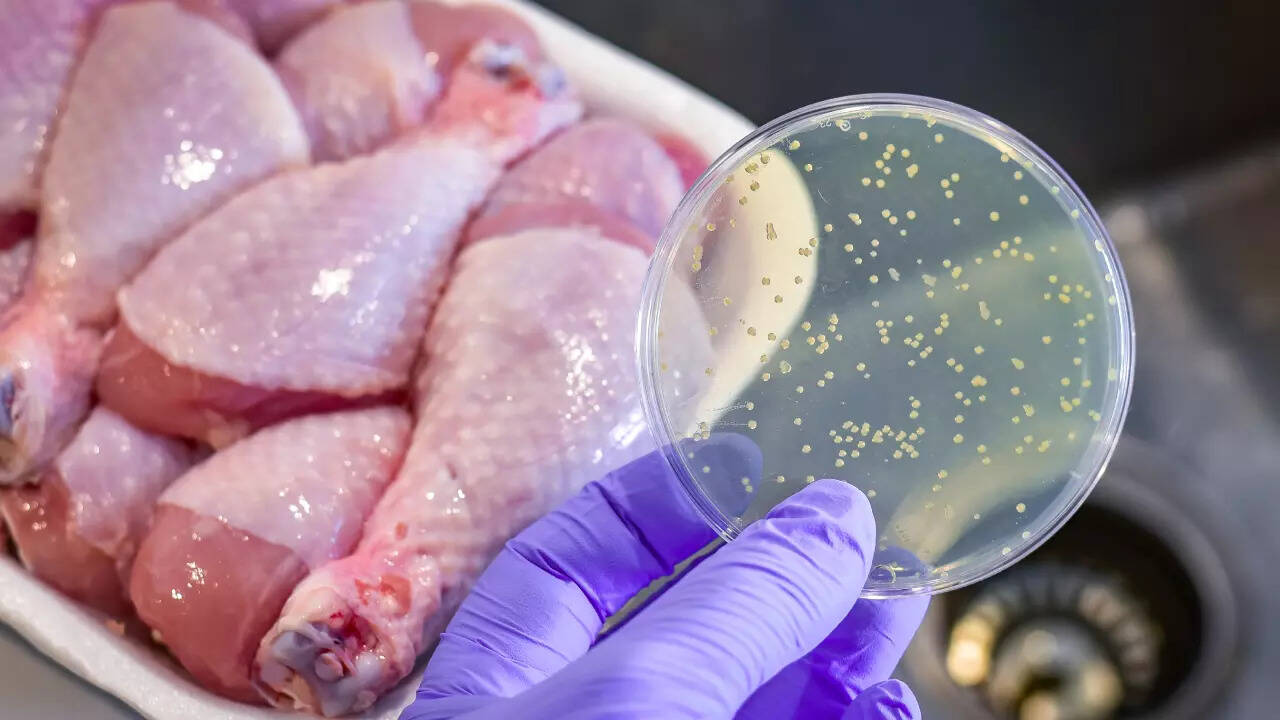
Consuming food contaminated with Listeria can cause listeriosis, a serious infection. Pregnant women, older adults, and those with weakened immune systems are more vulnerable to the infection. “This is because Listeria is more likely to spread beyond their gut to other parts of their body, resulting in a severe condition known as invasive listeriosis,” the CDC says.Symptoms typically start within two weeks after consuming food contaminated with Listeria. However, they may appear as early as the same day or as late as 10 weeks after. Common symptoms include fever, muscle aches, fatigue, headaches, and convulsions. In pregnant women, the infection can cause miscarriages, stillbirths, premature delivery, or life-threatening infection of the newborn.
How to stay safe
Listeria infection is the third leading cause of death from food poisoning in the United States. Foods such as ready-to-eat refrigerated products, unpasteurised (raw) milk, and foods made with unpasteurised milk often pose an increased risk. Taking care of certain things, such as the three listed below, can help prevent infection, according to the US Food and Drug Administration (FDA).
Chill at the right temperature
The right temperatures can slow down the growth of Listeria. So, what’s the right temperature? Ideally, your refrigerator should register at 40°F (4°C) or below, and your freezer at 0°F (-18°C). If your refrigerator does not have electronic digital control, place a thermometer inside and adjust it to the desired temperature.
Do not store ready-to-eat foods for too long
Ready-to-eat foods are convenient, but you must ensure they are not stored for long periods. The longer these quick meals are kept in the refrigerator, the greater the chance for Listeria to grow. Discard any food that smells off or develops unusual flavour or texture due to naturally occurring spoilage bacteria.
Keep the refrigerator clean
Regularly clean your refrigerator. If something spills, wipe it immediately. This step is particularly important, as it prevents Listeria from growing and spreading to other foods. Keep the inside walls and shelves of the refrigerator clean. You can use hot water and a mild liquid dishwashing detergent. Rinse, then dry with a clean cloth or paper towel.Note: The information provided in this article is for educational purposes only and is not intended as medical advice. Always consult a healthcare professional before starting any new medication or treatment.