In 1740, during a winter tempest off the English coast, the Dutch East India Company (VOC) merchant ship Rooswijk sank with the crew and cargo in a wreck that has now been found nearly 280 years later by Historic England and the Cultural Heritage Agency of the Netherlands (RCE). Researchers discovered an incredible treasure trove of historical artefacts – including rare silver coins and human remains. Archaeologists even found what they refer to as ‘silver bones,’ which testify to the chemical change of the body’s bones that occurred as a result of long-term contact with silver bullion.
In 1740, Rooswijk sank off the coast of England
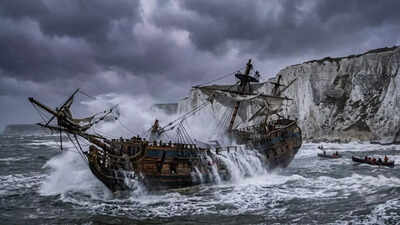
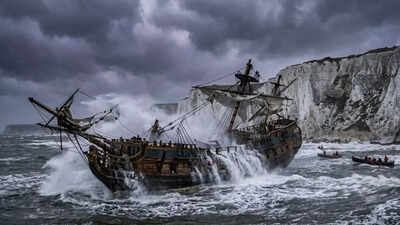
It’s important to understand the full background about the high-stakes history of the ship’s final moments before understanding what was found.The VOC ship Rooswijk began its last journey on 1 January 1740, when it departed from the Netherlands for Batavia (now Jakarta), carrying a cargo of silver bars and coins worth hundreds of thousands of guilders (valued at millions of pounds today) and 237 people. Less than 24 hours after beginning the journey, on 2 January, the Rooswijk sailed into the ‘Great Ship Swallower,’ the dangerous Goodwin Sands off the coast of England’s Kent County, during a terrible winter storm. None of the 237 people on board survived the accident.The ship sank and became buried by the constantly shifting sands of the Goodwin Sands, and was thus almost perfectly preserved for almost 280 years.
Archaeologists found ‘silver bones’
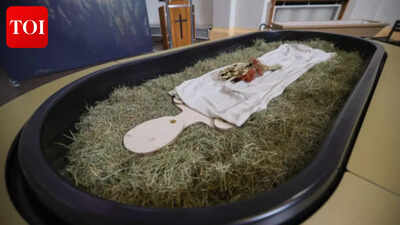
Archaeologists have discovered the remains of humans whose bodies have taken on a silver-plated appearance.The reason behind, the bodies were buried with chests of valuable silver coins, which created an environment conducive to this reaction. Silver oxidises in salt water; when this happened over the course of centuries, it caused the chemical leaching of silver into the bone structure and caused it to take on a metallic colouring.Using isotope analysis, researchers are now attempting to identify where each person came from. It appears that many of these individuals were not Dutch; they were more likely to be European mercenaries.
A 280-year-old secret has been uncovered
A team of divers recovered a small wooden chest that remains tightly sealed. The contents of this trunk may differ significantly from those inside large, government-owned silver trunks. Small trunks such as these were made for the private use of one (or more) crew members who had their own business dealings within the area.Archaeologists have turned to X-ray technology (CT scanning) to assess the fragile condition of the wood without opening up the trunk. Its contents may include letters written by persons unknown, jewellery, and possibly ‘illegal’ trade items obtained from private transactions.
Why this shipwreck is a global treasure
The ‘pillar dollars’ aboard the Rooswijk were evidence of an early global economy. The wreck remains vulnerable due to sand movement and illegal ‘souvenir’ diving. The ongoing project by Historic England is a race against time to safeguard it from the ocean’s deterioration.